
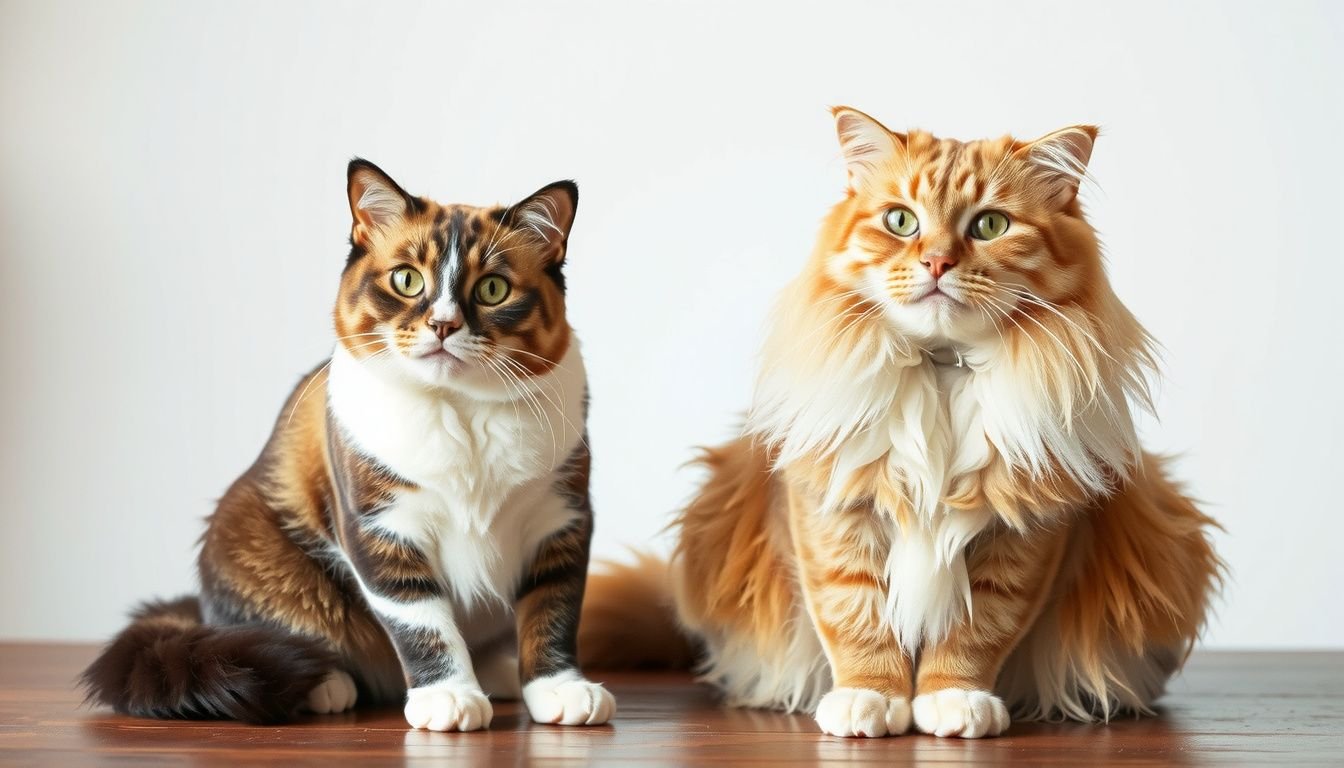
Ever wondered, “do cats care for their owners?” You’re not alone. While dogs earn a reputation for loyalty, cats are often labeled aloof or independent. But the truth about feline affection is far more nuanced and fascinating.
As an animal behavior specialist with years of hands-on experience, I’ll guide you through the subtle, science-backed ways cats express attachment—and how your habits can deepen that bond. Ready to decode your cat’s mysterious signals and build a better relationship? Let’s get started.
- Attachment: Cats form emotional bonds, though often in subtle ways.
- Affection Signs: Purring, head-butting, slow blinking, following you.
- Science: Studies confirm cats recognize and prefer their owners.
- Common Myth: Aloofness doesn’t mean indifference—it’s a different style of connection.
- Action: Positive interaction strengthens your cat’s trust and affection.
Do Cats Care for Their Owners? Setting Expectations
Let’s set the record straight: cats do care for their owners, but their way of showing it isn’t always obvious. Unlike dogs, cats evolved as solitary hunters. That means their social signals are naturally more subtle and complex.
Expecting a cat to greet you with tail-wagging enthusiasm will only leave you disappointed.
Look for quieter gestures—your cat might simply sit nearby, follow you from room to room, or bring you a “gift.” These behaviors are your cat’s unique way of saying you matter. If you understand and respect these differences, you’ll see that care and affection are definitely there, just on feline terms.
How Cats Show Affection Towards You
Your cat’s affection may not be loud, but it’s sincere. Here’s how you can spot it:
- Purring: Often a sign of comfort and trust, especially when your cat seeks your lap.
- Head-Butting (Bunting): A way of marking you as “safe” and part of their social group.
- Slow Blinking: This relaxed gesture is a feline “I love you.” Try blinking slowly back!
- Following You: Sticking close, even silently, signals attachment.
- Grooming or Kneading: Mimics kittenhood comfort, reserved for those they trust most.
Pay attention to these signals—they’re proof that your cat does care, even if it looks different from what you’re used to with other pets.
The Science Behind Feline Attachment
Modern research busts the myth of the “indifferent cat.” Studies show cats recognize their owner’s voice and even display separation distress. In 2019, Oregon State University found that about 65% of cats form secure attachments to their owners—similar to dogs and even human infants.
Cats use social referencing—watching your reactions to gauge how they should respond to new things. They also show preference for their owner’s scent, voice, and presence over strangers. These scientific findings confirm that your bond is real, not imagined.
One practical example: If your cat comes to you when startled or stressed, they see you as a safe base.
Recognizing Subtle Signs Your Cat Cares
Sometimes the strongest signs are easy to miss. Here’s what to watch for:
- Tail Position: An upright tail often signals happiness when you’re near.
- Sitting Nearby (Not On You): Proximity is a compliment in cat language.
- Bringing “Gifts”: Yes, even those unwelcome mice or toys are tokens of affection.
- Vocalizations: Chirps, trills, or soft meows can be conversational and affectionate.
Don’t overlook these understated cues. If your cat chooses to be in your space, that’s a big deal in their world.
Common Misconceptions About Cat Behavior
It’s easy to misinterpret what your cat is trying to tell you. Here are a few myths:
- “Cats are antisocial.” Many are just cautious or slow to warm up.
- “My cat ignores me.” They might simply show affection differently—watch for the subtle tail or blink.
- “All cats are independent.” Some breeds and individuals are downright needy.
Understanding your cat’s natural instincts and communication style helps prevent frustration on both sides—and lets you appreciate their unique love language.
How Your Actions Influence Your Cat’s Bond
Your behavior shapes your cat’s trust and attachment. Cats respond to consistency, calm energy, and respectful interactions.
- Respect boundaries—never force cuddles or handling.
- Use positive reinforcement for desired behaviors.
- Play and feed on a routine schedule to build reliability.
- Engage with toys and interactive play to stimulate bonding.
A real-world example: If you greet your cat quietly and let them approach on their terms, they’ll likely seek you out more often. Your patience directly influences your cat’s willingness to connect.
Strengthening Your Relationship With Your Cat
Want a closer bond? Try these strategies:
- Interactive Play: Wand toys or laser pointers are great for building trust.
- Grooming Sessions: Many cats enjoy gentle brushing, which mimics social grooming.
- Respect Alone Time: Give your cat a safe space to retreat when needed.
- Positive Attention: Reward affectionate behavior with treats or gentle petting.
Consistency is key. The more positive experiences you share, the stronger your relationship will become over time.
When to Worry: Signs of Distress or Indifference
Sometimes, a cat’s withdrawal signals something’s wrong. Watch for:
- Sudden Hiding: If your usually social cat disappears, check for stress or illness.
- Aggression or Avoidance: These can indicate fear, pain, or a broken bond.
- Change in Eating or Grooming: These are classic signs of distress.
If you notice these symptoms, consult your veterinarian to rule out medical issues. Emotional health matters as much as physical well-being.
What Readers Ask
Do cats recognize their owners?
Yes. Cats can recognize your voice, scent, and appearance, often showing preference for you over strangers—especially if you’ve formed a positive bond.
Why does my cat follow me everywhere?
Following you is a strong sign of attachment. Your cat feels safe with you and wants to be part of your daily activities, even if just from a distance.
Can cats miss their owners?
Cats may show signs of missing you, like searching for you or acting withdrawn when you’re gone. Securely attached cats can experience separation distress.
How can I tell if my cat loves me?
Look for purring, head-butting, slow blinking, and your cat choosing to spend time near you. These are all classic signs of feline affection.
The Bottom Line
So, do cats care for their owners? Absolutely—but in their own unique, sometimes understated ways. By learning your cat’s signals and responding with patience and respect, you’ll unlock a deeper, more rewarding relationship.
Keep observing, keep engaging, and you’ll discover just how much your cat values you. The result? A happier, more connected feline friend at your side.
- 60-Second Recap
- Cats care for their owners, but show it subtly.
- Affection includes purring, following, slow blinking, and gentle head-butts.
- Science confirms cats form real attachments.
- Your behavior and patience shape your bond.
- Look for subtle signs; respond with positive attention and respect.