
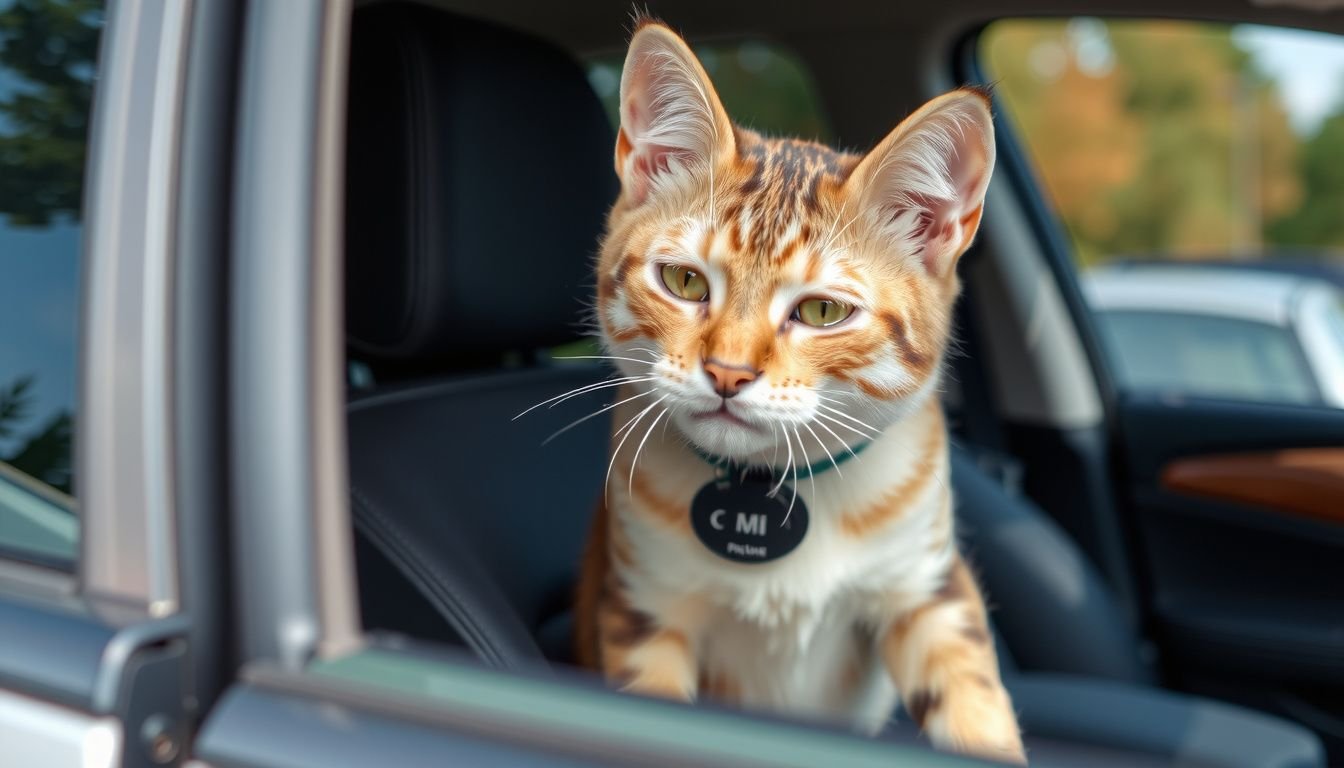
If you’re searching for how to calm cat down in car, you’re not alone. Many cats panic during car rides, turning travel into a stressful ordeal for both of you. The key is understanding your cat’s unique triggers and preparing ahead—so you can transform trips from frantic to manageable.
Look, with a little planning, even the most anxious feline can learn to travel peacefully. Picture this: a once-frantic rescue cat named Luna, who used to yowl nonstop, now naps quietly in her carrier after just a few sessions of gentle acclimation and the right setup. You can get there too.
Here’s your step-by-step plan to ease your cat’s nerves and make car journeys smoother for everyone.
Understand Why Cats Get Stressed in the Car
Cats are creatures of habit, and a car ride disrupts their safe routine. Unfamiliar sounds, vibrations, scents, and motion all spike anxiety. Your cat may associate car trips with negative experiences—like vet visits or loud noises—which amplifies stress.
Recognizing these triggers is your first step toward a calmer ride.
Common signs of stress include:
- Vocalizing or yowling
- Panting or drooling
- Hiding or shaking
- Attempting to escape the carrier
Understanding your cat’s signals helps you intervene early and adjust your approach. Remember, each cat’s stress response is unique. Pay attention and tailor your routine accordingly.
Gather Essential Supplies Before You Start
Preparation is your best friend. Before your trip, collect everything your cat will need for comfort and safety. Here’s a quick checklist:
- Sturdy, well-ventilated carrier
- Favorite blanket or towel
- Familiar toy or item with your scent
- Calming sprays or pheromone wipes
- Portable water bowl and a small amount of food
- Waste bags and cleaning wipes
Having these on hand keeps you ready for anything. A well-stocked “cat travel kit” can prevent minor mishaps from becoming major disruptions.
Prepare Your Cat with Gradual Car Introduction
Don’t spring the car ride on your cat out of nowhere. Help them adjust step-by-step. Start by letting your cat explore the carrier at home, rewarding calm behavior with treats.
Once they’re comfortable, place the carrier in the car—without starting the engine. Let your cat get used to the space and smells.
Next, try short rides around the block. Gradually increase the trip length as your cat relaxes. Repeat sessions over several days or weeks—patience pays off.
This approach works wonders for anxious cats, as seen with Luna, who went from terrified to tolerant using these slow, steady introductions.
Choose and Set Up a Comfortable Carrier
The right carrier can make all the difference. Opt for a hard-sided or sturdy soft-sided model that’s roomy enough for your cat to turn around but not so large they slide inside. Secure the carrier with a seatbelt in the back seat for maximum safety.
Line the carrier with a familiar blanket or towel. Place a favorite toy inside. Cover the carrier with a light cloth to reduce overstimulation from passing sights and lights.
Never transport your cat loose in the car—it’s unsafe and increases anxiety.
Use Calming Aids and Familiar Scents
Tap into your cat’s strongest sense—smell. Use feline pheromone sprays or wipes inside the carrier to mimic natural calming signals. Bring an item that smells like home, such as a worn t-shirt or your cat’s bed.
Some cats benefit from calming treats or supplements (always consult your vet first). For especially nervous cats, consider herbal remedies or prescription anti-anxiety medications as a last resort. Test any new aid in advance to monitor for side effects.
Plan Breaks and Monitor Your Cat’s Comfort
If your trip will be longer than an hour, plan to stop every 1–2 hours. Park in a quiet, shaded spot. Offer water and check your cat’s carrier for signs of soiling or distress.
Don’t open the carrier in unsecured areas—your cat could bolt.
Watch for panting, drooling, or excessive vocalizing. These may signal overheating or severe anxiety. Adjust the car’s climate control and limit loud music or conversation.
A calm environment helps your cat stay relaxed.
Handle Emergencies and Unplanned Stress
Despite your best efforts, things can go wrong. Always carry your vet’s number, a first-aid kit, and proof of vaccinations. If your cat vomits or soils the carrier, pull over safely and clean up using your travel kit supplies.
If your cat appears disoriented, overheated, or unresponsive, seek veterinary help immediately. Having a plan for emergencies gives you peace of mind—and helps your cat stay safe.
Reward Calm Behavior After the Trip
Positive reinforcement cements good experiences. When you arrive, offer your cat a favorite treat or extra playtime in a safe, quiet room. Praise calm behavior with your voice and gentle petting.
Consistently rewarding your cat after trips helps them associate car rides with pleasant outcomes, not just stress. This is how Luna learned that every journey ended with new toys and tasty treats, making future rides easier for both of you.
People Also Ask
How long can a cat safely stay in a car carrier?
Most cats can handle up to 6 hours with breaks every 1–2 hours for water and comfort. For longer journeys, plan more frequent stops and monitor for stress.
Should I feed my cat before a car ride?
Feed your cat a small meal 3–4 hours before travel. Avoid heavy meals right before the trip to reduce the risk of nausea or vomiting.
Can I let my cat out of the carrier during a car trip?
No. Always keep your cat secured in their carrier. Loose cats can distract the driver and are at risk if there’s an accident or sudden stop.
Do calming pheromone sprays really work?
Many cats respond well to synthetic pheromone sprays, which can reduce anxiety. Test the spray at home first to gauge your cat’s reaction.
What if my cat continues to panic despite preparation?
If your cat remains highly stressed, consult your veterinarian. They may suggest medication or refer you to a feline behaviorist for specialized guidance.
Start Here
Now you know exactly how to calm cat down in car—from prepping supplies and proper carrier setup to gradual exposure and rewarding good behavior. Start small, stay consistent, and always monitor your cat’s comfort. Each positive trip builds your cat’s confidence for the next.
Ready to try? Gather your essentials, set up your carrier, and ease into your first short ride. With patience, you’ll soon have a calmer, happier travel companion by your side.