
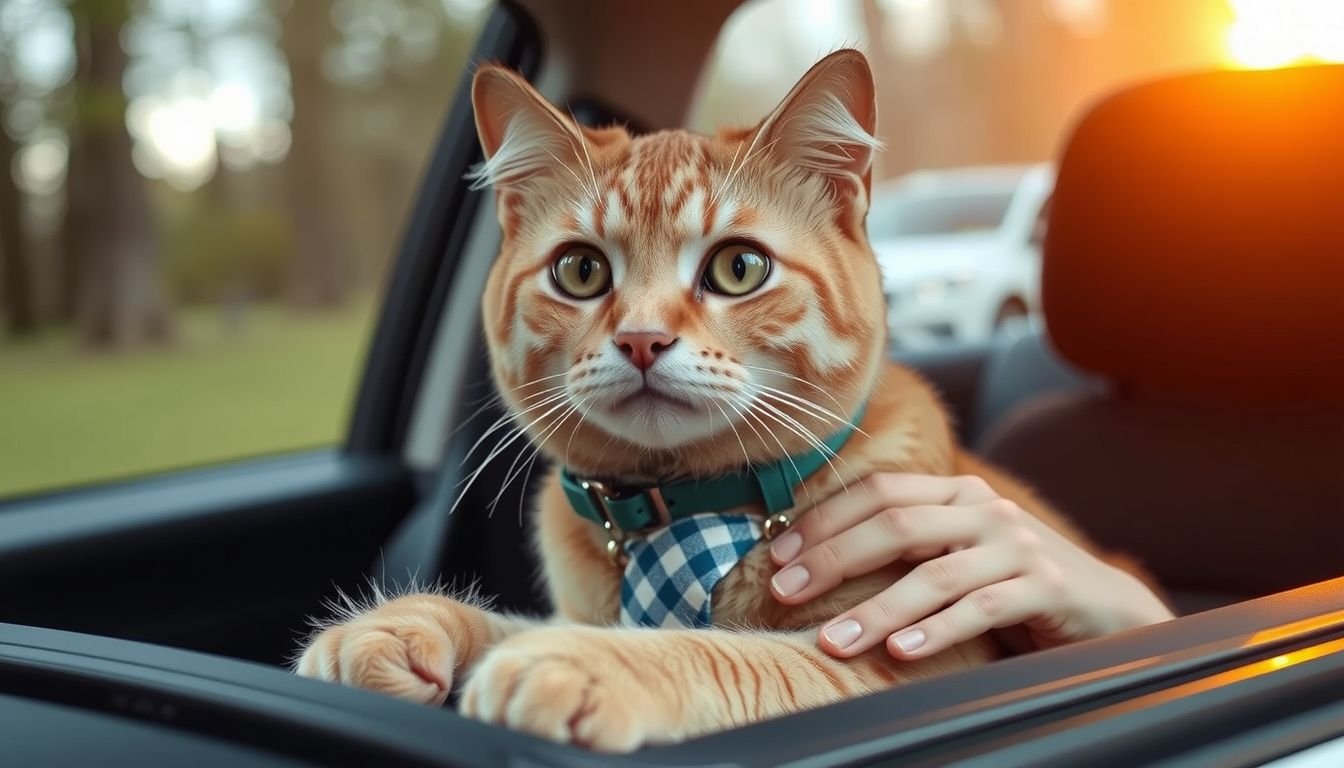
If you’re searching for how to calm a cat in the car, you’re likely bracing for more than just a bumpy ride. Cats are creatures of habit, and even a short car trip can trigger trembling, yowling, or attempts to escape. Whether it’s a vet visit or a cross-country move, preparation is your best friend.
Look, you can absolutely make this less stressful—for both of you. With the right planning, smart carrier choices, and proactive soothing, you’ll turn a dreaded drive into a manageable journey. Let’s break down every step, with practical tips and a real-world example, so your cat—and your nerves—arrive intact.
Gather Essential Supplies Before You Start
Before you even think about the ignition, gather everything your cat will need. This isn’t a quick grab-and-go; the right supplies set the tone for a smoother experience.
- Carrier: Choose sturdy, well-ventilated, and escape-proof.
- Blanket or Towel: Soft, familiar-smelling bedding is a must.
- Pheromone Spray: Synthetic feline pheromones (like Feliway) can help relax your cat.
- Treats and Favorite Toys: These offer comfort and distraction.
- Water and Portable Bowl: For longer trips, hydration matters.
- Cleaning Wipes or Liners: Accidents can happen.
Lay these out the night before so you’re not scrambling. A little forethought—like bringing a roll of paper towels—can prevent serious headaches if your cat gets carsick or anxious. Trust me, you’ll thank yourself later.
Prepare Your Cat for Car Travel Early
The earlier you introduce your cat to travel, the better the outcome. Start well before the actual trip if possible. Here’s a step-by-step approach:
- Let your cat explore the carrier at home, leaving it open with treats inside.
- Practice closing the carrier for short periods, gradually increasing the time.
- Carry the cat in the carrier around your house, then to the car—without starting the engine.
- Next, take short drives (2-5 minutes) and reward calm behavior with treats.
Repeat this process several times over a few days or weeks. Real example: A client’s skittish tabby, Max, went from hiding at the sound of jingling keys to calmly riding to the vet after two weeks of gentle practice and lots of treats.
Choose and Set Up the Right Carrier
The carrier is your cat’s safe zone. Pick one that’s sturdy, well-ventilated, and just large enough for your cat to turn around—too much space can make them feel insecure. Hard-sided carriers offer the most protection for anxious cats.
- Line the carrier with your cat’s favorite blanket or an item that smells like home.
- Spray the inside with calming pheromones 15 minutes before use.
- Secure the carrier in the back seat using the seatbelt—this prevents sliding and sudden movement.
Don’t open the carrier in the car unless absolutely necessary. A frightened cat can bolt in an instant, turning a stressful drive into a dangerous ordeal.
Create a Comfortable Environment Inside the Car
Now, focus on the car’s setup. Keep the environment as calm and predictable as possible:
- Temperature: Maintain a comfortable, moderate climate—avoid blasting heat or AC.
- Noise: Lower the radio and avoid sudden loud sounds. Soft, classical music or white noise can sometimes help.
- Light: Drape a light towel over part of the carrier to dim bright light and create a den-like feel, but ensure good airflow.
- No Loose Pets: Never let your cat roam the car, even if they seem calm.
Minimize any sharp turns or sudden stops—steady driving really does make a difference. Even small changes, like talking softly to your cat, can help them settle.
Introduce Calming Techniques During the Ride
Now that you’re moving, use calming techniques to keep your cat settled. Try these methods:
- Talk Softly: Your voice can reassure your cat.
- Offer Treats: If your cat will eat, small treats can offer distraction and comfort.
- Pheromone Products: Place a pheromone collar on your cat or attach a diffuser to the carrier.
- Touch: If safe, gently stroke your cat through the carrier door.
Some cats respond to calming supplements or herbal remedies—ask your vet for recommendations. Avoid opening the carrier; safety comes first. If your cat is panting, drooling, or vocalizing nonstop, pause and check that all needs are met.
Monitor and Respond to Your Cat’s Stress Signals
Your cat’s body language tells you everything. Watch for these signs of distress:
| Stress Signal | Recommended Response |
|---|---|
| Panting | Check temperature; ensure airflow. |
| Excessive Meowing | Speak calmly; avoid sudden movements. |
| Scratching/Biting Carrier | Do not open carrier; cover partially with a towel. |
If symptoms escalate, pull over safely and assess. Never let your cat out in an unsecured area. Pro tip: Stay calm yourself—your energy transfers to your pet.
End the Journey and Soothe Your Cat After Arrival
Once you’ve arrived, the transition isn’t over. Bring your cat (still in the carrier) into a quiet room and open the door—let them emerge at their own pace.
- Offer water and a small treat.
- Don’t force interaction; let your cat explore when ready.
- Use familiar bedding and toys to create comfort.
If your cat hides, that’s normal—give them time. Reward calm behavior with gentle petting or treats. Within a few hours, most cats will settle back into their routine.
People Also Ask
How do I calm my cat before a car ride?
Let your cat explore the carrier at home, use pheromone sprays, and reward calm behavior with treats. Short practice trips can help desensitize your cat.
Can I use medication to calm my cat in the car?
Ask your veterinarian before using any medication or sedative. Only use prescriptions specifically intended for cats, as some human medicines are toxic to pets.
Is it safe for my cat to travel loose in the car?
No. Always use a secure carrier. Loose cats can distract drivers or escape, leading to dangerous situations for both you and your pet.
How long does it take for a cat to get used to car rides?
It varies. With regular, positive practice, many cats become more comfortable after several short rides over one to three weeks.
Start Here
Ready to tackle your next trip? Start by gathering your supplies and introducing your cat to the carrier well in advance. Practice short rides, monitor your cat’s stress, and use calming techniques as you go.
With patience and planning, you’ll turn a stressful journey into a manageable—and maybe even peaceful—experience for both of you. Your calm, prepared approach is the best way to ensure your cat arrives safe and stress-free.