
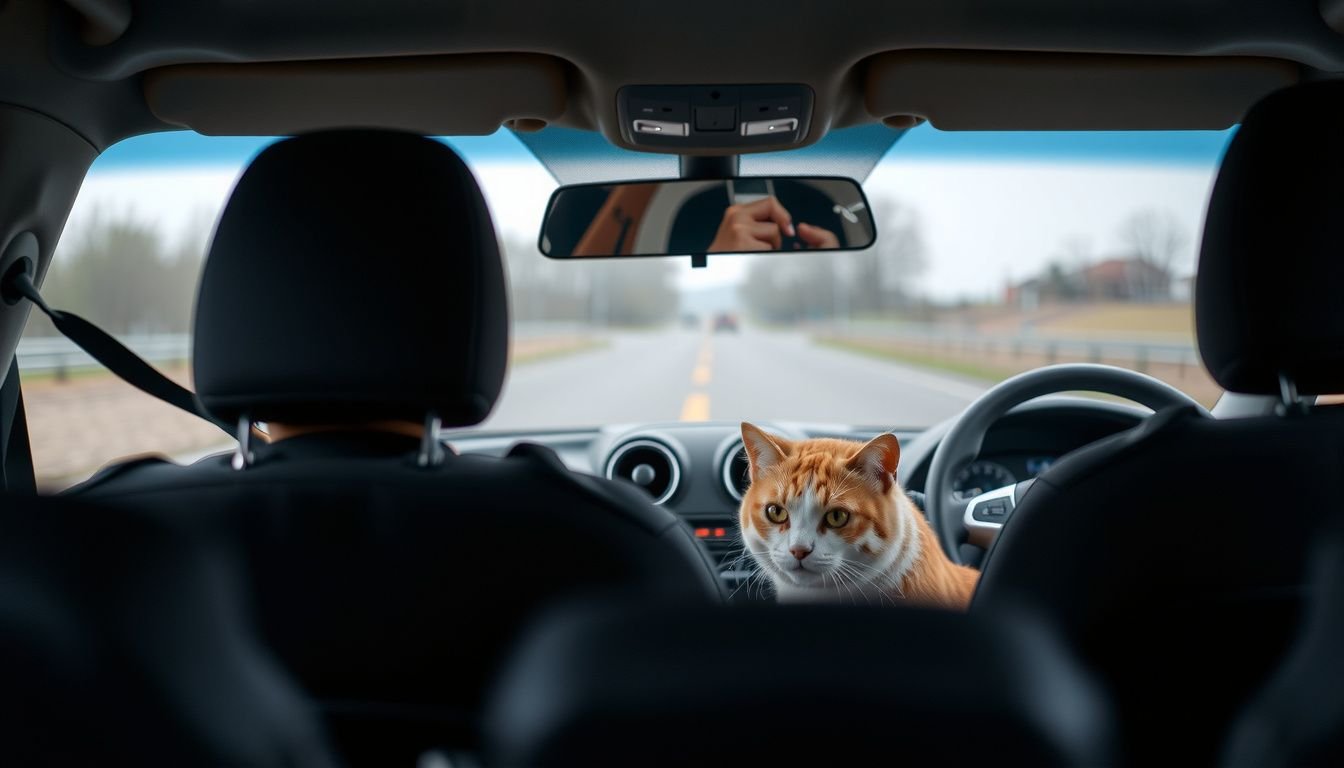
If you’re searching for how to calm a cat down in a car, you’re likely dreading the next car ride with your feline. Cats often associate travel with stress—unfamiliar smells, jostling, and strange sounds. But with the right steps, you can make car trips much easier for both you and your pet.
This guide walks you through actionable strategies to reduce anxiety, build positive associations, and handle every part of the journey like a pro. Imagine being able to drive to the vet or on vacation, and your cat stays calm—no yowling or frantic scratching. That’s not just wishful thinking; it’s possible with the right preparation.
Let’s get you both ready for a smoother ride.
Prepare Your Cat Before the Trip
Start by getting your cat used to the idea of travel long before the actual trip. Schedule a few “practice runs” at home:
- Leave the carrier out in a familiar space so your cat can explore it freely.
- Reward your cat with treats or play sessions near or inside the carrier.
- Simulate the car environment—carry your cat in the carrier around the house or place it on a running washing machine to mimic vibrations.
Take short drives around the block, gradually increasing the duration as your cat adjusts. Look, these mini-exposures help desensitize your cat, making the real trip less scary. Don’t skip this step—it’s the foundation for a peaceful journey.
Choose the Right Carrier for Comfort
Not all carriers are created equal. Select a sturdy, well-ventilated model that’s large enough for your cat to turn around but not so big that they slide during turns. Soft-sided carriers with secure zippers usually offer better comfort and noise dampening.
- Check for secure locking mechanisms—escapes in a moving car are dangerous.
- Place a familiar blanket or a piece of your clothing inside to provide comfort.
- Consider carriers with top-loading and side-loading options for easier handling.
Pro tip: Some carriers come with seatbelt loops or straps for added safety in the car. Investing in the right carrier pays off every time you travel.
Familiarize Your Cat With the Carrier
Place the carrier in your cat’s favorite room days or weeks before your trip. Keep the door open and let your cat enter and exit at will. Sprinkle treats or catnip inside to encourage positive associations.
- Feed your cat near or inside the carrier to reinforce safety and comfort.
- Use toys or a favorite blanket to entice them into spending time inside.
- Never force your cat into the carrier unless absolutely necessary.
One real-world example: A client’s anxious tabby learned to nap in her carrier after a week of treat-based encouragement, making travel day much less stressful for everyone.
Create a Calm Environment Inside the Car
Your car’s interior matters as much as the carrier. Keep the temperature moderate; too hot or too cold increases stress. Place the carrier on the back seat and secure it with a seatbelt or non-slip mat to prevent sliding.
- Cover the carrier with a light towel to block out overstimulating sights.
- Open windows slightly for ventilation, but avoid direct drafts.
Remove any loose items from the seat to avoid sudden noises or falls. The calmer the environment, the better your cat’s chances of staying relaxed.
Use Calming Aids and Techniques
Sometimes natural comfort isn’t enough. For especially anxious cats, you can use calming aids:
- Pheromone sprays or wipes (like Feliway) inside the carrier
- Over-the-counter calming treats or supplements designed for travel
- Prescription medications—consult your vet before use
Try gentle talking or soft music (classical or specially designed pet playlists). Always test new calming aids at home before the trip to monitor your cat’s reaction. Never sedate your cat without veterinary guidance.
Minimize Noise and Distractions
Car noise amplifies feline anxiety. Keep radio volume low and avoid sudden loud music. Silence your phone and minimize conversations during the ride.
- Avoid slamming doors or revving the engine near your cat.
- Drive smoothly—no sharp turns or sudden stops.
If you’re not driving alone, ask your passenger to check on your cat quietly. Every bit of calm helps, so prioritize a peaceful ride over multitasking.
Monitor Your Cat’s Well-Being During the Drive
Keep a close eye on your cat’s behavior. Signs of distress include heavy panting, drooling, or excessive meowing. If possible, check through the carrier’s mesh or window without opening the door.
- Offer water during longer trips, but avoid feeding right before travel to prevent motion sickness.
- Never leave your cat unattended in the car—temperatures can rise or fall quickly.
If your cat seems extremely distressed, consider pulling over for a break. Sometimes a few minutes of stillness can make a big difference.
Handle Arrivals and Exits With Care
When you reach your destination, don’t rush. Let your cat acclimate before opening the carrier. Check that all doors and windows are closed so your cat can’t escape.
- Carry the carrier securely, keeping it level and close to your body.
- Open the carrier only in a safe, enclosed space.
- Allow your cat to exit at their own pace—no pulling or grabbing.
Quick, calm transitions reduce the risk of accidents or bolting. Your patience at this stage pays off in smoother future travels.
Frequently Asked Questions
How long can a cat safely travel in a car?
Cats can travel for several hours if you provide water, breaks, and a comfortable carrier. For trips over 6 hours, plan for rest stops and monitor your cat’s stress closely.
What if my cat gets carsick?
Try withholding food for a few hours before travel. Use a carrier with a washable liner and consult your vet about anti-nausea options if your cat frequently gets carsick.
Is it okay to let my cat roam free in the car?
No. Always keep your cat in a secured carrier. Loose cats can distract drivers and risk injury in an accident or sudden stop.
Can I use human sedatives or calming meds?
Never use human medications on cats. Only use vet-prescribed calming aids, as many human drugs are toxic to felines.
How do I clean up if my cat soils the carrier?
Remove soiled bedding immediately, wipe down the carrier with a pet-safe cleaner, and replace with fresh, familiar bedding. Bring spare towels or liners for longer journeys.
Your Action Plan
Start preparing a week before any car trip. Choose the right carrier, introduce it early, and practice short rides. Pack calming aids, familiar bedding, and water.
On travel day, keep the environment quiet and watch for signs of stress. Handle arrivals patiently. Each calm journey builds trust, making future car rides easier for both you and your cat.
Ready for a smoother, quieter trip? Put these steps into action on your next drive.