
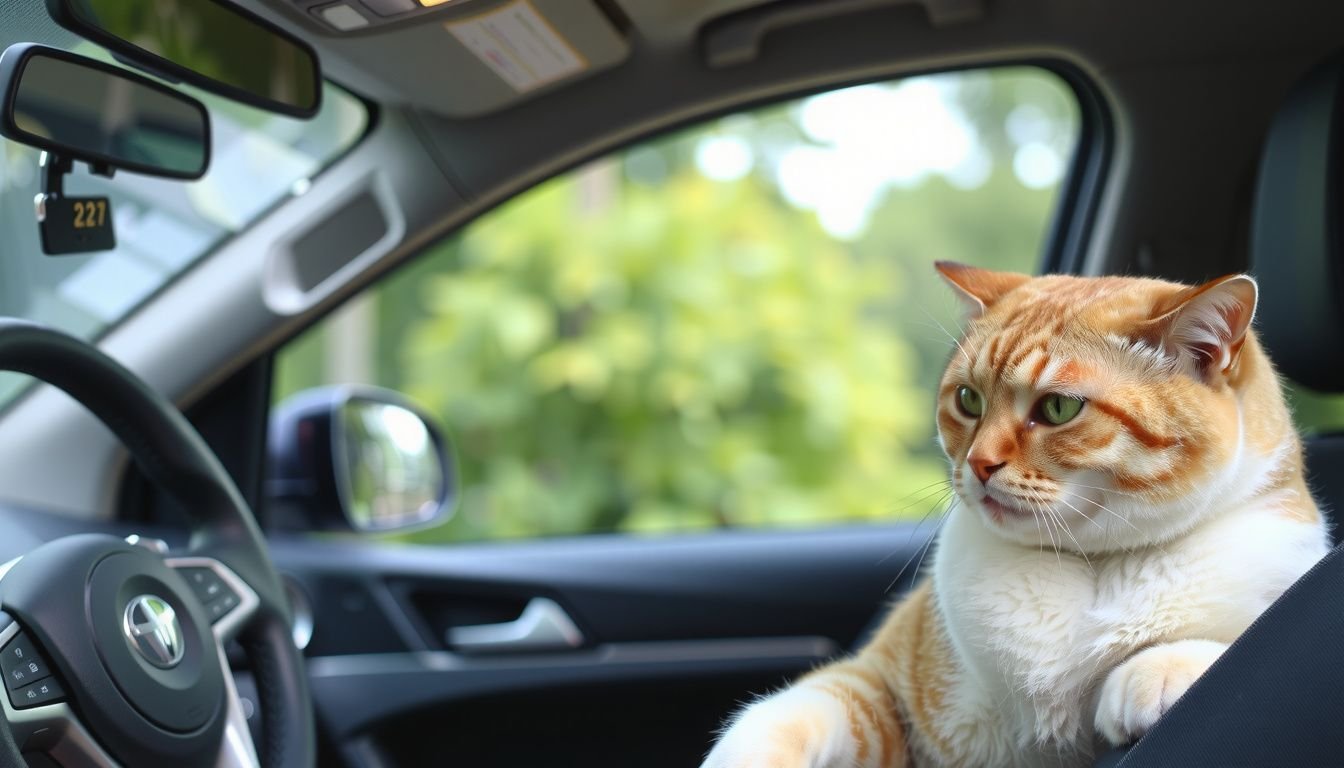
Struggling with how to get cat urine smell out of car? You’re not alone. Cat accidents in vehicles happen more often than you’d think—whether your furry friend had a mishap during a vet trip or a stray marked your parked car.
This odor is stubborn, but you can get your car smelling fresh again with the right approach. Cat urine contains uric acid, which sticks around even after regular cleaning. If you only mask the stink, it’ll come back every time moisture or humidity rises.
The good news? You can banish that smell for good by following a proven process. Here’s your step-by-step plan to reclaim your car’s interior—fast and for good.
Let’s roll up your sleeves and get started.
Gather Supplies and Prepare Your Car for Cleaning
Before you tackle the odor, make sure you have all necessary supplies. You’ll save time and avoid tracking urine deeper into your car’s fabrics.
- Enzymatic cleaner (specifically for pet urine)
- Clean microfiber towels
- Disposable gloves
- Baking soda
- Vacuum cleaner (wet/dry preferred)
- Spray bottle with water
- Plastic scraper or putty knife
Next, park your car in a well-ventilated area and open all the doors. Remove floor mats, seat covers, and any clutter. If possible, take out the seats for thorough access.
Don’t skip this step—odor molecules linger in hidden spots. As an example, one client left a gym bag in the back seat for weeks after a cat accident; the bag reeked even after the car was cleaned. Remove everything possible for best results.
Identify and Treat All Cat Urine Spots
Locating every contaminated spot is vital. Cat urine can soak deeply into fabric, foam, and even seat belt webbing. Use your nose and look for stains or discoloration.
For hard-to-spot areas, a UV flashlight reveals urine as it glows faintly in the dark.
- Inspect seats, floorboards, door panels, and trunk area.
- Mark all affected zones with masking tape.
- Blot fresh urine with paper towels—don’t rub, or you’ll push it deeper.
- For dried stains, gently scrape off any crystals with your plastic scraper.
Once you’ve identified all spots, you’re ready to treat them. Missing even a tiny area can allow the odor to persist. If you’re unsure, err on the side of caution and treat a slightly larger area.
Deep Clean Upholstery and Neutralize Odors
This is where the real magic happens. Start by saturating each urine spot with a generous amount of enzymatic cleaner. These products break down uric acid, unlike regular cleaners.
Let the solution soak for at least 15 minutes—or longer for old stains.
- Apply enzymatic cleaner. Follow label directions for dwell time.
- Blot up excess liquid with clean microfiber towels.
- Sprinkle baking soda over treated areas while still damp. This helps absorb lingering smells.
- Let everything dry completely—ideally overnight with windows open or a fan running.
- Once dry, vacuum up residual baking soda.
Repeat treatment for stubborn areas. Don’t use steam cleaners; heat can set urine proteins, making odors harder to remove. For leather interiors, use a pet-safe leather cleaner instead and avoid saturating the material.
This approach ensures you target the source, not just the symptoms.
Prevent Future Cat Urine Smells in Your Car
Once your car is fresh, keep it that way. Prevention is easier than another deep clean.
- Use waterproof seat covers and pet carriers for future rides.
- Clean up spills or accidents immediately.
- Consider a pet deterrent spray if your cat is prone to marking.
- Keep windows cracked in dry weather to reduce humidity buildup.
- Regularly vacuum upholstery and floor mats.
If you shuttle your cat regularly, line the carrier with puppy pads or washable covers. For chronic marking, consult your vet for behavioral solutions. Prevention saves you hours of work and keeps your vehicle inviting for everyone.
Common Questions
Will air fresheners remove the cat urine smell from my car?
No, air fresheners only mask the odor temporarily. You must use an enzymatic cleaner to break down urine at the source or the smell will return.
Can I use vinegar or baking soda alone?
Vinegar and baking soda help with surface odor, but neither eliminates uric acid. Always follow up with an enzymatic cleaner for lasting results.
What if the smell comes back after cleaning?
It’s likely some urine remains in a hidden spot. Re-inspect with a UV flashlight and retreat any missed areas with enzymatic cleaner and baking soda.
Is it possible to permanently remove the cat urine smell?
Yes, if all affected spots are thoroughly treated. Deep cleaning with enzymatic products is the key to permanent odor removal in cars.
Putting It Into Practice
You’ve learned the essentials of restoring your car after a cat accident. Gather your supplies, identify every urine spot, and use an enzymatic cleaner for deep treatment. Remember, patience is key—let products work and repeat as needed.
Take proactive steps to prevent future mishaps and your car will stay fresh and welcoming. Ready for your next drive? You’ll notice the difference with every breath.