
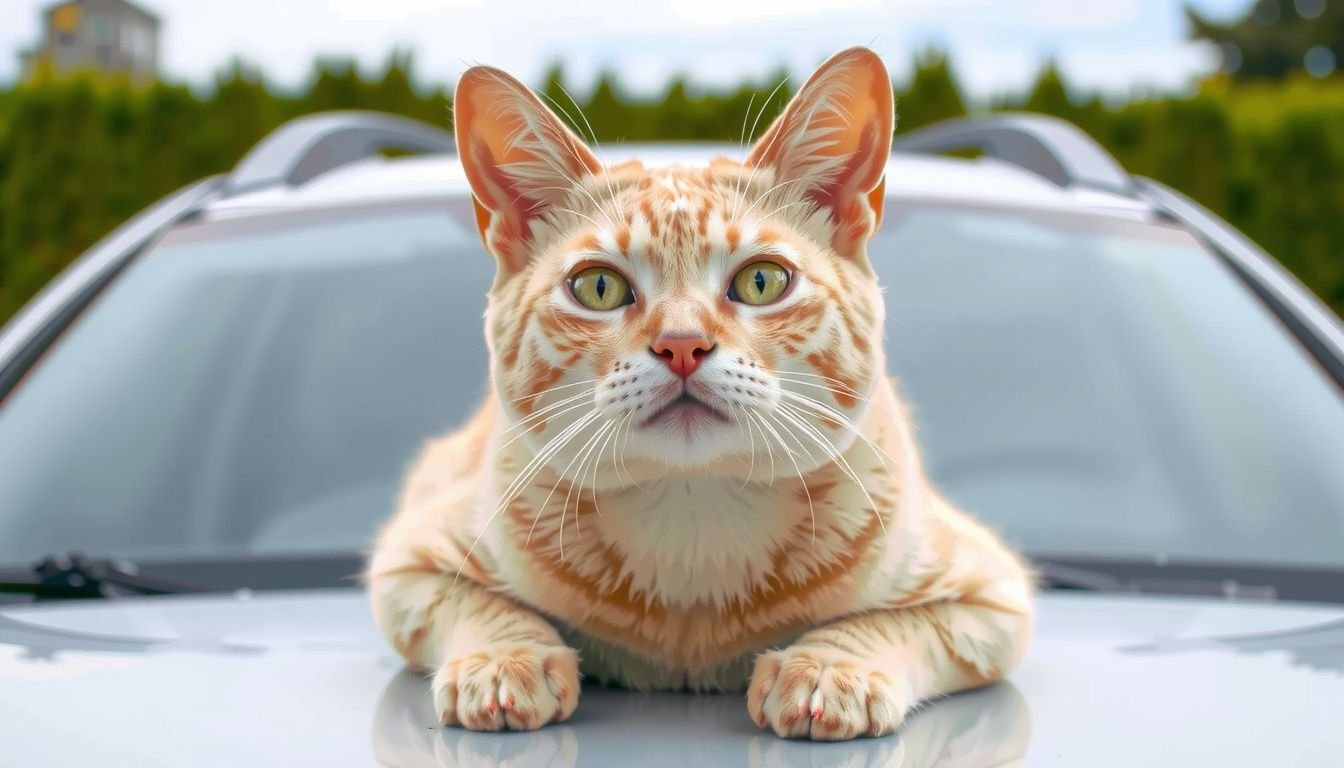
Trying to figure out how to keep cats off of car surfaces? You’re not alone—paw prints, fur, and the occasional scratch can frustrate even the most devoted animal lover. Whether it’s neighborhood cats or your own pet, feline visitors are drawn to warm car hoods and cozy windshields.
If you’re tired of cleaning up after them or worried about paint damage, you need reliable strategies that actually work. Here’s your step-by-step guide to keeping cats away from your car, packed with practical solutions and expert tips. We’ll cover what attracts cats, how to clean up, and exactly which repellents and barriers you should use.
Let’s get your car cat-free—without harming your furry visitors.
Assess Your Situation Before You Start
Before you take action, it’s crucial to understand why and when cats target your car. Are they neighborhood strays or pets from nearby homes? Do they visit at night, during the day, or both?
Pinpointing the pattern helps you tailor your approach.
Check for entry points—open garages, low fences, or overhanging trees can give cats easy access. Inspect your car for signs of regular visits: muddy paw prints, clumps of fur, or scratch marks. Take note of any attractants, such as food scraps or a warm engine after parking.
Pro Tip: Use a motion-activated camera or simply sprinkle a light layer of flour on your hood overnight to reveal fresh paw prints. This confirms when and how frequently cats are visiting, letting you act more strategically.
Clean and Remove Cat Attractants
Cats return to familiar, comfortable spots—especially if they find enticing scents or food. Start by thoroughly washing your car, paying special attention to the hood and roof. Neutralize lingering odors with a diluted vinegar solution or an enzyme cleaner designed for pet messes.
Check the area around your parking spot for anything that might draw cats in, such as open garbage cans, leftover pet food, or piles of leaves that could harbor rodents. Remove these temptations to make your car less appealing.
- Wash your car weekly.
- Keep trash bins tightly closed.
- Remove bird feeders nearby if cats are hunting birds.
Common mistake: Skipping this step. If you don’t eliminate attractants, other deterrents become much less effective.
Apply Effective Cat Deterrents
Several repellents can discourage cats from lounging on your car. Choose the deterrent that fits your environment and preferences:
- Commercial Cat Repellents: Available as sprays or granules, these often use citrus or herbal scents cats dislike.
- DIY Sprays: Mix water with a few drops of citrus oil or vinegar. Lightly mist your car (test on a small area first).
- Ultrasonic Devices: Motion-activated units emit sounds that are unpleasant to cats but inaudible to humans.
Be consistent—reapply sprays after rain or car washes. For a practical example, a neighbor of mine kept finding cats on his convertible each morning. After using a motion-activated ultrasonic deterrent, the nightly visits dropped to zero within a week.
Pro Tip: Rotate repellents every few weeks so cats don’t become accustomed to one scent or sound.
Create Physical Barriers Around Your Car
If deterrents alone aren’t enough, physical barriers add another layer of defense. Covering your car is one of the most effective methods—cats dislike walking on unstable or textured surfaces.
- Car Covers: Use a snug, fitted cover to block cats from direct contact with your paint.
- Obstacle Mats: Place spiked mats (designed for humane animal control) around your car or on the hood. These create an unpleasant but safe surface.
- Parking Adjustments: If possible, park in a garage or under a carport to limit feline access.
Don’t use anything sharp or harmful—safety always comes first. If your parking spot is near a fence or tree, trim branches and block climbing routes to limit access.
Maintain Results and Monitor for Improvements
Once you’ve implemented your plan, regular maintenance keeps cats away for good. Continue cleaning your car and reapplying deterrents as needed—especially after rain or if cats begin to return.
Check for new attractants: a neighbor feeding strays nearby, new garbage sources, or changes in local wildlife behavior can all bring cats back. Stay observant and adjust your strategy as needed.
- Inspect your car and parking area weekly.
- Reapply sprays and refresh mats or covers regularly.
- Update neighbors about your efforts—community cooperation is powerful.
If you see results, don’t get complacent. Cats are persistent, so ongoing prevention is key to long-term success.
People Also Ask
How do I keep stray cats away from my car at night?
Use motion-activated deterrents and a fitted car cover. Remove food sources and keep trash bins closed. Consistency is essential for lasting results.
Are cat repellents safe for car paint?
Most commercial cat repellents are safe, but always test on a small, hidden area first. Avoid products with harsh chemicals or abrasive ingredients.
Will mothballs keep cats off my car?
No—mothballs are toxic to both pets and humans. Never use them as a cat deterrent. Choose safer options like citrus sprays or obstacle mats.
Do ultrasonic cat repellents really work?
Yes, many users report success, especially with motion-activated models. However, some cats may become accustomed, so rotate deterrent methods for best results.
Can I train my own cat to avoid my car?
Yes, consistent redirection works. Use positive reinforcement—reward your cat for staying off the car and provide alternative warm resting spots nearby.
What to Do Now
Now that you know how to keep cats off of car surfaces, it’s time to take action. Start with a thorough inspection and cleaning, remove temptations, and deploy deterrents or barriers that suit your situation. Monitor progress, tweak your approach, and involve your neighbors for even better results.
Remember—patience pays off, and a multi-layered strategy delivers the highest success. Your car’s protection starts today.