
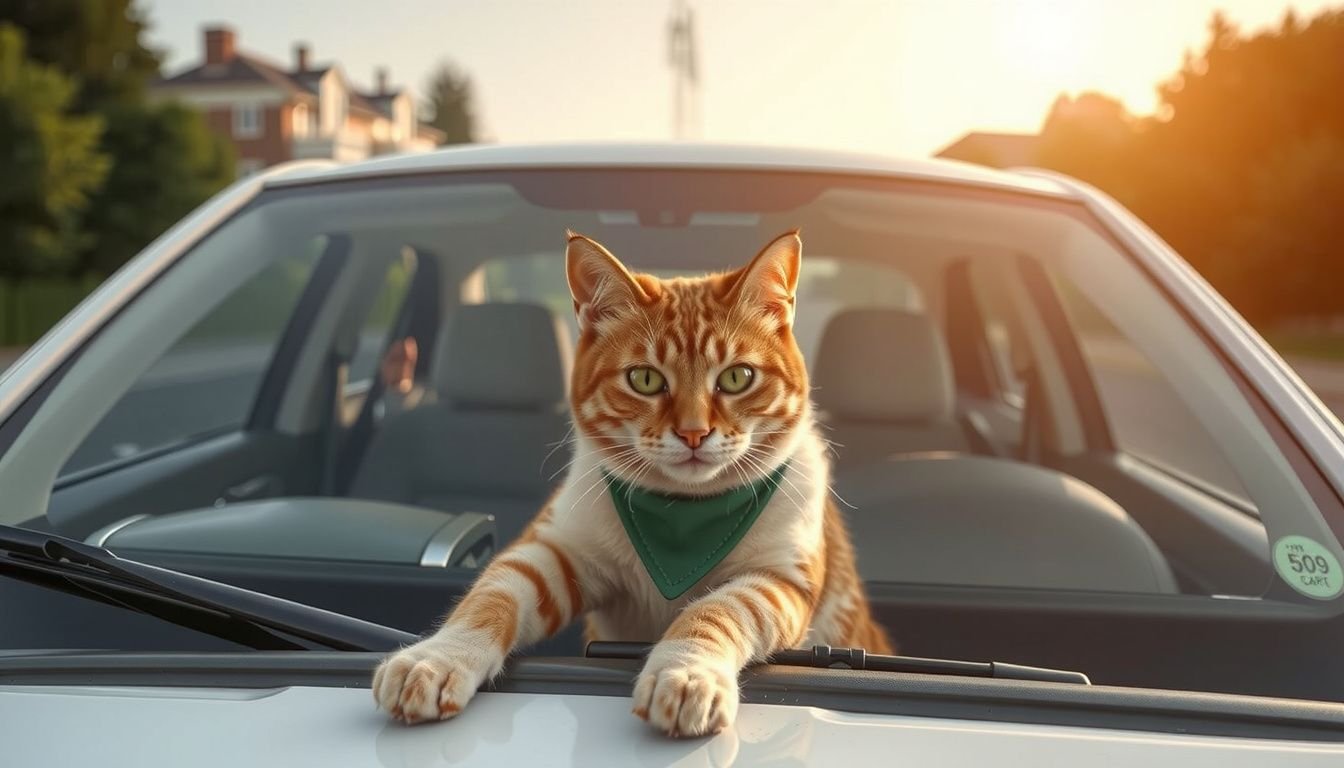
Traveling with your pet can feel daunting, but knowing how to travel with a cat by car changes everything. Whether you’re moving across town or embarking on a longer road trip, preparation is your best friend. Cats are sensitive creatures—sudden changes in environment, unfamiliar sounds, and motion can trigger stress.
If you plan ahead, you’ll minimize anxiety for both you and your feline companion. In this step-by-step guide, you’ll get practical strategies to help your cat feel secure, keep your car clean, and avoid common pitfalls. Imagine this: You’re driving to visit family two states away, and your usually timid tabby is calmly observing the scenery instead of yowling.
That’s not luck—it’s the result of smart preparation. Let’s get started so you can both arrive safe, healthy, and in good spirits.
Gather Essential Supplies Before You Travel
Don’t wait until departure day to assemble your cat’s travel kit. You’ll need more than just a carrier. Create a checklist so nothing gets left behind.
Here’s what to pack:
- Sturdy, well-ventilated carrier (hard-sided preferred for safety)
- Comfortable bedding with familiar scents
- Collapsible food and water bowls
- Favorite toys or a blanket
- Litter box and scoop (compact/travel version)
- Leash and harness (for supervised stops)
- Copies of vaccination records and any medications
- Pet wipes and cleaning supplies for accidents
Double-check your list the night before. Trust me, realizing you forgot the litter scoop at a rest stop isn’t fun.
Introduce Your Cat to the Carrier Early
Don’t spring the carrier on your cat the morning of your trip. Start at least a week ahead—leave the carrier out in your living room, door open, cozy blanket inside. Drop a treat in it daily.
Let your cat explore at their own pace, so the carrier feels like a safe den, not a trap.
If your cat is hesitant, try feeding them meals inside the carrier. Use a few sprays of feline pheromone spray to help them relax. Remember, patience is key.
The more your cat associates the carrier with good things, the less stressful travel day will be.
Prepare Your Cat With Short Practice Drives
Motion can unsettle even the calmest cat. Once your cat’s comfortable in the carrier, take them for a few short drives—just around the block at first. Gradually increase the duration.
Play soft music and keep the car cool and quiet.
Watch your cat’s reactions closely. If you notice drooling, howling, or panting, keep drives short and end on a positive note. A couple of practice runs can make the real trip feel routine, not terrifying.
Pack for Comfort, Safety, and Health
Your cat’s comfort and safety should always come first. Make sure their carrier is large enough for them to stand, turn, and lie down. Place an absorbent pad under the bedding in case of accidents.
- Pack extra towels or bedding—swap them out if they get soiled.
- Bring a small first-aid kit for your cat.
- If your cat has medical needs, double-check you have medications and clear dosing instructions.
Keep your cat’s microchip and ID tags up to date. If you’re crossing state lines, some areas require proof of rabies vaccination. Check regulations in advance.
Secure Your Cat in the Car Properly
Your cat’s carrier should never sit loose on the seat. Secure it using the seatbelt—thread it through the handle or around the carrier, so it won’t slide or tip in a sudden stop.
Never let your cat roam freely in the vehicle. A loose cat can distract you, get underfoot, or escape through a cracked window or open door. If you’re traveling alone, place the carrier where you can see your cat easily—usually the back seat is safest.
Pro tip: Cover part of the carrier with a light towel to reduce visual stimuli and help your cat relax.
Manage Food, Water, and Litter Needs On the Road
Feed your cat a light meal a few hours before departure—traveling on a full stomach can cause nausea. For drives longer than six hours, offer small amounts of water and food at rest stops. Many cats won’t eat or drink much while moving, so monitor but don’t force it.
Set up a travel litter box during longer breaks. Disposable litter trays work wonders. Always secure the car and use a harness if your cat needs out of the carrier.
Clean up promptly to keep your car fresh.
Handle Stops and Emergencies Calmly
Every stop is a potential escape risk. Before opening doors, double-check that the carrier is securely closed and your cat is wearing a harness with ID tags. If you need to let your cat out for a stretch, do so inside the car or in a secure, enclosed area.
Bring a list of emergency vet clinics along your route. In case of vomiting, diarrhea, or signs of distress, pull over safely and assess. Having cleaning supplies, extra towels, and contact info for a vet can turn a stressful moment into a manageable one.
Settle Your Cat Safely at Your Destination
Once you arrive, give your cat time to adjust. Set up a quiet room with their litter box, food, water, and familiar bedding. Open the carrier and let them come out on their own terms—don’t rush this step.
Keep doors and windows closed. Let your cat explore gradually, starting with one room. This helps them feel safe and prevents accidental escapes.
Within a few hours or days, most cats adapt surprisingly well to new surroundings.
Common Questions
How do I calm my cat during a car ride?
Use familiar bedding, pheromone sprays, and cover the carrier partially. Talk softly and keep the car quiet. Practice drives help, too.
Can my cat travel without a carrier?
No. For your cat’s safety and your own, always use a secure carrier. Free-roaming cats in cars can cause accidents or escape.
How often should I stop on a long trip?
Stop every 3-4 hours to check on your cat, offer water, and clean the litter box if needed. Keep stops brief and carriers secure.
What if my cat gets carsick?
Feed lightly before travel, keep the car cool, and talk to your vet about anti-nausea solutions if your cat is prone to motion sickness.
Next Steps
Now you’re ready to put your plan into action. Gather supplies, start carrier training, and schedule a few practice drives. Prepare for comfort and safety—your cat will thank you!
Each trip you take will get easier, and soon you’ll both travel with confidence. If you run into challenges, revisit these steps or consult your vet for extra support. Safe travels to you and your feline friend.