
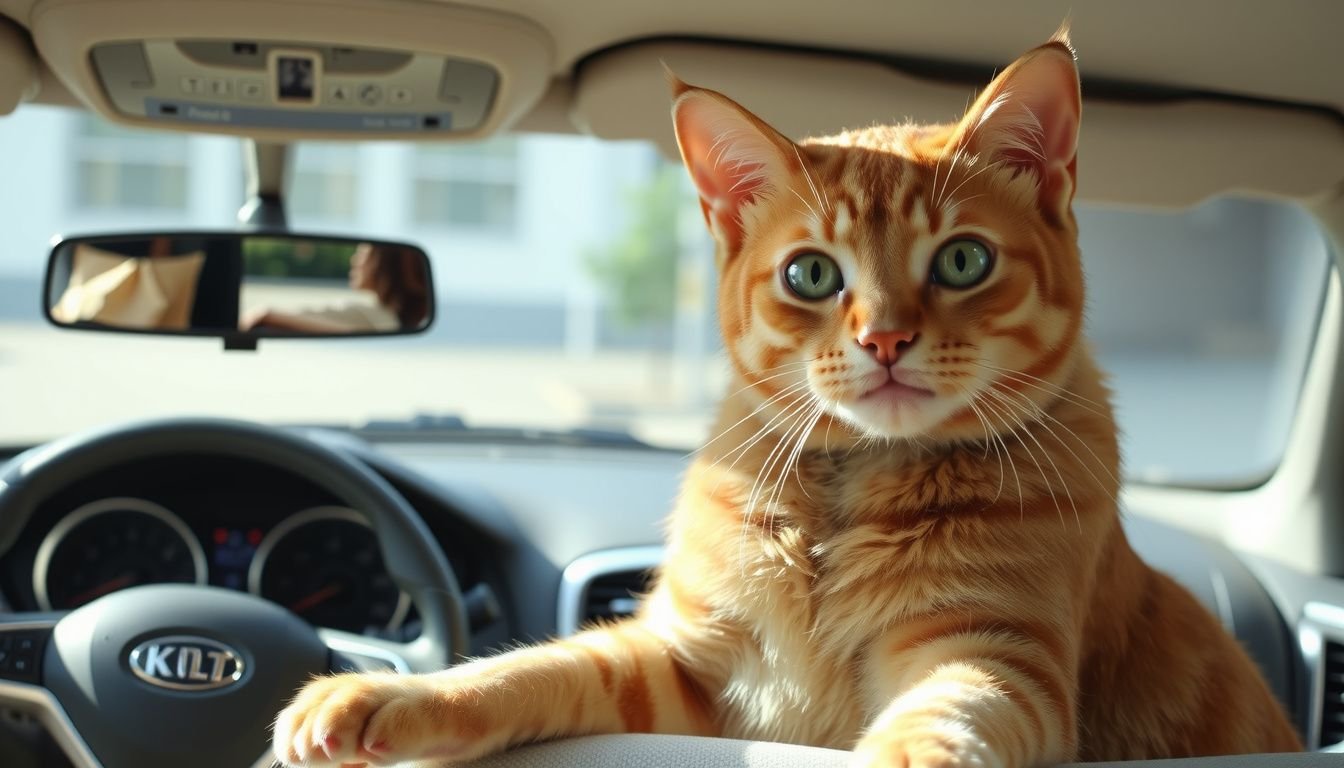
Wondering what are cats in cars and why it matters for your feline friend? Traveling with your cat may seem daunting, but it’s a part of life for many pet owners—whether you’re heading to the vet, moving to a new home, or taking a road trip. As someone who’s helped countless pet parents navigate the unique challenges of car travel with cats, I can tell you: preparation makes all the difference.
In the next few minutes, you’ll learn how cats react to car rides, what you can do to keep them safe, and practical steps to make every journey easier. Ready to make travel less stressful for both you and your cat? Let’s get started.
- Most cats dislike car travel due to unfamiliar motion and sounds.
- Proper carriers and safety gear are essential for secure transport.
- Gradual acclimation can reduce anxiety and motion sickness.
- Never let your cat roam loose in a moving vehicle.
What Are Cats in Cars: Definition and Context
When people ask, “what are cats in cars,” they’re referring to the practice—and challenges—of transporting cats by automobile. Unlike dogs, most cats aren’t natural travelers. Their instincts tell them to avoid unfamiliar environments, and the sights, sounds, and smells of a car can be overwhelming.
Whether you’re taking your cat to the vet, relocating, or hitting the road for vacation, every trip requires careful planning. Understanding your cat’s needs and reactions is the key to a safe journey. The right approach helps prevent trauma, escape, or injury during transport.
Why You Might Need to Travel With Your Cat
You’ll likely need to bring your cat in the car at some point. The most common reasons include:
- Vet visits: Routine check-ups, vaccinations, or emergencies.
- Moving homes: Cats relocate with their families.
- Vacations or long trips: Sometimes, boarding isn’t an option.
- Grooming appointments: Especially for long-haired breeds.
Even if you’re a homebody, preparing your cat for car travel is a smart move. Life’s unpredictable—you’ll thank yourself when the need arises.
How Cats Typically React to Car Rides
Most cats experience anxiety in cars. Common reactions include:
- Vocalizing loudly (meowing, yowling)
- Panting or drooling
- Urinating or defecating from stress
- Attempting to escape their carrier
Some cats become withdrawn and freeze, while others become hyper-alert. Kittens acclimated early may tolerate rides better, but even they can have bad days. Don’t take agitation personally—it’s a natural response to a new and unpredictable environment.
Preparing Your Cat for a Car Journey
Preparation is everything. Here’s how to set your cat up for a smoother car ride:
- Carrier training: Introduce the carrier as a safe space at home. Leave it open with cozy bedding and treats inside for several days.
- Short practice trips: Start with five-minute drives around the block. Gradually increase duration as your cat gets used to the experience.
- Familiar items: Bring a favorite blanket or toy to provide comfort and familiar scents.
Consistency makes these steps more effective. A real-world example: One client placed her cat’s carrier near their food bowl for a week, then rewarded calm behavior inside the carrier before any car journey. The difference was remarkable—less stress for both cat and owner.
Essential Safety Measures for Cats in Cars
Safety is non-negotiable. Follow these measures every time you travel:
- Always use a secure carrier—never let your cat roam free in the vehicle.
- Position the carrier on the back seat, secured with a seatbelt if possible.
- Keep windows closed or only slightly cracked to prevent escapes.
- Never leave your cat unattended in a parked car, especially in hot or cold weather.
- Carry updated ID tags and microchip information.
These precautions protect not just your cat, but everyone in the car.
Tips to Reduce Stress for Your Cat While Traveling
To minimize your cat’s anxiety, try these proven methods:
- Cover the carrier with a light towel to block visual stimuli.
- Play soft, calming music at low volume.
- Use feline pheromone sprays (like Feliway) inside the carrier.
- Avoid feeding your cat right before travel to reduce nausea and motion sickness risk.
- Speak calmly and avoid sudden movements.
Each cat’s needs are unique. Pay attention to what soothes yours most effectively.
Common Challenges and How to Overcome Them
Cats in cars can present several challenges. Here’s how you can handle the most frequent ones:
| Challenge | Solution |
|---|---|
| Refusing the carrier | Gradual introduction, treats, and positive reinforcement. |
| Motion sickness | Limit food before travel, drive smoothly, consult your vet about medications. |
| Excessive meowing | Use pheromones, cover the carrier, try short practice trips. |
| Accidents in carrier | Line with absorbent pads. Clean promptly. Bring cleaning supplies. |
With patience and practice, both you and your cat will adapt to car travel’s demands.
Frequently Asked Questions About Cats in Cars
How long can a cat safely stay in a car?
Most cats handle up to 6 hours if they have breaks for water and litter. For longer trips, stop every 2-3 hours to check on your cat.
Can I let my cat out of the carrier in the car?
No. Cats should stay secured in a carrier for everyone’s safety. Loose cats can distract drivers and risk escape or injury.
What if my cat gets car sick?
Limit food before travel, drive gently, and talk to your vet about anti-nausea options if needed.
Do cats ever learn to enjoy car rides?
Some do, especially with early training and positive experiences. Most tolerate car rides with proper prep, but few truly enjoy them.
60-Second Recap
- Cats in cars refers to safely transporting cats by vehicle—a process most cats initially dislike.
- Reasons for travel include vet visits, moving, and emergencies.
- Anxiety is common, but gradual carrier training and familiar items help reduce stress.
- Always use a secure carrier and follow safety basics like seatbelt placement and ID tags.
- Prep beforehand, remain calm, and use proven stress-reduction techniques.
- Address common challenges with patience and the right strategies for your cat’s needs.
With the right approach, you can make every car ride safer and less stressful for your cat—and for yourself.