
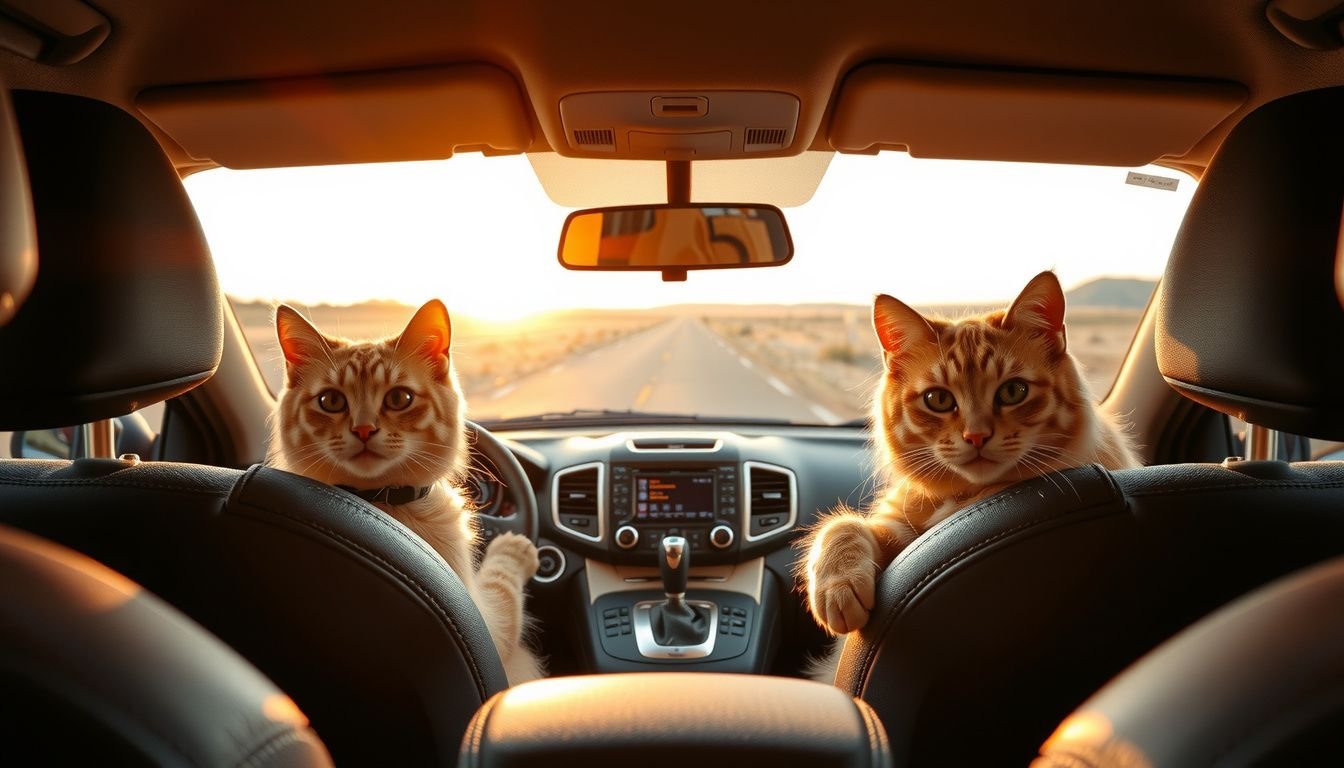
Wondering how to travel with cats in a car long distance without stress or chaos? You’re in the right place. Traveling with cats isn’t like hitting the road with a dog—cats are creatures of habit and can get anxious in unfamiliar environments.
With the right preparation, though, you can make the trip safe and relatively smooth. Whether you’re moving across states or embarking on a long vacation, a few key steps will set you and your cat up for a successful journey. Look, even seasoned cat owners get nervous before a big drive, but with the right strategies, both you and your feline friend can arrive calm and content.
Let’s break down each critical phase so you know exactly what to do.
Prepare Your Cat for Car Travel in Advance
Start acclimating your cat weeks before your departure. Gradual exposure helps minimize anxiety and motion sickness. Begin by placing your cat’s carrier in their favorite hangout spot, letting them sniff and explore it at their own pace.
Place treats, familiar bedding, or toys inside to create positive associations.
After a few days, close the carrier with your cat inside for short periods. Progress to brief car rides, steadily increasing the duration. Watch for signs of stress—panting, meowing, or hiding.
If your cat seems overly anxious, slow down the process.
Pro tip: Use pheromone sprays like Feliway inside the carrier to promote calmness. Don’t rush; the more comfortable your cat feels before the big day, the smoother your trip will be.
Choose the Right Carrier for Comfort and Safety
Your carrier choice can make or break the trip. Opt for a sturdy, ventilated, and escape-proof carrier that’s big enough for your cat to stand, turn, and lie down. Soft-sided carriers are lighter but may not offer enough protection for long distances.
- Hard-sided carriers are generally safer and easier to secure with a seat belt.
- Look for carriers with removable, washable liners for quick cleaning.
- Ensure the carrier has proper ventilation on at least three sides.
Test the carrier by having your cat spend time in it at home. Real-world example: One cat owner found her anxious tabby traveled better after placing a worn T-shirt inside the carrier, offering a familiar scent the entire ride.
Pack Essential Supplies for Your Cat’s Needs
You’ll need more than just a carrier. Pack a dedicated cat travel kit to cover every basic need. Double-check your list so you’re not caught off guard on the road:
- Food and water (plus collapsible bowls)
- Litter box with extra litter and scoop
- Comfort items—blanket, favorite toy, or shirt with your scent
- Medications and a basic first-aid kit
- Cleaning supplies—pet wipes, paper towels, disposable bags
- Copies of vet records and ID tags
Pro tip: Portion out meals for each day and label the containers for easy access during stops.
Familiarize Your Cat With the Car Environment
Your cat’s first long car ride shouldn’t be on moving day. Introduce the car as a safe space well in advance. Place the carrier in the car, let your cat explore, and reward them with treats for calm behavior.
Next, start the engine while staying parked. Gradually increase exposure by taking short drives. This helps your cat get used to engine sounds, movement, and new smells.
If your cat shows signs of distress, shorten the sessions and use soothing tones to reassure them.
Repeat these “practice runs” several times per week. The more familiar your cat is with the car environment, the less likely they’ll panic during your actual trip.
Secure Your Cat Properly Before Hitting the Road
Never let your cat roam loose in the car—it’s dangerous for both of you. Always secure the carrier using a seat belt or a designated pet restraint system. Place the carrier on the back seat, away from airbags and direct sunlight.
Double-check that the carrier doors and latches are fully closed. Pack all supplies within easy reach but out of your cat’s sight to reduce temptation and distraction.
Common mistake: Letting your cat out for comfort. Even a calm cat can bolt if startled. Safety first—keep your cat contained until you reach your destination.
Plan Rest Stops and Keep Your Cat Calm
Long drives require rest stops for you and your cat. Plan to stop every 2–3 hours, but never open the carrier door unless you’re in a secure, enclosed space (like inside your parked vehicle).
- Offer water and, if needed, a small snack at each stop.
- Check the litter box if your trip is exceptionally long.
- Use calming sprays or treats as needed to ease stress.
Speak softly and avoid sudden movements. If your cat becomes overly anxious, cover the carrier with a light blanket to block out unfamiliar sights and sounds.
Monitor Your Cat’s Health and Wellbeing During the Journey
Keep an eye on your cat’s behavior throughout the trip. Signs of distress, drooling, vomiting, or rapid breathing may indicate motion sickness or anxiety. If you notice anything unusual, pull over safely and assess the situation.
Keep the car temperature comfortable—neither too hot nor too cold. Avoid feeding your cat a large meal right before departure to minimize the risk of car sickness.
If your cat has health issues or special needs, consult your vet before you travel. They may recommend anti-anxiety medications or sedatives for particularly nervous travelers.
Settle Your Cat Safely at Your Destination
When you arrive, set up a quiet, cat-proofed room with their carrier, litter box, food, and water. Let your cat explore the new space at their own pace—don’t force interaction.
Keep doors and windows closed until your cat is calm and oriented. Familiar scents and routines help ease the transition, so unpack your cat’s favorite items first.
Check for hiding spots or escape routes to prevent accidental escapes. Give your cat time—they may need a few hours (or days) to adjust fully.
Frequently Asked Questions
How long can a cat stay in a carrier during a road trip?
Cats can remain in a carrier for several hours, but plan breaks every 2–3 hours for water, litter box use, and reassurance.
Should I feed my cat before traveling?
Feed a small meal 3–4 hours before departure to reduce car sickness. Avoid feeding during the drive unless the trip is very long.
Can my cat roam free in the car while driving?
No. For safety, always keep your cat secured in a carrier. Loose cats can distract drivers or escape if a door is opened.
How do I calm my anxious cat during car travel?
Use familiar bedding, pheromone sprays, soft music, and speak in a soothing tone. Practice runs before the trip also help reduce anxiety.
What if my cat gets carsick?
Consult your vet about anti-nausea medications. Keep the carrier stable and ventilated. Avoid feeding large meals before travel.
Putting It Into Practice
Now you know how to travel with cats in a car long distance, from preparation to arrival. Start training your cat early, choose the right carrier, and pack all the essentials. Take it slow—patience and planning are key.
Every trip is unique, but with these steps, you’ll make the journey safer and less stressful for both you and your feline companion. Ready for the road? Your cat’s comfort depends on the steps you take before and during your drive.
Safe travels!