
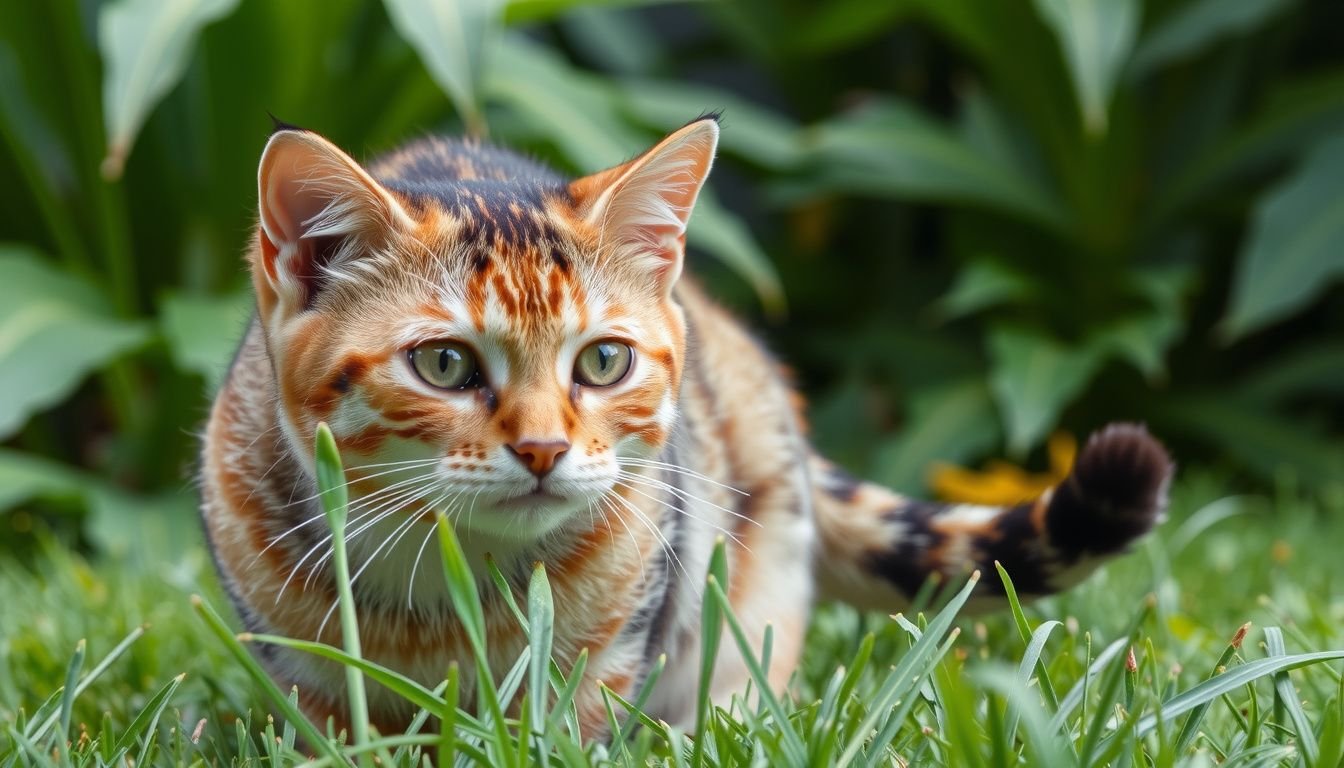
If you’re wondering how to take care of cat grass, you’re in the right place. Cat grass is a safe, tasty treat for your feline, but it’s only beneficial if you know how to keep it healthy and fresh. With the right approach, you can maintain lush cat grass that supports your cat’s digestion and offers natural entertainment.
This guide walks you through every step: from setting up your supplies to troubleshooting common issues. Whether you’re growing cat grass from seed or caring for a store-bought pot, you’ll find real-world tips that you can put into action immediately. By the end, you’ll have a thriving patch of cat grass and a very happy cat.
Gather Supplies and Prepare Your Cat Grass
Before you dive in, assemble everything you need. Here’s your basic supply list:
- Cat grass seeds (wheat, barley, rye, or oat)
- Shallow container with drainage holes
- Potting soil (organic, chemical-free)
- Spray bottle or small watering can
If you’re starting from seed, fill your container with soil, leaving about 1 inch from the top. Sprinkle seeds evenly, then cover with a thin layer of soil—just enough to hide them. Mist the surface lightly with water.
For pre-grown cat grass, check for compacted roots and gently loosen them before placing in a slightly larger pot. This ensures optimal root development and helps prevent overcrowding.
Pro tip: Use organic soil to avoid exposing your cat to harmful chemicals.
Choose the Right Location for Growth
Cat grass thrives in a spot with bright, indirect sunlight. Place your container where your cat can access it but avoid direct midday sun, which can scorch the blades. A kitchen counter near a window or a sunroom shelf is ideal.
Keep the area free from drafts and sudden temperature changes. Avoid placing cat grass near radiators, air vents, or in cold, damp corners. If your cat is particularly curious (or aggressive), consider an elevated location initially to let the grass establish before introducing it to your pet.
Here’s a quick example: If you have playful kittens, try placing the grass on a windowsill that’s above their line of sight for the first week. Once the grass is sturdy, move it to the floor for easy access.
Water Cat Grass Properly and Consistently
Cat grass needs consistently moist soil, but never soggy roots. Water lightly every day or every other day, depending on humidity and temperature. Use a spray bottle for even moisture without flooding.
- Check the soil with your finger—if the top half-inch feels dry, it’s time to water.
- Avoid letting the container sit in standing water. Empty saucers after watering.
- If you notice yellowing blades, you may be overwatering. Let the soil dry slightly before watering again.
Consistent moisture is key—erratic watering can lead to mold or limp, unhealthy grass. Remember, cat grass grows fast and uses up water quickly, especially in warm rooms.
Ensure Adequate Sunlight and Temperature
Cat grass prefers a temperature range of 65–75°F (18–24°C). Too cold, and growth stalls; too hot, and blades wilt or brown. Place your container near a window that receives morning or late afternoon sun, but shield it from harsh midday rays.
Rotate the pot every few days to encourage even growth. If sunlight is scarce, consider using a grow light for 8–10 hours daily. This is especially helpful in winter or for apartments with limited natural light.
Look, sunlight directly impacts vibrancy. Pale, leggy growth usually signals insufficient light—move your container to a brighter spot or add supplemental lighting.
Trim and Maintain Cat Grass for Longevity
Once your cat grass reaches 3–4 inches, introduce it to your cat. As your cat nibbles, the grass will continue to grow if maintained properly.
- Trim the blades back to 2 inches every 1–2 weeks, especially if your cat isn’t eating quickly enough.
- Remove any yellowed or wilted grass promptly. This prevents rot and keeps the pot tidy.
- Regularly turn the pot so all sides receive equal light and growth remains upright.
Trimming encourages new shoots and prevents the grass from getting too tough. Use clean scissors to avoid introducing pathogens.
Monitor Health and Prevent Common Issues
Inspect your cat grass daily for pests, mold, or unusual wilting. If you see gray fuzz or a musty smell, that’s mold—remove affected blades and improve air circulation.
- Keep the container clean and don’t overcrowd seeds at planting.
- If pests (like gnats) appear, let the soil dry slightly and move the pot to a breezier spot.
- Replace the soil and start fresh if you spot persistent mold or fungus.
Healthy cat grass should be bright green, upright, and free of spots. If it starts to decline, don’t hesitate to replant. Most cat grass lasts 2–4 weeks before needing replacement.
What Readers Ask
How often should I plant new cat grass?
Plan to start a fresh pot every 2–4 weeks for a continuous supply. Stagger plantings so there’s always healthy grass available.
Is cat grass safe for all cats?
Yes, most cats can safely enjoy cat grass. Monitor your pet for rare allergies or digestive upset, especially with new varieties.
Can I grow cat grass outdoors?
You can, but keep it in a container. Monitor for pests and avoid exposure to garden chemicals or pesticides.
Why is my cat grass turning yellow?
Yellowing usually means overwatering, poor drainage, or insufficient sunlight. Adjust care and trim off yellowed blades promptly.
You’re Ready
You now know how to take care of cat grass from seed to harvest. With the right setup, regular watering, and a sunny location, your cat will enjoy fresh grass year-round. Keep an eye on health, trim as needed, and don’t hesitate to replant for continuous freshness.
Go ahead—let your cat graze, and take pride in providing a safe, natural treat. Try planting two pots at once: rotate them for constant greenery and a happy, engaged feline companion.