
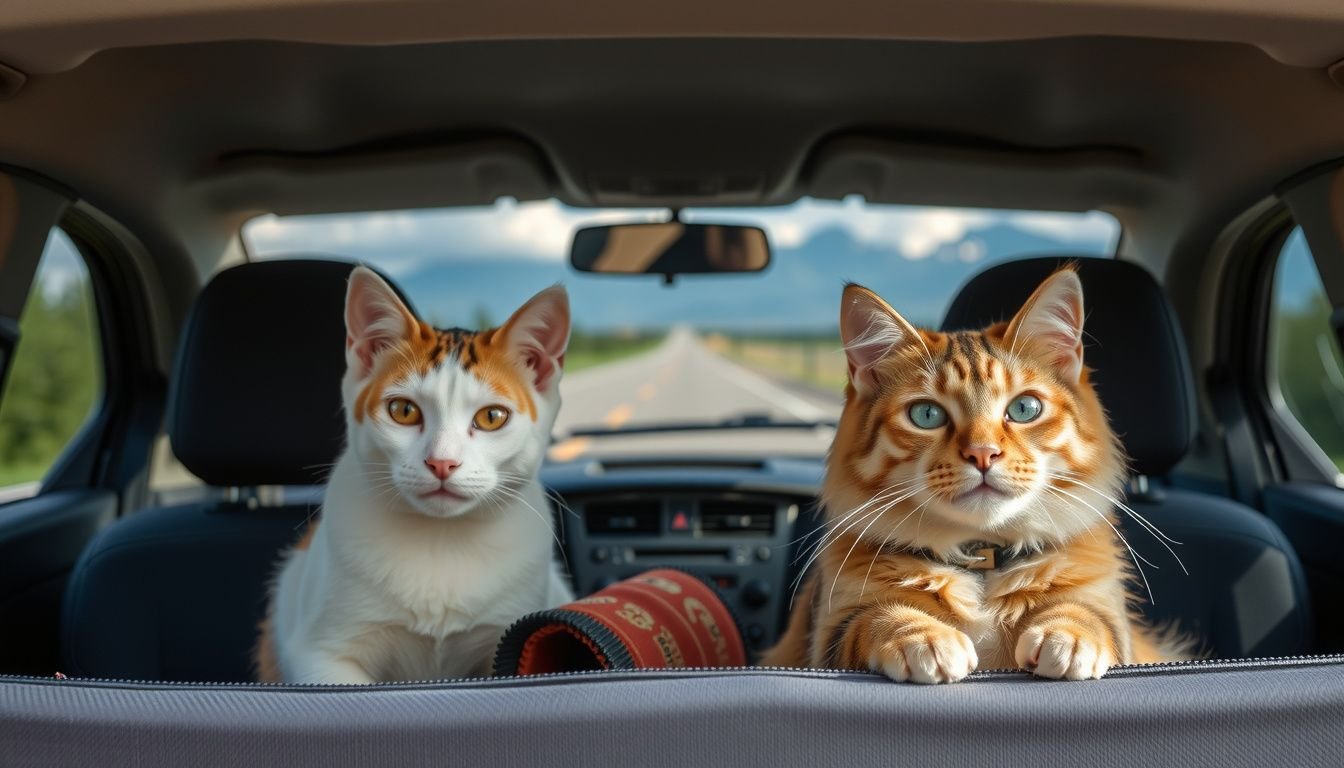
Planning how to travel with cats in the car can feel overwhelming, especially if you’ve never taken your feline friend on the road. Cats are creatures of habit, and a car trip disrupts their familiar territory—so preparation is key. You’ll need the right supplies, a secure carrier, and a calm approach to keep stress minimal for both of you.
The right routine can make the difference between a panicked passenger and a relaxed travel buddy. In this guide, you’ll get step-by-step instructions, including a real-world example from a cross-country move, to help ensure your next road trip with your cat is safe and as comfortable as possible.
Gather Essential Supplies Before You Start
Before you even think about starting the engine, assemble everything your cat will need for the journey. This minimizes mid-trip scrambling and ensures your cat’s comfort and safety.
- Carrier (hard-sided or soft-sided, well-ventilated, escape-proof)
- Absorbent bedding or towels
- Travel litter box and litter
- Water and spill-proof dish
- Favorite toys or blanket for familiarity
- Treats and a small supply of food
- Waste bags, wipes, and paper towels
- Medical records and ID tags
Pro tip: Bring a roll of tape and spare zip ties in case anything needs quick repair or reinforcement. Having everything packed in a dedicated travel bag will make loading and unloading much easier.
Choose and Prepare the Right Cat Carrier
Your cat’s carrier is the single most important piece of gear. Choose a sturdy, well-ventilated carrier that’s large enough for your cat to stand, turn, and lie down. Hard-sided models offer the most protection, but soft-sided carriers can be easier to fit in small cars.
Before the trip, give the carrier a thorough cleaning and line it with familiar bedding. Add a favorite toy or a piece of your clothing to help your cat feel secure. If you’re traveling in hot or cold weather, consider a carrier cover for temperature regulation.
Always check that the door latches securely—cats are notorious escape artists.
Common mistake: Skipping a carrier altogether. Even the calmest cats can panic unexpectedly. Never transport your cat loose in the car.
Acclimate Your Cat to the Carrier and Car
Don’t wait until travel day for your cat’s first carrier experience. Gradually introduce the carrier in your home, leaving the door open and placing treats or toys inside. Once your cat is comfortable, take short drives around the block, slowly increasing duration.
During acclimation, speak in a calm, reassuring voice and reward calm behavior. This helps your cat associate the carrier and car with positive experiences, reducing anxiety on the actual trip. Real-world example: One pet owner spent two weeks letting her cat nap in the carrier and took five short drives before a successful 6-hour road trip.
Pro tip: Use pheromone spray (like Feliway) in the carrier before each session to help reduce stress.
Plan Your Route and Schedule Breaks Wisely
Long or short, your trip will go smoother with a solid plan. Map out your route, noting pet-friendly rest stops and areas where you can park in the shade. Aim for breaks every 2-4 hours, especially on longer drives.
- Limit drive time to daylight hours when possible.
- Keep music and conversation at a moderate volume.
- Minimize sudden stops or sharp turns.
If you’re crossing state lines, double-check pet travel regulations. For overnight trips, confirm your accommodations accept cats and check for extra fees or pet policies. Always avoid leaving your cat alone in the car—even with windows cracked, temperatures can become dangerous quickly.
Safely Secure Your Cat and Gear in the Vehicle
On travel day, place your cat’s carrier on the back seat, secured with a seatbelt or special carrier strap. The carrier should not slide or tip over if you brake suddenly. Never position the carrier in the front seat due to airbags.
Stow supplies within arm’s reach but out of the way of footwells and airbags. Keep windows closed or only slightly cracked to prevent escapes. For multiple cats, use separate carriers and avoid stacking them.
Pro tip: Cover the carrier with a light towel if your cat is easily overstimulated by passing scenery. This helps many cats settle down during transit.
Monitor and Minimize Stress During the Trip
Watch your cat for signs of distress: panting, vocalizing, or excessive hiding. Speak softly and avoid sudden movements. If your cat is vocal, don’t scold—reassure with your voice or offer a favorite treat at stops.
Maintain a comfortable temperature (65-75°F is ideal). Portable fans or cooling pads can help during hot weather. If your cat drools or pants excessively, pull over, check for overheating, and offer water.
If you have a travel buddy, one person can ride in the back to comfort your cat. For solo travelers, check in visually at each stop. Some cats prefer silence; others like low, soothing music—experiment to see what works best for your pet.
Handle Food, Water, and Litter Needs on the Road
Feed your cat a small meal 3-4 hours before departure to reduce motion sickness risk. During the trip, offer water at each break, but skip large meals—most cats won’t eat much while traveling.
For longer drives, bring a compact litter box and offer a bathroom break in a secure, confined space (like a parked car with doors closed). Clean up any accidents promptly to keep your cat comfortable and the car fresh.
Pro tip: Use spill-proof water bowls and disposable litter trays for easy cleanup. Cats often hold their bladder for hours, so don’t worry if your cat refuses to use the box until you arrive.
Arrive and Settle Your Cat Into the New Environment
Once you reach your destination, bring your cat directly to a quiet, secure room. Set up the carrier, litter box, food, and water, and give your cat time to decompress before exploring. Leave the carrier open—this familiar “safe zone” helps your cat adjust at their own pace.
Unpack favorite toys and bedding first to create a sense of continuity. Sit with your cat and offer treats, but let them initiate contact. Expect some hiding or cautious sniffing—don’t force interaction.
Many cats settle in within a few hours, while others may need a day or two to feel at home.
Pro tip: Keep doors and windows closed to prevent escape attempts during these first hours, especially if your cat is nervous or prone to bolting.
Common Questions
How long can a cat travel in a carrier?
Most cats can handle 6-8 hours in a carrier with regular breaks every 2-4 hours for water and litter box access.
Can I let my cat out of the carrier during the drive?
No, always keep your cat secured in the carrier for safety. Even calm cats can panic and cause distractions or injuries.
Should I sedate my cat for car travel?
Only use medication prescribed by your vet. Many cats do fine without sedation if properly acclimated ahead of time.
What if my cat vomits or soils the carrier?
Pull over safely, clean your cat and the carrier using wipes and fresh bedding, and offer water. Bring extra supplies for this reason.
How do I calm a meowing or anxious cat?
Speak softly, cover the carrier, and use familiar items or pheromone sprays. Short, positive trips in advance help most.
Start Here
Take the first step: gather your cat’s travel kit and introduce the carrier today. A little prep now means a smoother, safer journey for both of you. Each trip gets easier with practice, and soon your cat may surprise you with their adaptability.
Remember, your calm presence is the best reassurance your cat can have. Ready to hit the road? Start small—your cat’s next adventure begins with a single car ride.