
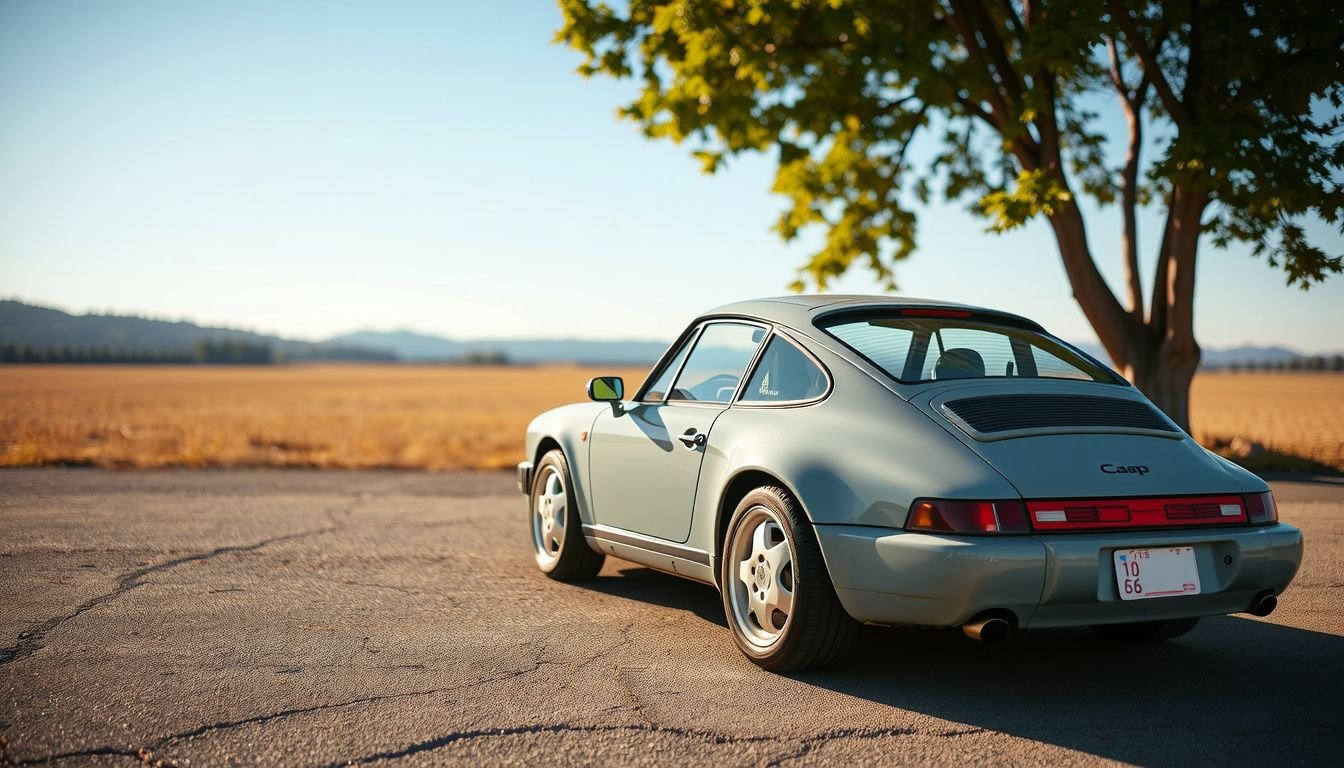
Ever caught yourself wondering, “was it a cat or a car I saw” darting past your window at dusk? This quirky phrase isn’t just a palindrome—it’s a real-life dilemma that can leave you second-guessing what just zipped by. Whether you live near a busy street or a quiet alley, distinguishing between a four-legged feline and a four-wheeled machine matters for your safety, awareness, and sometimes, just your curiosity.
Let’s get clear on how you can make the call quickly and confidently the next time you’re unsure. Real-world scenario: You hear a quick movement outside and glimpse a shadow—was it your neighbor’s tabby or someone’s compact sedan pulling in?
Understanding the Ambiguity: Cat or Car?
The confusion between a cat and a car often comes down to fleeting glimpses, poor lighting, or similar movement patterns at a distance. Both can appear as dark shapes crossing your path, and at first glance, your brain may process only the most basic visual cues. This ambiguity is heightened in certain environments, like foggy evenings or through rain-splattered windows.
Why does this matter? Misidentifying a cat as a car (or vice versa) could affect your immediate actions—do you brake suddenly, or just watch curiously? Understanding the root of this confusion means knowing what traits overlap and where the differences lie.
Context, sensory input, and quick observation are your best allies in telling them apart.
Comparison Table: Visual and Contextual Clues
| Criteria | Cat | Car |
|---|---|---|
| Sound | Padded footsteps, meows, or silence | Engine hum, tire noise, doors |
| Movement | Quick, agile, unpredictable | Straight, consistent, predictable |
| Size & Shape | Small, low to ground, elongated body | Larger, boxy or streamlined, higher profile |
| Silhouette | Curved spine, visible tail/ears | Defined edges, headlights, wheels |
| Behavior | Pauses, zigzags, stops abruptly | Continuous, rarely stops mid-path |
| Typical Environment | Yards, alleys, fences | Driveways, roads, garages |
Criteria 1: Sound and Movement Differences
Start with your ears. A cat moves with near-silence—think of soft padded paws, the faintest meow, or a quick rustle in grass. The movement is usually erratic: one moment fast, the next moment frozen.
A car, on the other hand, announces itself with a clear engine hum, tire crunch on gravel, or the thud of a door closing. Its movement is generally linear and smooth, rarely making sudden unpredictable stops unless there’s an emergency.
For example, if you’re walking your dog and hear a low rumble followed by headlights sweeping the curb, it’s no contest—it’s a car. If all you notice is a sudden scurry followed by silence, you might be dealing with a cat.
Criteria 2: Size, Shape, and Silhouette
Visual identification is often your next best tool. A cat’s silhouette is low to the ground, with gentle curves, a tail, and often visible pointed ears. In contrast, even the smallest car has a blockier shape, higher profile, and features like headlights or wheels that reflect light.
In dim lighting, a car’s straight lines and larger mass are hard to miss, while a cat’s elongated body and agile posture can blend into shadows.
When you glimpse a fast-moving shadow, look for telltale shape cues—does it have a tail, or is it casting a wider, rectangular profile? This split-second assessment can save you from mistaking one for the other.
Criteria 3: Environmental Context and Behavior
Where the movement happens is often your biggest clue. Cats are more likely to appear in gardens, alleys, near fences, or under parked cars. Their behavior includes zigzagging, suddenly stopping, or darting into tight spaces.
Cars stick to roads, driveways, and garages, moving in predictable patterns and rarely squeezing through narrow gaps.
If you see something dart across a busy street and then leap onto a fence, that’s classic cat behavior. In contrast, if the movement stays on pavement and follows a defined path, you’re likely looking at a vehicle. Always factor in the environment and how the object interacts with it.
Verdict: How You Can Tell the Difference
So, was it a cat or a car you saw? Combine sensory data: listen for sounds, scan for movement style, and assess shape and setting. Sound gives you the first clue, movement reinforces your impression, and context seals the verdict.
If any element doesn’t fit (e.g., no engine noise in a driveway at night), trust your instincts and double-check.
Ultimately, most misidentifications happen in low light or when you don’t get a complete view. Training yourself to notice these criteria means you won’t hesitate the next time you catch a shadow at dusk. Stay alert; the answer is usually clearer than you think.
Frequently Asked Questions
How can I avoid mistaking a cat for a car at night?
Use a flashlight to catch the eye-shine of cats, and listen for engine sounds. Headlights and defined shapes usually indicate a car.
Why do cats and cars sometimes look similar from a distance?
In low light, both can appear as dark moving shapes. Limited visibility and quick movements add to the confusion.
Are there risks to misidentifying one for the other?
Yes. Mistaking a cat for a car could result in missed safety decisions, like not braking in time or unnecessary panic.
Can security cameras help tell the difference?
Absolutely. Reviewing footage lets you analyze movement patterns and silhouettes, making identification easier.
What role does environment play in identification?
Huge. Cats frequent yards and fences; cars stick to driveways and roads. Always consider where the movement occurs first.
Our Verdict
When faced with the classic “was it a cat or a car I saw” scenario, rely on a blend of sensory observation, context, and quick visual checks. Listen for sounds, analyze movement, and consider the environment. In most real-world situations, these cues work together to guide you to the right answer—so you’ll know whether to grab your keys or coax a stray off your porch.
Stay sharp, trust your senses, and you’ll rarely be fooled.