
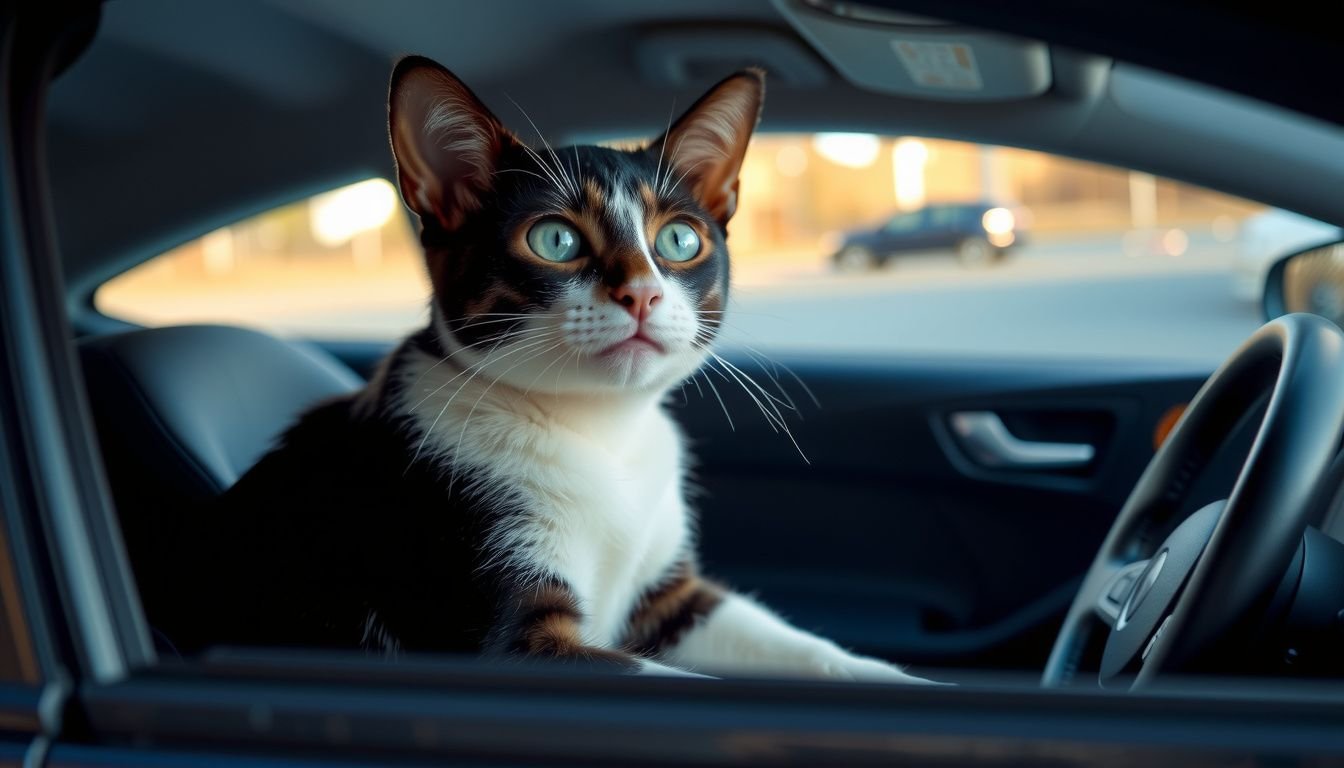
Ever wondered, do cats like riding in cars? Maybe you’ve seen videos of adventurous kitties perched on dashboards, and you’re curious if your own cat could love the open road. The truth is, most cats have strong feelings about car rides—some positive, many not so much.
As a seasoned pet owner or a new cat parent, understanding your cat’s unique preferences is key to safe, stress-free travel. In this guide, you’ll discover what most cats really think about car rides, spot signs of comfort or distress, and learn expert strategies to make every trip smoother. Ready to hit the road with confidence?
Let’s get started.
Quick Facts: Cats and Car Rides
- Most cats dislike car rides due to unfamiliar sights, sounds, and motion.
- Only a minority of cats enjoy or tolerate travel—often after gradual training.
- Stress can cause nausea, vocalization, or even aggression during drives.
- Proper preparation and safety steps make all the difference.
Do Cats Like Riding in Cars? What You Should Know
For the vast majority of cats, car travel isn’t a favorite activity. Cats are territorial creatures—they feel safest in familiar environments. Riding in a moving vehicle exposes them to strange vibrations, noises, and smells, which can be overwhelming.
While some adventurous or well-socialized cats may tolerate or even enjoy short rides, this is rare. Usually, if your cat seems calm, it’s because they’re well-prepared or have had positive travel experiences from a young age.
Remember, how your cat responds to car rides depends on their personality, early experiences, and how you introduce travel. Don’t be discouraged if your cat isn’t a natural road tripper—there are steps you can take to make journeys less stressful.
Common Signs Your Cat Enjoys or Dislikes Car Rides
Recognizing your cat’s feelings about car travel is essential. Look for these clear signals:
- Enjoys: Calm posture, minimal vocalization, curiosity about surroundings, willingness to eat treats.
- Dislikes: Excessive meowing, panting, drooling, trembling, hiding, or trying to escape the carrier.
- Severe distress: Vomiting, urinating, or defecating in the carrier, aggressive behavior.
If your cat displays more stress signals than calm ones, it’s a sign they’re not comfortable. Always prioritize their well-being and adjust your approach if needed.
Why Some Cats May Fear Traveling in Cars
Cats develop fears based on past experiences and instinct. Common reasons for car anxiety include:
- Lack of exposure: Cats rarely leave home, so car rides are unfamiliar and scary.
- Negative association: Often, car trips mean vet visits—stressful for any pet.
- Sensory overload: Motion, engine noise, and new scents can overwhelm a cat’s sensitive senses.
Understanding these triggers helps you empathize with your cat and plan ways to reduce their stress before, during, and after car travel.
How to Prepare Your Cat for a Car Ride
Preparation is the secret to a smoother car ride. Here’s how to set your cat up for success:
- Choose a sturdy carrier that allows your cat to stand and turn around comfortably.
- Familiarize your cat with the carrier at home by placing treats, toys, or bedding inside.
- Practice short, calm sessions in a parked car before attempting longer trips.
- Feed your cat a few hours before travel to reduce nausea risk.
Small steps build positive associations. For example, one owner placed her cat’s carrier in the living room for a week, dropping treats inside daily—by travel day, her cat entered it calmly, making the car ride much less stressful.
Tips to Make Car Trips Less Stressful for Your Cat
Want to make car rides easier on your feline friend? Try these proven tips:
- Maintain a calm environment: Play soft music or keep the car quiet.
- Secure the carrier so it won’t slide or tip during turns.
- Cover the carrier with a breathable cloth to minimize visual stressors.
- Bring familiar items like a favorite blanket or toy.
- Take breaks on long trips—offer water and a litter break if possible.
Never let your cat roam loose in the car. A loose cat can distract the driver or become injured in sudden stops.
Safety Precautions for Traveling with Cats
Safety comes first, always. Here’s what you should do:
- Always transport your cat in a secure, well-ventilated carrier.
- Double-check that carriers are latched and seat-belted.
- Keep windows up and doors locked—never open a door until the carrier is secure.
- Pack a travel kit: include water, food, extra litter, and cleaning supplies.
In case of emergencies, have your vet’s contact information and your cat’s medical records on hand. A prepared traveler is a safe traveler.
When to Avoid Taking Your Cat in the Car
Sometimes, it’s best to leave your cat at home. Avoid taking your cat on car rides if:
- They’re showing signs of illness or recovering from surgery.
- The weather is extremely hot or cold—cars can become dangerous quickly.
- There’s no safe, pet-friendly destination at the end of the trip.
If travel is unavoidable, consult your veterinarian for advice. In some cases, mild sedatives or anti-nausea medication may be recommended.
What Readers Ask
Can cats get motion sickness during car rides?
Yes, many cats experience motion sickness, which can cause drooling, vomiting, or excessive vocalization. Feeding your cat several hours before travel helps minimize this risk.
How long can a cat safely stay in a carrier during travel?
Most healthy cats can stay in a carrier for 4-6 hours. For longer trips, plan breaks every 2-3 hours to offer water and a quick stretch, if practical.
Should I let my cat out of the carrier in the car?
No, it’s unsafe to let your cat roam free in the car. Always keep your cat secured in a carrier to prevent injuries and distractions while driving.
Are there products that help keep cats calm during car rides?
Yes, pheromone sprays, calming collars, and vet-prescribed medications can reduce anxiety. Test these products at home first to see which works best for your cat.
The Bottom Line
Most cats don’t naturally love car rides, but with patience and preparation, you can make travel less stressful for your furry companion. Watch for signs of distress, create positive associations, and always prioritize safety. If your cat continues to struggle with car trips, consult your veterinarian for tailored advice.
Remember, every cat is unique—your approach should be too. Confident, informed planning ensures smoother journeys for both you and your cat.
Related read: Why Do Cats Not Like Car Rides? Calm Travel Tips