
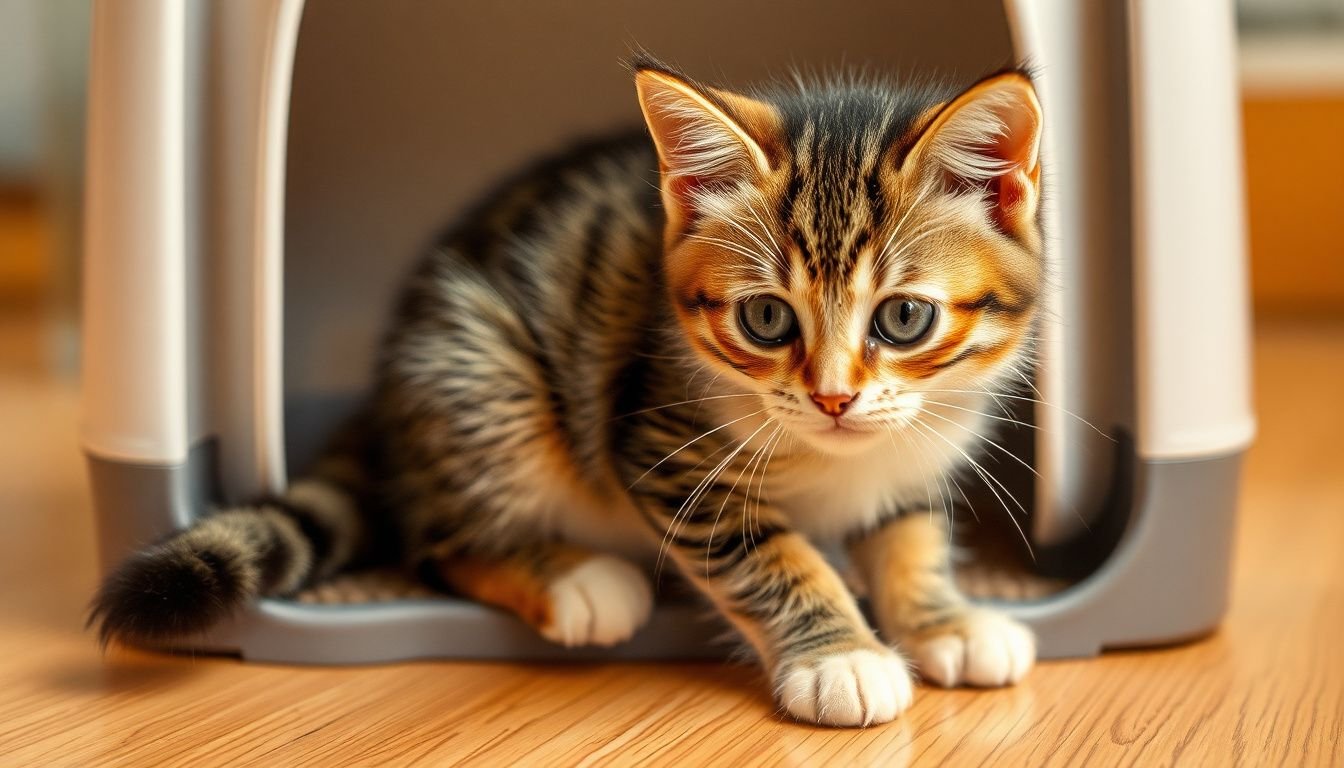
You can successfully train a kitten to use a litter box by following simple, consistent steps—even first-time pet parents can achieve litter box success within days.
Learning how to train kitten to use litter box is one of the most important skills for new cat owners. Not only does it ensure a clean and hygienic home, but it also reduces stress for both you and your furry friend. With a structured approach and the right environment, even the youngest kittens can quickly learn proper litter habits, setting them up for a lifetime of good behavior.
If you’ve ever struggled with kitten potty accidents or worried about your new kitten adapting, you’re not alone. In this guide, you’ll discover proven techniques, expert-backed strategies, and practical tips to train kitten to use litter box effectively. You’ll learn how to choose the right litter box, set up a welcoming space, address common challenges, and maintain healthy litter habits for years to come. Ready to help your kitten thrive? Let’s dive in.
Why Litter Training Your Kitten Matters: The Numbers and Benefits
Many cat owners underestimate the importance of early litter training, but the benefits are clear and far-reaching. According to the American Veterinary Medical Association, over 95% of indoor cats use a litter box daily. Properly trained kittens adapt to household routines faster, experience less stress, and are less likely to develop undesirable behaviors like soiling furniture or carpets.
Here are some compelling reasons to train kitten to use litter box from the start:
- Hygiene: Reduces the risk of bacterial contamination and keeps your home odor-free.
- Behavioral Health: Establishes boundaries and prevents inappropriate elimination habits.
- Bonding: Strengthens trust between you and your kitten by providing a safe, predictable environment.
- Convenience: Makes daily cleaning easier and less time-consuming for pet owners.
- Long-Term Health: Early training can prevent urinary tract issues linked to improper elimination.
Moreover, kittens who master the litter box early are more confident and less likely to experience anxiety-related problems. Setting your kitten up for success from the beginning pays off for years—both for you and your feline companion.
Step-by-Step: How to Train Kitten to Use Litter Box Like an Expert
Ready to start? Follow this actionable, research-backed process to train your kitten with confidence. The younger the kitten, the easier it is to establish good habits—most kittens are ready to learn at just 3-4 weeks old.
1. Choose the Perfect Litter Box and Litter
- Size Matters: Select a low-sided, shallow box for kittens so they can easily climb in and out.
- Material: Opt for unscented, non-clumping litter at first—it’s safer for kittens who may taste or ingest litter.
- Quantity: Always provide at least one box per kitten, plus one extra. For example, two kittens = three boxes.
Place the litter boxes in quiet, low-traffic areas. Avoid placing them near food or water bowls, as cats prefer to eliminate far from where they eat.
2. Introduce Your Kitten to the Litter Box
- Gently place your kitten in the box after meals, naps, and play sessions—these are natural times when they’ll need to go.
- Allow your kitten to sniff, dig, and explore. If they don’t use the box immediately, stay patient—never force them.
- Repeat this process several times a day, especially during the first week.
Some kittens learn in as little as 2-3 days, while others may take a week or more. Consistency is key.
3. Reinforce Good Behavior with Positive Rewards
- Whenever your kitten uses the box, offer gentle praise, pets, or a small treat.
- Avoid punishment or negative reinforcement—this can cause fear and litter box avoidance.
- Keep the area calm and stress-free to encourage repeat success.
4. Clean and Maintain the Litter Box
- Scoop waste at least once daily to keep the box fresh and inviting.
- Wash the litter box with mild soap and warm water weekly—avoid harsh chemicals.
- Change all litter every 1-2 weeks, or more often if odors develop.
Kittens are extremely sensitive to smells. A dirty box is the #1 reason for accidents outside the box.
5. Troubleshoot Setbacks and Stay Consistent
- If accidents occur, clean the area thoroughly with an enzymatic cleaner to remove all scent traces.
- Never scold or rub your kitten’s nose in the mess—redirect them to the litter box instead.
- Monitor for medical issues if accidents persist; consult your veterinarian if needed.
By following these steps, you’ll train kitten to use litter box successfully—setting the stage for a happy, healthy life together.
Choosing the Best Litter Box: Comparison for Every Kitten
Not all litter boxes are created equal. The right setup makes a huge difference in your kitten’s training journey. Here’s a table comparing two popular options: open vs. covered litter boxes.
If you’re just starting to train kitten to use litter box, an open, shallow box is usually best. As your kitten grows, you can transition to a covered box for added privacy and odor control, based on your preferences and your cat’s comfort level.
Common Mistakes When Training Kittens—and How to Avoid Them
Even the most attentive owners can encounter setbacks. Understanding typical mistakes can help you sidestep frustration and speed up the learning process for both you and your kitten.
- Using the Wrong Litter: Scented or clumping litters can deter young kittens. Stick to non-clumping, unscented varieties at first.
- Poor Litter Box Placement: Boxes placed in noisy, high-traffic, or inaccessible areas are less likely to be used.
- Insufficient Cleaning: Dirty boxes are the leading cause of litter box avoidance. Clean daily and change litter regularly.
- Negative Reinforcement: Scolding or punishing your kitten can cause fear or confusion, making the problem worse.
- Not Enough Boxes: Multi-cat households or large homes require more boxes to accommodate every pet’s needs.
By steering clear of these pitfalls, you can dramatically improve your success rate when you train kitten to use litter box. Remember, patience and positive reinforcement always yield the best results.
Advanced Tips: Troubleshooting and Special Scenarios
Some kittens may face unique challenges when learning litter habits. If your kitten is struggling, consider these expert-backed strategies to address special circumstances:
Training Orphaned or Rescued Kittens
- Start by gently stimulating their genital area with a damp cloth, mimicking a mother cat’s grooming, especially if under 4 weeks old.
- Introduce the litter box as soon as they can walk steadily.
- Use shallow boxes and soft, sandy litter for comfort.
Dealing with Persistent Accidents
- Rule out medical causes such as urinary tract infections or digestive issues.
- Re-evaluate your litter box location and cleanliness.
- Try confining your kitten to a smaller space with the litter box until habits improve.
Transitioning to Different Litter Types
- Gradually mix the new litter with the old, increasing the new type over 7-10 days.
- Monitor your kitten’s reaction and adjust the pace as needed.
In rare cases, kittens may develop a preference for certain surfaces due to early experiences. If so, work with your veterinarian or a feline behaviorist for a customized plan. Persistence and gentle, consistent guidance make all the difference.
Maintaining Litter Box Success: Long-Term Habits That Stick
Once you successfully train kitten to use litter box, maintain these habits to ensure ongoing success as your kitten matures into adulthood:
- Keep Boxes Accessible: As your kitten grows, adjust box size and accessibility to suit their needs.
- Monitor for Changes: Pay attention to changes in elimination habits, as these can signal stress or health concerns.
- Provide Multiple Boxes: In multi-cat homes, ensure each cat has their own box plus one extra to prevent competition.
- Upgrade When Needed: Switch to clumping or specialty litter as your kitten gets older and stops tasting litter.
- Clean Diligently: Stick to your cleaning routine—cats are far more likely to use a fresh, odor-free box.
Long-term litter box success relies on your ongoing attention and care. A small investment of time each day results in a happier, cleaner home for both you and your cat.
Frequently Asked Questions
At what age should I start to train kitten to use litter box?
You can begin litter box training as early as 3-4 weeks old, which is when most kittens naturally start eliminating on their own. The earlier you start, the easier it is to establish good habits.
What type of litter is safest for young kittens?
Non-clumping, unscented litter is safest for kittens under 8 weeks, as they may ingest litter while exploring. After that, you can gradually introduce clumping or specialty litters as they mature.
How can I prevent my kitten from having accidents outside the box?
Keep the litter box clean, accessible, and located in a quiet area. Consistently place your kitten in the box after meals and naps, and praise them for using it to reinforce positive behavior.
What should I do if my kitten refuses to use the litter box?
First, check for medical issues and ensure the box is clean and easy to access. If problems persist, try a different box style, move the box to a new location, or consult your veterinarian for guidance.
Is it necessary to have more than one litter box for a single kitten?
While one box is usually enough for a single kitten, having an extra box can help prevent accidents and gives your kitten options. This is especially useful in larger homes or for kittens learning new routines.
Final Thoughts on train kitten to use litter box
Training your kitten to use the litter box is a straightforward yet essential part of pet ownership. By choosing the right supplies, providing a welcoming environment, and reinforcing positive behaviors, you can train kitten to use litter box successfully in just a few days. Avoiding common mistakes, addressing setbacks promptly, and staying consistent will help your kitten develop lifelong healthy habits.
Whether you’re a first-time kitten parent or an experienced cat lover, the steps outlined here will empower you to create a clean, happy home for your furry friend. Start implementing these actionable tips today, and enjoy the peace of mind that comes with a well-trained, contented kitten. Remember, patience and positivity are your best allies on this rewarding journey—your kitten will thank you for it.