
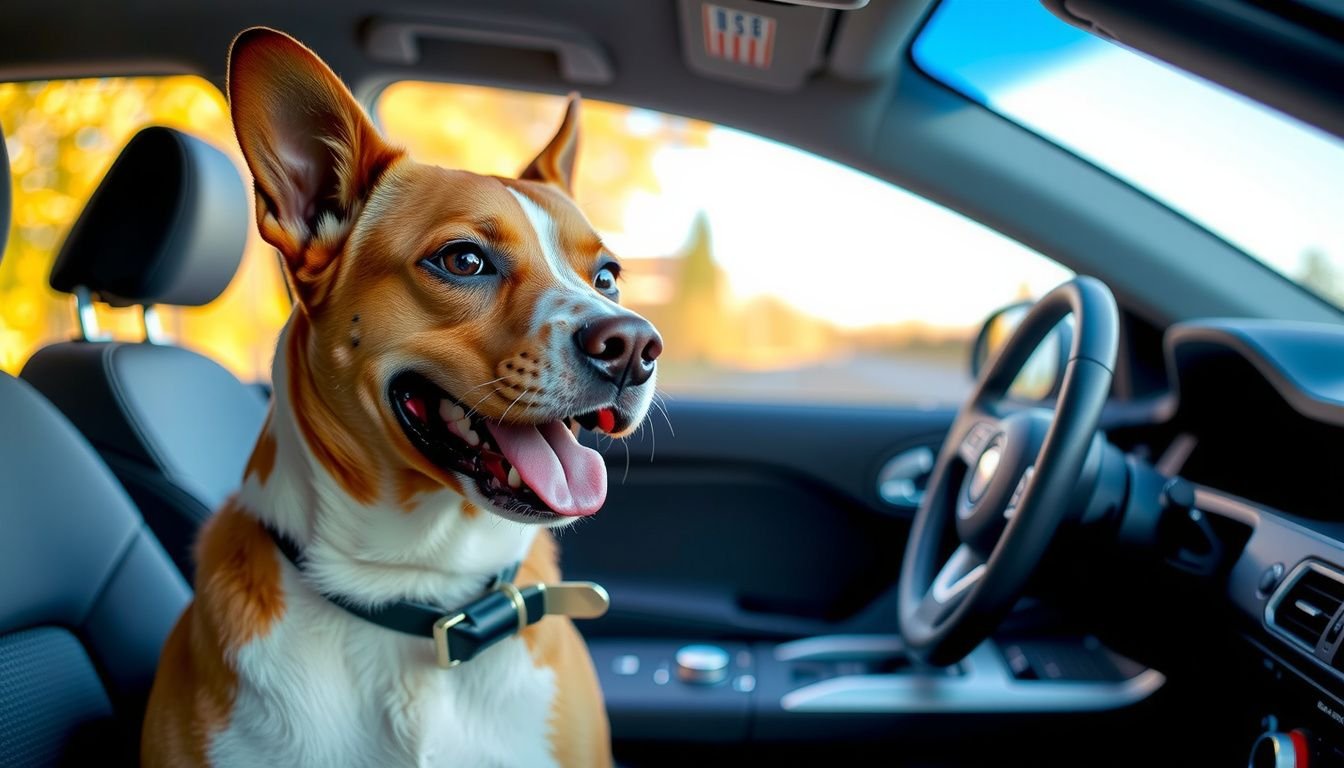
Many pet owners assume their dog’s car sickness is just a phase they’ll eventually outgrow, but that’s not always the case. Waiting it out can prolong your dog’s discomfort and make car rides stressful for both of you. The real solution?
Understanding how to help dogs with car sickness requires a proactive approach—one that combines gradual exposure, gentle support, and sometimes even professional guidance.
Look, dogs can feel queasy on car rides for several reasons: anxiety, motion sensitivity, or even negative past experiences. You can’t solve this with just tough love or by hoping your dog “gets used to it.” Instead, you’ll need a step-by-step strategy tailored to your dog’s needs.
Take Bailey, a two-year-old Labrador, for example. She used to drool and whine during every ten-minute drive. Her owner started with short, positive trips and rewarded calm behavior.
Within weeks, Bailey was riding to the park without distress—a total game-changer for their weekend adventures.
This guide delivers actionable steps to help your dog feel confident and comfortable in the car, so road trips become something you both look forward to.
Assess Your Dog’s Car Sickness Symptoms and Triggers
Start by closely observing your dog’s behavior before, during, and after car rides. Car sickness in dogs doesn’t always look the same, so you’ll need to identify your dog’s unique signals. Classic symptoms include drooling, whining, excessive licking, panting, trembling, or even vomiting.
Some dogs may also pace or try to hide when the car starts moving.
Keep a log of your dog’s reactions. Note the duration of the trip, time of day, and specific events (like sharp turns or stops) that seem to worsen symptoms. This helps you pinpoint patterns and potential triggers.
It’s not uncommon for symptoms to show up before the car even moves—anticipation alone can cause distress for some dogs.
Evaluate if your dog’s motion sickness is tied to anxiety, physical discomfort, or both. Puppies and younger dogs are especially prone because their inner ear structures are still developing. However, even adult dogs can struggle due to stress, negative associations, or underlying medical issues.
- Common triggers: Stop-and-go traffic, winding roads, strong air fresheners, or loud music.
- Subtle signs: Yawning, lip-smacking, or turning away from you.
- Severe symptoms: Continuous vomiting, diarrhea, or refusal to enter the vehicle.
Real-world example: If you notice your dog drools more on curvy roads but is fine on highways, you’ve pinpointed a trigger—sharp turns. Documenting these details lets you tailor solutions.
Prepare Your Dog Before Car Rides
Once you’ve identified symptoms and triggers, focus on setting your dog up for success before every ride. Preparation reduces the likelihood of car sickness and makes travel less stressful for both of you. Begin by ensuring your dog is healthy—consult your veterinarian to rule out underlying conditions.

Feed your dog a light meal 3-4 hours before the trip. An empty or overly full stomach can worsen nausea. Avoid rich treats or table scraps before travel.
Make sure your dog has access to water, but don’t overdo it right before departure.
- Exercise: Take your dog for a brisk walk or play session before the ride. Physical activity relieves tension, making them calmer in the car.
- Desensitization: Gradually introduce your dog to the car. Start with short, engine-off sessions where you reward calm behavior. Slowly progress to brief drives around the block, always ending on a positive note.
- Comfort items: Bring your dog’s favorite blanket or toy. Familiar scents provide reassurance during travel.
Pro tip: Place your dog’s carrier or seatbelt harness in the back seat, facing forward. This reduces the amount of motion your dog perceives and mimics the direction you’re facing, which can help prevent disorientation.
For example, one dog owner discovered that playing soft, familiar music and opening the window slightly for fresh air resulted in calmer, symptom-free rides. Small changes before travel can have a big impact.
Create a Comfortable Car Environment
Now that you’ve started prepping your dog for travel, it’s time to focus on the car itself. Your vehicle’s environment can make or break your efforts to ease car sickness. Small changes often yield big results for your dog’s comfort.
Start by keeping the temperature cool and consistent. Open a window slightly to improve ventilation—fresh air can help curb nausea. Avoid blasting air directly at your dog, as this can cause discomfort and stress.
Secure your dog with a well-fitted harness, crate, or dog seat belt. Movement during the ride, especially sliding or sudden stops, can worsen motion sickness. Crates often provide a den-like sense of security, especially if lined with familiar bedding that smells like home.
- Block direct sunlight—use sunshades or position your dog away from bright windows.
- Keep the car clean and free of strong odors, as scents can trigger nausea.
- Bring along a favorite toy or blanket for comfort and distraction.
Let’s say you’re taking your golden retriever on a two-hour road trip. You set up a crate in the back seat, line it with her favorite blanket, and crack both rear windows slightly for airflow. You also bring her squeaky toy and keep the car clutter-free.
These steps can noticeably reduce her stress and queasiness, making the journey smoother for both of you.
Pro tip: Avoid feeding your dog a large meal within two hours of travel. An empty or lightly filled stomach is less likely to get upset.
Use Training Techniques to Reduce Car Anxiety
Once your car is set up for comfort, focus on training to address anxiety—a major trigger for car sickness in dogs. This step requires patience, but gradual exposure and positive reinforcement go a long way.
Begin with short, low-pressure introductions. Let your dog explore the parked car without starting the engine. Reward calm behavior with treats or gentle praise.
Once your dog is comfortable, start the engine but stay stationary. Repeat this process for several sessions.

- Desensitization: Slowly increase the time your dog spends in the running car, always ending on a positive note.
- Take very short drives around the block, rewarding your dog after each trip.
- Gradually extend trip length as your dog grows more confident and relaxed.
If your dog shows signs of anxiety, stop and reset. Never force your dog into the car or punish nervous behaviors—this can worsen the issue.
Real-world example: A client’s border collie, Lucy, was terrified of car rides. We started by feeding her meals in the back seat (parked, engine off). Over a few weeks, Lucy graduated to short rides to a nearby park, always ending with playtime.
This positive association helped Lucy overcome her fear, and her car sickness episodes decreased dramatically.
Pro tip: Pair car rides with your dog’s favorite activities or destinations. Positive associations speed up the desensitization process and build trust.
Monitor Progress and When to Consult Your Veterinarian
Now that you’ve established new routines and adjustments, it’s vital to track your dog’s response. Monitoring progress helps you determine if your efforts are working or if more help’s needed. Take notes after each ride—did your dog drool less, seem calmer, or show less interest in the window?
Keep a simple journal or use a notes app. Record specific symptoms and their severity immediately after trips. For instance, did your dog only whine, or did they vomit?
Over time, look for patterns or improvements. This evidence-based approach helps you make informed decisions.
Here’s a practical example: After switching to shorter, more frequent car rides and opening the window slightly, you notice your dog only drools but no longer vomits. That’s progress. If symptoms plateau or worsen, it’s time to ask for professional guidance.
- Persistent vomiting or diarrhea after rides
- Refusal to enter the car despite gradual training
- Weight loss or lethargy linked to travel stress
- New symptoms like trembling or excessive pacing
You should consult your veterinarian if you notice any of these signs. Sometimes, medication or further investigation is necessary. Your vet might recommend anti-nausea drugs, pheromone sprays, or even a referral to a behaviorist.
Tracking changes and knowing when to seek help are crucial steps in mastering how to help dogs with car sickness. Your attentiveness makes a real difference in your dog’s comfort and health.
Next Steps
You’ve learned several targeted strategies to manage car sickness in your dog, from identifying triggers to creating a calming travel experience and tracking your dog’s progress. Every dog is unique, so the key is to be patient and methodical as you tailor these approaches to fit your pet’s specific needs.
Look, real progress happens with consistency. For instance, one dog owner noticed their anxious retriever stopped drooling and whining in the car after introducing short, positive rides paired with a favorite blanket and gentle praise. Small changes, repeated often, can create remarkable results.
Your next step: Choose one new action from this guide and apply it during your dog’s next trip. Stay observant, adjust as needed, and don’t hesitate to consult your vet if challenges persist. With the right approach, you can make travel smoother and more enjoyable for both you and your dog.
Related read: Do cats like car rides? Signs, causes, and what to do