
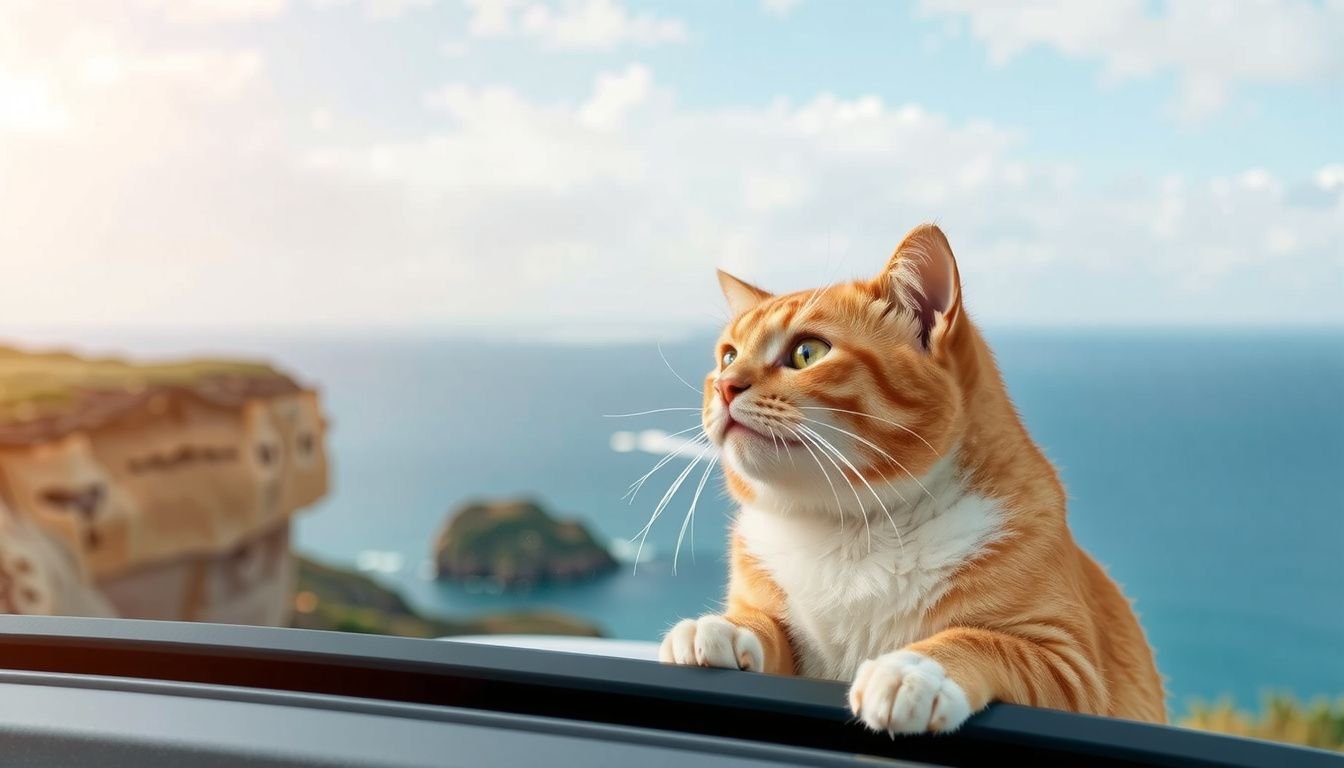
Do cats like car rides? Some do, many don’t, and your cat’s reaction can change over time. Cats are territorial and routine-driven, so a moving vehicle often feels like a loud, vibrating “unknown” that they can’t control.
If you’ve only seen your cat ride to the vet, you may assume all car trips are miserable—but that isn’t always true.
You can set realistic expectations, spot stress early, and build calmer trips with the right prep and setup. Look, you don’t need to turn your cat into a road-trip buddy; you just need safe, manageable rides when life requires them. Use the sections below as a step-by-step playbook, and if your cat struggles despite training, your vet can help.
Quick Facts Box
- Most cats: tolerate rides better with training, not “willpower.”
- Top stress triggers: carrier fear, motion, noise, unfamiliar smells.
- Best baseline setup: secure carrier + towel cover + stable temperature.
- Red flags: open-mouth breathing, drooling, vomiting, frantic escape attempts.
- Vet options: anti-nausea meds, anxiety meds, behavior plan (sedation is rarely first-line).
Do cats like car rides? What you can realistically expect
A small number of cats genuinely enjoy car rides, especially if they were exposed early and the trips lead to neutral or positive outcomes. Most cats, though, start out uneasy and may only learn to tolerate rides. That’s normal.
Your goal is lower stress and safer travel, not a purring passenger. With consistent practice, many cats go from panic to “annoyed but okay” within a few weeks. Expect progress in small steps: calmer loading, quieter meowing, less drooling, and faster recovery after the ride.
If your cat has a history of vomiting, intense fear, or aggression in the car, your expectations should be “manageable with help.” Training plus veterinary support often makes a dramatic difference.
Why your cat may dislike car rides (stress, motion, and noise)
Car rides combine several triggers at once: confinement, movement, and unpredictable sounds. For a prey-and-predator species that relies on control and familiar territory, that mix can feel threatening.
Common reasons cats dislike rides include:
- Carrier association: the carrier predicts the vet, needles, or scary handling.
- Motion sickness: nausea from inner-ear motion, especially in kittens.
- Noise/vibration: engine rumble, road bumps, horns, and bassy frequencies.
- Scent overload: fuel smells, air fresheners, other pets’ odor on seats.
When you reduce these triggers, you often reduce the behavior problems that come with them.
Signs your cat is comfortable vs. overwhelmed in the car
Cats rarely “act relaxed” the way dogs do, so you’ll need to watch for subtle body-language changes. A quiet cat isn’t always a calm cat; freezing can be a fear response.
Comfortable or coping signs:
- Normal breathing, soft eyes, ears not pinned flat
- Sitting or lying down with minimal shifting
- Occasional meows that settle within minutes
Overwhelmed signs that call for stopping and reassessing:
- Open-mouth breathing, heavy panting, or blue/pale gums
- Drooling, repeated swallowing, vomiting, or diarrhea
- Clawing at the carrier, frantic thrashing, or self-injury
How your cat’s age, personality, and past trips shape reactions
Kittens often get motion sickness more easily, but they can also learn faster with gentle exposure. Adult cats may take longer to adjust, especially if every past ride ended at the vet. Senior cats might have arthritis, nausea, or cognitive changes that make travel harder.
Personality matters. Confident, curious cats may tolerate novelty better, while cautious cats need slower steps and more predictability. Your cat’s “history file” is huge: one terrifying ride can create a lasting association.
If your cat has only ridden in emergencies, you’re starting with a negative baseline. You can still reshape it—just plan for more sessions and smaller wins.
How to prep your cat for the car before you ever start driving
Start by separating the carrier from “bad news.” Leave it out at home with the door open, soft bedding, and occasional treats inside. Feed a few meals near it, then inside it, so your cat chooses to enter.
Next, practice short “carrier moments” with no car involved:
- Close the door for 10–30 seconds, treat, then release
- Pick up the carrier, walk to another room, set it down, treat
- Gradually extend time and movement over days
Only when your cat stays relatively calm should you move to the parked car phase.
Choosing the right carrier and setup for a calmer ride
A stable, secure carrier is non-negotiable. It protects your cat in sudden stops and prevents dangerous roaming. Choose a hard-sided or sturdy soft-sided carrier that doesn’t collapse, with good ventilation and a wide opening.
For a calmer setup:
- Place a non-slip mat or towel under the carrier to reduce sliding
- Use familiar bedding that smells like home
- Cover 50–75% of the carrier with a light towel to block visual stress
Buckle the carrier with a seatbelt or wedge it on the floor behind the front seat so it can’t tip.
What you can do during the drive to reduce stress and nausea
Keep the environment predictable. Drive smoothly, avoid loud music, and maintain a cool, steady temperature. Crack a window only slightly; strong airflow and new smells can ramp up anxiety.
For nausea control, timing helps. Avoid a full meal right before travel; many cats do better with a small snack 3–4 hours prior. Bring paper towels and a spare towel in case of drool or vomiting.
Practical example: If your cat cries and drools on the way to the vet, run three “practice trips” in one week: sit in the parked car for 2 minutes with treats, then a 3-minute loop around the block, then a 5-minute drive that ends back at home with a favorite meal. You’re teaching your cat that car rides don’t always equal the clinic.
Common mistakes that make car rides worse for your cat
Many travel problems are created by well-meaning choices that increase fear or nausea. Fixing these often produces quick improvement.
- Only using the carrier for vet visits, which strengthens the negative association
- Letting your cat roam loose, increasing panic and injury risk
- Spraying strong scents (air fresheners, heavy cleaners) right before the trip
- Forcing the cat into the carrier head-first, escalating resistance
- Doing one long trip with no training, then wondering why it “failed”
Handle your cat calmly and efficiently. Your speed and confidence matter.
When to talk to your vet about anxiety, motion sickness, or sedation
If your cat vomits repeatedly, drools heavily, or panics despite gradual training, involve your vet. Motion sickness is medical, not “bad behavior,” and anxiety can be treated humanely.
Your vet may recommend:
- Anti-nausea medication for travel-related vomiting
- Anxiety medication for predictable stressful events (like long drives)
- A behavior plan paired with pheromones or calming supplements
Sedation isn’t a casual fix and can be risky in some cats. Ask for the safest option and a dose trial at home before any major trip.
Final Summary
Most cats don’t naturally love car rides, but many can learn to tolerate them when you reduce fear triggers and build positive associations. Start with carrier training at home, then progress to short, low-stakes car sessions before you attempt longer drives. Keep rides smooth, quiet, and cool, and watch for clear stress signals like open-mouth breathing, drooling, or vomiting.
If your cat’s reaction is intense or doesn’t improve, your vet can help with motion-sickness treatment and anxiety support. You’re aiming for safe transport and faster recovery after each trip—small improvements add up.
- Most cats: tolerate rides with training; a few enjoy them.
- Main triggers: carrier fear, motion sickness, noise, unfamiliar scents.
- Best prep: make the carrier a normal, reward-filled space.
- During the ride: secure the carrier, cover it partly, drive smoothly.
- Get vet help: if vomiting, panic, or severe distress persists.
Related read: Can Cats Get Car Sick? Signs, Causes, and What to Do