
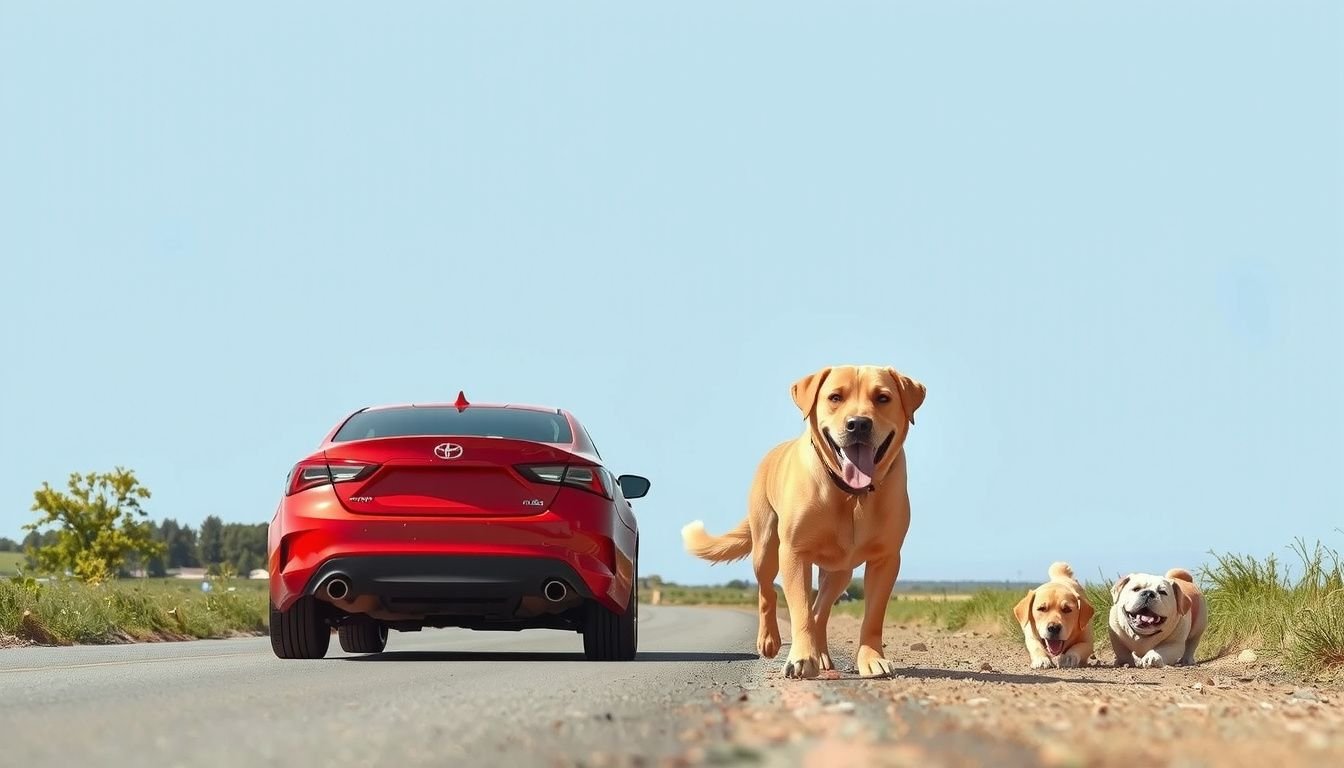
Ever found yourself wondering why do dogs chase cars every time you’re out for a walk or hear the neighbor’s pup barking at passing traffic? You’re not alone—this quirky behavior puzzles countless dog owners, and it’s more common than you might think.
If you’ve ever tightened your leash in a split second as your dog lunged toward a moving vehicle, you’ve experienced firsthand how instinctual and unpredictable this reaction can be. Dogs of all ages and breeds seem to share this impulse, whether they’re city dwellers or country roamers.
With years of experience helping pet owners decode animal behavior, I can assure you there’s real science and psychology behind these wild chases. We’ll break down the main reasons, show you how to spot triggers, and offer practical advice to keep your pup safe.
Ready to understand your dog’s mind a bit better? Let’s explore what really drives this classic canine chase—and how you can manage it starting today.
What Makes Dogs Chase Cars: Instincts and Triggers
Your dog’s urge to chase cars stems from powerful instincts. At their core, dogs are predators. Movement—especially fast, unpredictable motion—activates their prey drive.
When a car zooms past, your dog’s brain sees it as something to pursue, not unlike a squirrel or rabbit.
But it’s not just about instinct. Common triggers include boredom, pent-up energy, or a lack of proper stimulation. If your dog isn’t getting enough physical or mental exercise, that need for action can spill over into chasing cars.
Noisy engines or sudden starts and stops can also trigger excitement or anxiety, making the chase seem irresistible.
For example: Imagine you’re walking your border collie, and a car speeds by. The moment it passes, your dog bolts forward, eyes locked on the tail lights. That’s a classic mix of prey drive and environmental triggers at work.
- Prey drive – Rooted in hunting ancestry
- Boredom – Lack of activity or play
- Sudden movement or noise – Heightens excitement
How Your Dog’s Breed Affects Car-Chasing Behavior
Breed plays a huge role in how likely your dog is to chase cars. Some breeds, especially herding and working types, have a much stronger instinct to pursue moving objects. For example, border collies, Australian shepherds, and terriers are notorious chasers because their jobs historically involved controlling or chasing down animals.
On the flip side, breeds with lower prey drives—like bulldogs or basset hounds—are less inclined to give chase. But remember, any dog can pick up the habit if the environment or upbringing encourages it.
Let’s say you own a greyhound, a breed built for speed. If this dog spots a moving car, it might take off in a flash, relying on its natural sprinting ability. Knowing your dog’s breed traits helps you predict and manage chasing behavior more effectively.

- Herding breeds – High chasing instinct
- Sporting breeds – Energetic, may chase for fun
- Low-prey breeds – Less likely but not immune
Common Situations Where You Notice Car Chasing
You’ll often spot dogs chasing cars in very specific scenarios, even if you don’t notice a pattern at first. One classic situation is when you’re walking your dog along a busy street and a fast-moving vehicle suddenly zips by. That flash of motion triggers your dog’s natural chase response.
Another common setting is in suburban neighborhoods, where dogs have access to front yards or driveways. If a car passes by the house, especially at predictable times like the mail truck or school bus, some dogs will race along the fence or attempt to follow the vehicle down the street. This behavior is amplified if there’s a group of dogs, as the excitement is contagious.
Take Max, for example—a border collie who lives near a school. Every afternoon when cars line up for pickup, Max darts to the fence, barking and pacing, unable to resist the parade of moving targets. You’ll also see car-chasing behavior in parks or open spaces near parking lots, where unleashed dogs have more freedom to act on their impulses.
Risks and Dangers When Your Dog Chases Cars
When your dog chases cars, the risks are serious—often life-threatening. The most obvious danger is the potential for your dog to be hit by a vehicle, which can result in severe injury or death. Even if your dog doesn’t reach the road, darting toward traffic can cause drivers to swerve, leading to accidents involving other vehicles, cyclists, or pedestrians.
Chasing cars also puts your dog at risk of escaping your property or leash and becoming lost. If your dog is focused on a moving car, they’re likely to ignore traffic signals or commands, making it almost impossible to recall them in the heat of the moment.
Here’s a real-world example: A client’s Labrador once dashed after a speeding car, slipped his collar, and ended up in a stranger’s yard two blocks away—shaken but unharmed. Not every dog is so lucky. These risks highlight why managing this behavior is critical for your dog’s safety and the safety of others.
How to Spot Early Signs of Car-Chasing Tendencies
Recognizing the first hints that your dog might start chasing cars can help you tackle the problem before it becomes a habit. Look for intense focus whenever a vehicle passes—ears perk up, eyes lock, and body tenses. These subtle cues signal your dog’s interest in moving objects, long before the actual chase happens.
Other early signs include restlessness on walks near roads, sudden lunges toward passing bikes or joggers, and persistent pulling on the leash at the sight or sound of engines. Dogs may also vocalize, barking or whining as cars approach. Spotting these behaviors early gives you the best chance to redirect your dog’s attention.
Imagine you’re walking your young border collie and notice her freezing up, eyes glued to every passing sedan. She hasn’t chased yet, but these signs mean it’s time to act fast.
Training Techniques to Discourage Car Chasing
Once you spot those early signs, you’ll need strategies to steer your dog away from car-chasing. Start by teaching a solid “watch me” command—reward your dog for shifting attention to you whenever a vehicle approaches. This simple tool can make a huge difference in high-distraction settings.
Next, practice leash control using positive reinforcement. When your dog stays calm as a car passes, offer treats and praise. If excitement builds, calmly create distance between your dog and the road, then try again.
Consistency is key; daily repetition cements new habits.

For example, if your Labrador strains at the leash as cars whiz by, immediately ask for a “sit” and reward calm behavior. Over time, your dog starts to associate vehicles with positive interactions—rather than a chance to chase.
Safe Exercise Alternatives to Reduce Car Interest
Redirecting your dog’s chasing instincts into safe, structured exercise is one of the most effective ways to lower their fascination with moving vehicles. When you meet your dog’s need for physical and mental stimulation, you naturally reduce the urge to chase cars.
Try these alternatives:
- Fetch: Use a fenced yard or long leash in a park. This gives your dog a satisfying outlet for their chase drive without the dangers of traffic.
- Flirt Pole: A flirt pole mimics the unpredictability of car movement but in a controlled, safe way. It’s especially helpful for high-energy breeds.
- Agility Training: Setting up simple agility courses in your backyard or at a local training club engages your dog’s body and brain.
For example, if your Border Collie fixates on passing cars, daily flirt pole sessions can tire them out and satisfy their herding instincts, making cars less tempting.
When to Seek Professional Help for Your Dog
If your dog’s car-chasing persists despite consistent training and exercise, it’s time to consult a professional. Dogs that lunge at vehicles or cannot be distracted by treats and commands may need specialized support.
Consider reaching out if you notice:
- Your dog breaks free or escapes containment to chase cars
- Car-chasing behavior increases in frequency or intensity
- Your dog becomes aggressive or anxious around traffic
A certified dog trainer or veterinary behaviorist can assess underlying causes and design a custom training plan. For instance, a trainer may introduce desensitization techniques in a controlled environment, gradually teaching your dog to remain calm near cars.
Getting help early can prevent accidents and keep your dog, and others, safe.
Frequently Asked Questions About Dogs Chasing Cars
Questions about why do dogs chase cars are common, especially if you see this behavior in your own dog. Here are clear, expert answers to help you understand and respond effectively.
-
Is chasing cars a sign of aggression?
Not usually. Most dogs chase cars out of instinct or excitement, not due to aggression. It’s more about movement triggering their prey drive than wanting to attack. -
Can certain breeds be more prone to car chasing?
Yes. Herding and hunting breeds like Border Collies or Terriers are often more likely to chase moving objects, including cars, due to their natural instincts. -
Will my dog outgrow this behavior?
Rarely. Without intervention, this habit tends to persist. Regular training and redirection are necessary.
For example, if your neighbor’s Border Collie darts after every passing vehicle, it’s not personal—it’s their herding instinct in action.
The Bottom Line
Understanding why do dogs chase cars lets you see this behavior through your dog’s eyes—instinct, excitement, and sometimes anxiety all play a role. The good news? With patience and the right strategies, you can teach your dog safer habits and help them thrive.
Remember, you’re not alone. Many dog owners face this challenge, and those who act early see the quickest results. For example, one client redirected her Border Collie’s car-chasing obsession into agility training, transforming daily walks from stressful to fun.
If you’re noticing warning signs, stay proactive:
- Stay consistent with training routines.
- Offer plenty of stimulating activities that match your dog’s energy.
- Don’t hesitate to consult a professional if progress stalls.
Your next step? Assess your dog’s triggers, set up a safer exercise plan, and get support if you need it. Safety and peace of mind are within reach.