
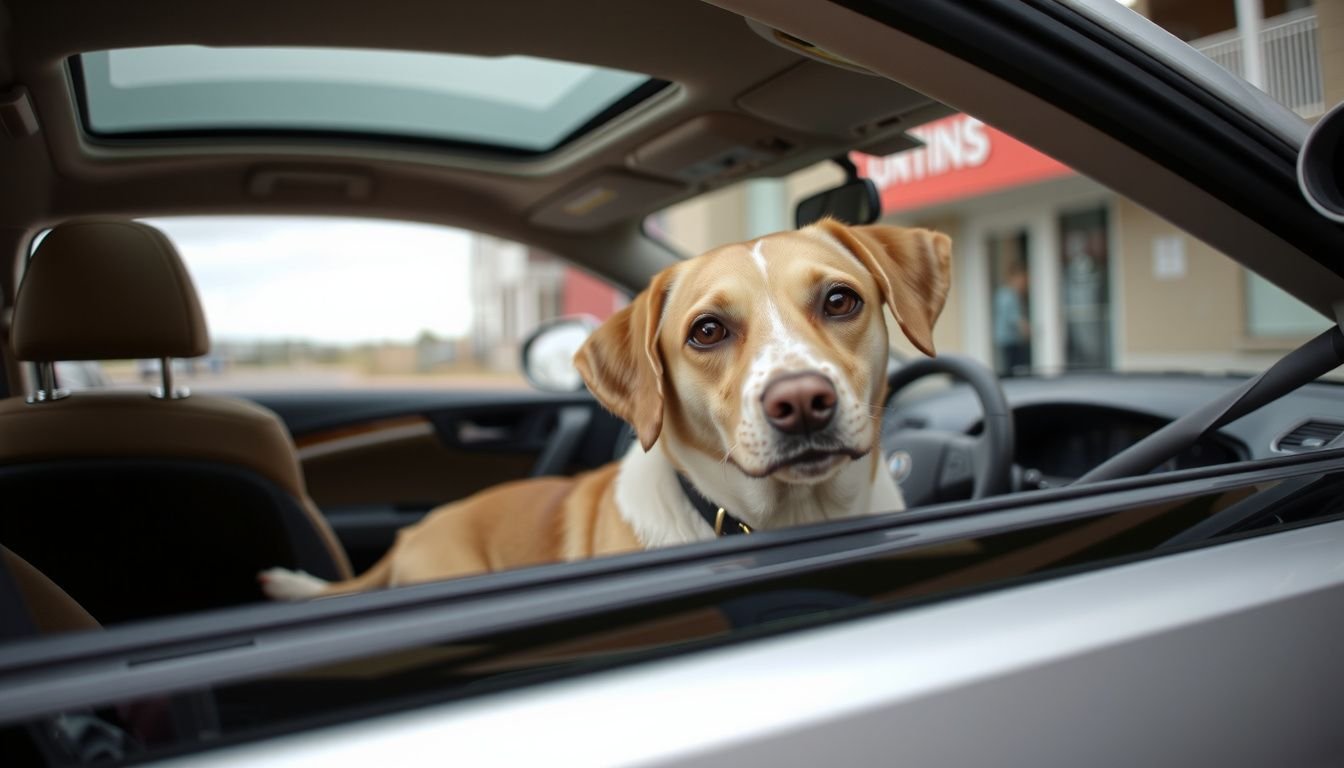
Is it illegal to leave a dog in the car? This question pops up often, especially in warmer months when pet safety becomes critical. Many pet owners may underestimate how quickly a parked vehicle can become dangerous for animals.
Legal experts and animal welfare organizations stress the importance of understanding both the health risks and the laws that exist to protect dogs. This guide outlines current regulations, highlights the dangers, and offers clear advice for anyone traveling with their pet. Readers will find straightforward tips, legal facts, and actionable steps that safeguard dogs and keep owners on the right side of the law.
If you want to stay informed and keep your dog safe, keep reading.
Introduction: The Dangers of Leaving Dogs in Vehicles
Leaving a dog in a parked car, even with the windows cracked, can be fatal within minutes. The temperature inside a vehicle can soar much faster than many realize. On a mild 70°F (21°C) day, a car’s interior can reach 100°F (38°C) in just 20 minutes.
Dogs are especially vulnerable because they cool themselves primarily by panting, making it harder for them to regulate body temperature in confined spaces.
Heatstroke can occur rapidly, causing organ failure and even death. Even on seemingly cool days, direct sunlight and poor ventilation create a dangerous environment. Cases of dogs suffering from heat stress in cars are reported every summer, driving home the need for vigilance and awareness.
The best rule: when in doubt, never leave a dog unattended in a vehicle.
Overview of Laws Regarding Dogs Left in Cars
Most U.S. states have enacted laws to address the issue of leaving animals unattended in vehicles. These laws typically prohibit leaving a dog in a car under conditions that endanger its health or safety.
Enforcement varies but can include fines, criminal charges, and even seizure of the animal by authorities.
Some states empower law enforcement—and, in certain cases, private citizens—to intervene if a dog is in immediate danger. The specifics depend on local statutes, but the underlying principle is consistent: owners are legally responsible for the well-being of their pets, even when away from the vehicle. Ignoring these laws can lead to significant legal and financial consequences.
State-by-State Variations and Common Legal Penalties
Laws against leaving dogs in cars are not uniform across the United States. While almost half the states and the District of Columbia have explicit statutes, others rely on broader animal cruelty laws to prosecute offenders. Penalties can range from warnings and modest fines to criminal charges, particularly if the dog experiences harm.
| State | Specific Law? | Penalties | Who Can Intervene? |
|---|---|---|---|
| California | Yes | Fines, misdemeanor charges | Police, certain civilians |
| Texas | No (general cruelty law) | Fines, possible jail | Police only |
| Florida | Yes | Fines, criminal charges | Police, civilians (under strict criteria) |
Check local regulations before traveling with pets, as ignorance of the law is not a valid defense.
Circumstances That Influence Legal Outcomes
Several factors can influence whether leaving a dog in a car leads to legal action. Authorities typically assess:
- Outside temperature and weather conditions
- Duration the dog was left alone
- Dog’s age and overall health
- Signs of distress or injury
For example, leaving a healthy adult dog in a car for five minutes on a cool day may not carry the same risk—or legal consequences—as leaving a puppy in a locked car on a hot afternoon. Intent is also considered; repeated offenses or clear disregard for animal safety can result in harsher penalties. Each case is unique, but authorities always prioritize the animal’s welfare.
Animal Welfare Concerns and Health Risks
The primary concern is the risk of heat exhaustion and heatstroke, which can develop rapidly. Dogs left in hot cars may suffer from:
- Heavy panting and drooling
- Disorientation and collapse
- Seizures or loss of consciousness
- Permanent organ damage
Even brief exposure can cause lasting harm. A practical example: In Phoenix, a dog left in a car for just 15 minutes during the summer required emergency veterinary care and did not survive. This tragic outcome is sadly common and highlights why animal welfare laws exist.
Prevention is the only safe strategy.
Safe Alternatives to Leaving a Dog in the Car
Pet owners have several options to avoid putting their dogs at risk:
- Bring the dog inside with you if permitted
- Leave pets at home, especially during extreme weather
- Use drive-thru or curbside services when traveling with pets
- Arrange for a pet sitter or doggy day care
If a stop is unavoidable, travel with another adult who can stay with the dog outside the vehicle. Many businesses now allow dogs or offer shaded, outdoor waiting areas. Planning ahead ensures the safety of pets without breaking the law or endangering their well-being.
What to Do If You See a Dog Left in a Vehicle
If someone spots a dog left alone in a car, quick action can save a life. Recommended steps include:
- Assess the dog’s condition and the environment
- Note the vehicle’s make, model, and license plate
- Contact local authorities—police or animal control—immediately
- Wait for help and monitor the dog’s status
Some states permit civilians to break a window if the animal is in clear, imminent danger, but this should be a last resort and only if permitted by law. Never walk away assuming someone else will help. Prompt intervention can mean the difference between life and death for the animal.
The Bottom Line
Leaving a dog in a car is not just risky—it can be illegal, depending on where one lives and the circumstances involved. Laws are becoming stricter as awareness of animal welfare grows. While the specifics may differ, the consensus among veterinarians, legal experts, and animal advocates is clear: never leave a dog unattended in a vehicle.
Take proactive steps to keep pets safe, and if in doubt, choose caution over convenience. Protecting animals isn’t just a legal obligation—it’s a moral one that responsible pet owners take seriously.