
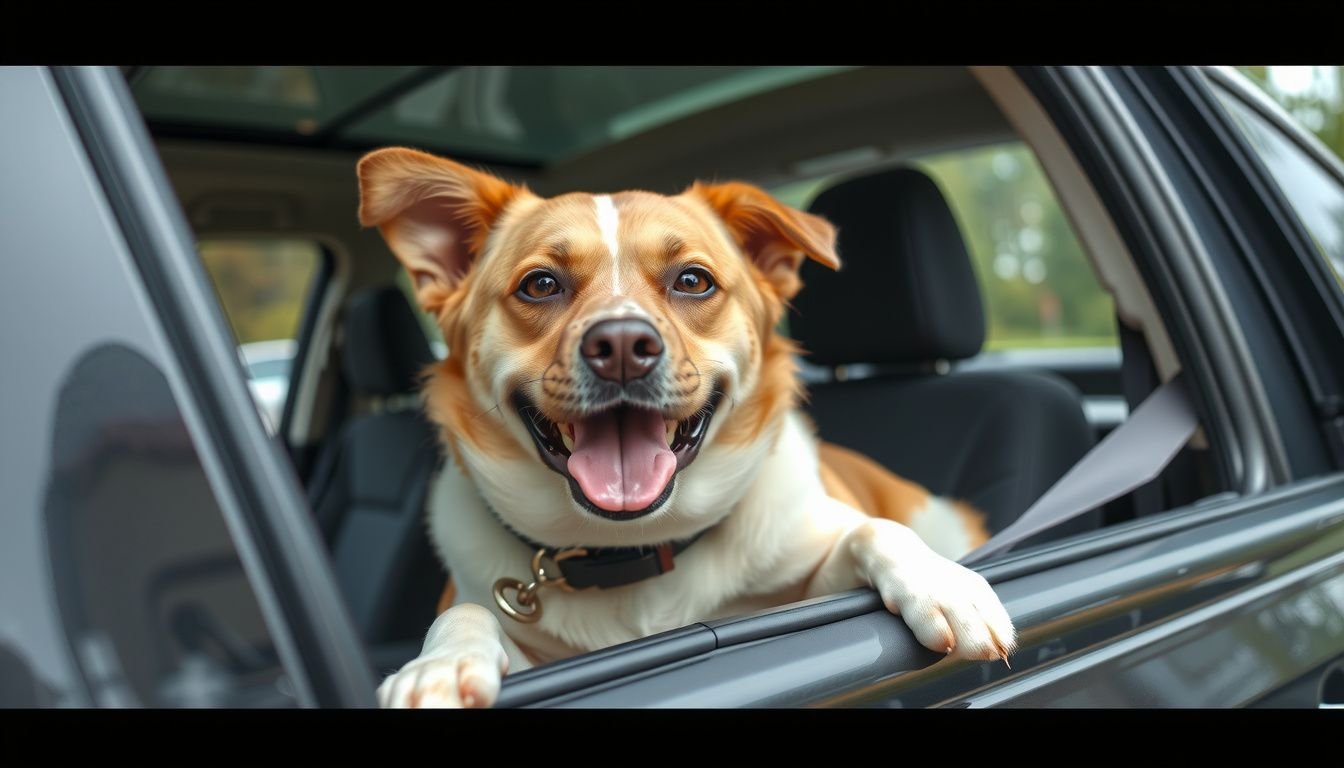
Knowing how to secure dog in car safely isn’t just about following the law—it’s about protecting your companion and everyone else on the road. A loose dog can distract you, interfere with driving, or even become a projectile in a crash. Choosing the right solution means you’re balancing safety, comfort, and practicality for your dog’s unique needs.
You’ll learn step-by-step how to assess, select, and use restraints, making every drive safer and smoother. Imagine this: You load your energetic Labrador for a weekend hike. Instead of nervously glancing back every few minutes, you see him calmly buckled in, relaxed, and you can focus on the road.
Ready to make that your reality? Let’s break it down.
Assess Your Dog’s Size and Travel Needs
Start by evaluating your dog’s breed, weight, and temperament. These factors drive which restraint will work best. Small breeds may fit well in carriers, but larger dogs often need harnesses or crates designed for their size.
Ask yourself:
- Will your dog travel often or only occasionally?
- Does your dog get anxious or carsick?
- Is your dog likely to chew or escape restraints?
Take accurate measurements—length, height, and weight. Manufacturers list sizing charts for restraints, so double-check your dog’s fit. If you’re unsure, consult your veterinarian for recommendations based on your dog’s health and behavior.
Choosing the right approach starts here.
Choose the Right Safety Restraint for Your Dog
Your options include dog seat belts, harnesses, travel crates, and car barriers. Each type comes with pros and cons, and suitability depends on your dog’s size and behavior.
| Restraint Type | Best For | Considerations |
|---|---|---|
| Seat Belt Harness | Medium–large, calm dogs | Must be crash-tested; fits most rear seats |
| Crate/Carrier | Small–medium, anxious dogs | Crate should be fixed in place; ensure ventilation |
| Barriers | Large dogs, SUVs | Blocks access to front seat, not crash-tested |
Look for crash-tested products. Not all restraints meet safety standards, so check for certifications from independent testing organizations. When in doubt, consult a pet safety specialist or your veterinarian.
Inspect and Prepare Your Vehicle
Before installing any restraint, check your car for anchor points, seat belt compatibility, and available space. Remove any loose items that could become hazards during sudden stops.
- Clean the back seat or cargo area
- Locate seat belt buckles and child seat anchors
- Identify flat, stable surfaces for crates or carriers
Some SUVs have built-in D-rings or cargo hooks for tethering crates. If you’re using a barrier, ensure it fits your car’s make and model. Prepping your vehicle in advance prevents last-minute surprises and keeps your dog’s area uncluttered and secure.
Install the Restraint System Correctly
Follow the manufacturer’s installation guide closely. Improper installation may reduce the effectiveness of even the best restraint.
- For seat belt harnesses: Thread the seat belt through the harness loop and click it into place. Tug firmly to confirm it’s secure.
- For crates: Position the crate on a flat surface, ideally behind the front seat or in the cargo area. Use straps or D-rings to anchor it firmly.
- For barriers: Adjust the barrier to fit snugly between the rear seat and cargo area so it cannot shift or tip over.
Pro tip: Check all straps, buckles, and fasteners for wear before each trip. A small tear can become a big risk in an emergency.
Introduce Your Dog to the Car Restraint
Take time to acclimate your dog to the new restraint. Let them sniff and explore it outside the car first. Offer treats and praise to create positive associations.
- Practice securing your dog in the restraint for short sessions while parked
- Gradually increase duration
- Reward calm behavior
If your dog is anxious, consider using a favorite toy or blanket inside the restraint. For extremely nervous dogs, speak with a trainer about desensitization techniques. The goal is to make car rides a low-stress experience for both of you.
Secure Your Dog in the Car Before Driving
Always secure your dog before you start the engine. Attach the harness, fasten the crate, or position the barrier while the car is parked and doors are closed.
Double-check:
- The restraint is snug but not restrictive
- Your dog can sit and lie down comfortably
- Nothing obstructs air vents or access to water
Never allow your dog to ride with its head out the window or in your lap. These habits may seem harmless but can lead to injuries or distractions. Safety comes first, every time.
Monitor Your Dog During the Trip
Keep an eye on your dog during the drive, especially during the first few trips with a new restraint. Watch for signs of distress, tangling, or overheating.
- Use a rearview mirror extension to check on your dog
- Take regular breaks for water and bathroom needs
- Never leave your dog unattended in a parked vehicle
On a recent road trip, a client noticed their dog chewing through a harness strap during a rest stop—a quick fix prevented a bigger problem. Stay alert to small issues before they escalate.
Maintain Safety and Comfort After Each Journey
After each trip, inspect the restraint system for signs of wear or damage. Clean harnesses, crates, and barriers regularly—dirt or loose hair can cause discomfort or malfunction.
- Wash removable covers and pads
- Check buckles and straps for fraying
- Store the restraint in a cool, dry place when not in use
Periodically reassess your dog’s fit as they grow or age. What worked for a puppy may not suit an adult dog. Staying proactive keeps your dog safe on every journey.
Putting It Into Practice
If you follow each step above, you’ll make every ride safer and more enjoyable for your dog—and yourself. Choosing the right restraint, installing it properly, and building positive travel habits may help prevent injuries and reduce stress for everyone in your car. Your dog’s needs may change over time, so check fit and comfort regularly.
If you’re unsure about any step, consult your veterinarian or a certified trainer for guidance. Safe travels start with preparation—so take action before your next trip.