
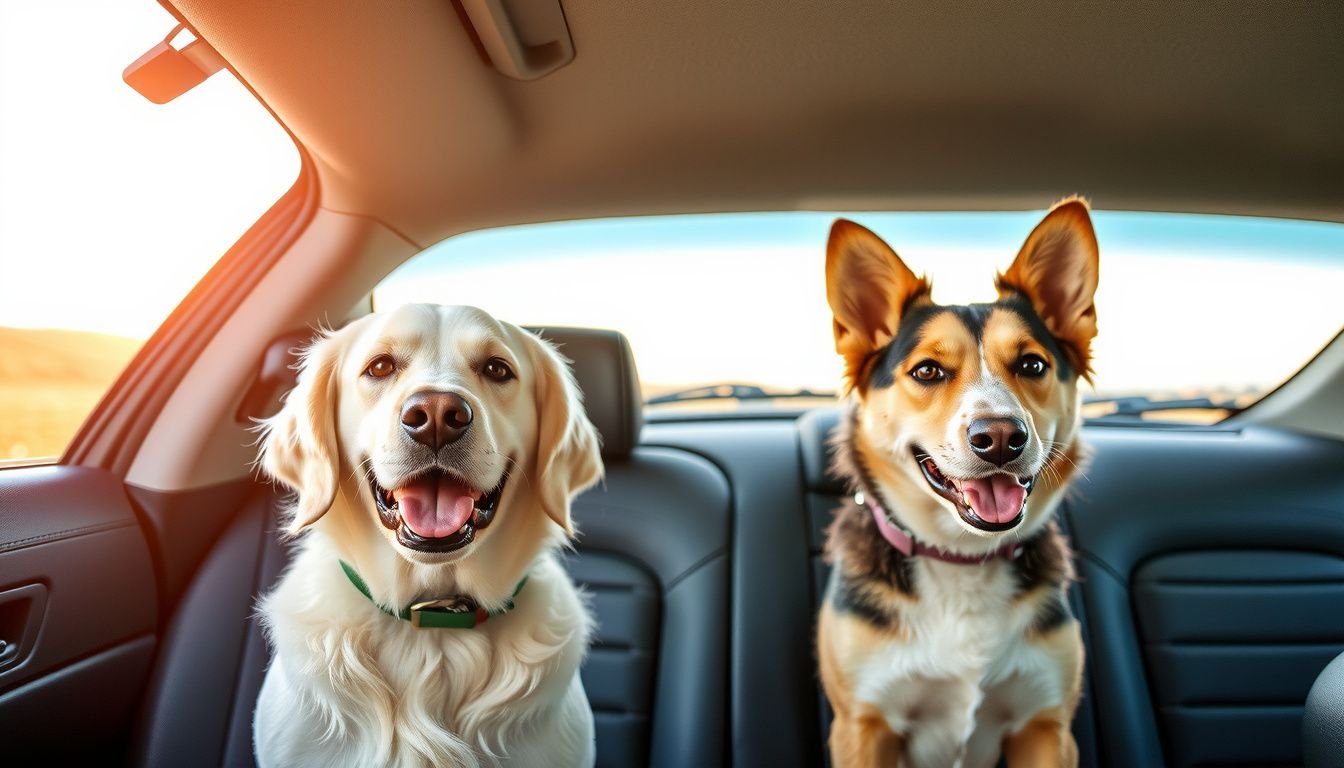
Ever wondered why do dogs like to ride in cars so much? You’re definitely not alone—most pet owners puzzle over what makes car rides so irresistible for their pups. Whether your dog is pressing its nose to the window or wagging excitedly at the sound of your keys, there’s real science and instinct behind this behavior.
As a pet care specialist, I’ve seen firsthand how car trips can light up a dog’s world. You’re about to discover what’s going on in your dog’s mind, how car rides benefit them, and how to make trips safe and enjoyable. Ready to become your dog’s favorite co-pilot?
Let’s get rolling.
The Fascination Dogs Have With Car Rides
Dogs are naturally curious, and a car ride is a ticket to an ever-changing landscape of sights, smells, and sounds. For many dogs, the car represents a portal to adventure—whether it’s a trip to the park, a hike, or just a new neighborhood. The novelty and unpredictability of each ride fuel their excitement and curiosity.
Imagine your dog’s life at home: the same rooms, the same backyard. A car ride is a break from routine, a sensory overload in the best way. You might notice your dog’s tail wagging, ears perked up, and body leaning forward, eager for what’s next.
That visible enthusiasm is your clue—car rides engage your dog’s drive for novelty and exploration.
How Car Rides Stimulate Your Dog’s Senses
Step into your dog’s paws for a moment. The world outside a moving car is a sensory feast. Windows down, and your dog’s nose goes into overdrive, processing hundreds of scents in seconds.
Dogs’ olfactory senses are up to 100,000 times more powerful than yours, so every gust of wind brings a new story.
It’s not just about smells. The blur of passing scenery, the hum of the engine, and the variety of sounds—all these stimulate your dog’s brain and keep boredom at bay. For some breeds, this kind of stimulation is crucial for mental health.
A simple car ride can tire out a high-energy dog faster than a walk around the block.
The Role of Bonding and Adventure in Car Rides
Car rides aren’t just about stimulation—they’re about togetherness. When your dog joins you on the road, it’s a special chance for bonding. You’re both in a confined space, sharing an experience, with your dog getting your full attention (at least between stoplights).
Adventure is a big part of the attraction. Dogs thrive on new experiences, especially when they’re with their favorite person. Every trip, no matter how short, feels like a mini-journey.
Picture this: you load up your dog for a weekend hike. The anticipation, the drive, the shared joy—it’s a memory for both of you. That’s the power of a car ride.
Why Movement and Scenery Appeal to Your Dog
Dogs are wired to respond to movement. The shifting scenery during a car ride means there’s always something new to focus on—squirrels darting, people walking, other cars zipping by. This constant change is invigorating, especially for breeds with a strong prey drive or herding instinct.
For many dogs, the rhythm and vibration of the car are soothing. It’s similar to how puppies find comfort in their mother’s heartbeat or a gentle rocking motion. The gentle sway and background hum can even lull anxious dogs into relaxation during the drive.
Associations With Positive Experiences
Your dog quickly learns to associate the car with good things—walks, treats, visits to friends, or the dog park. This positive reinforcement makes car rides something to look forward to. Over time, even the sound of your keys can trigger excitement because your dog expects a fun outing.
Look at it from your dog’s perspective: if most rides end in joy, the car becomes a magical transport to happiness. That’s why some dogs will beg to hop in the car even if you’re just checking the mail.
Addressing Anxiety: Not All Dogs Love the Car
Of course, not every dog is a road trip enthusiast. Some dogs associate the car with stressful events, like vet visits, or they may get motion sick. Signs of car anxiety include drooling, whining, trembling, or attempts to escape.
If your dog dreads the car, start slow. Let them explore the car while it’s parked, reward calm behavior, and gradually build up to short drives. Sometimes, using favorite toys or treats can help create positive associations over time.
If anxiety persists or worsens, consult your veterinarian for tailored advice.
Safety Tips for Riding in the Car With Your Dog
Your dog’s safety is non-negotiable. Always secure your dog with a crash-tested harness, carrier, or dog seatbelt. Never let them ride unrestrained in the front seat or stick their head out the window—debris and sudden stops can cause injury.
- Keep pets in the back seat for maximum safety.
- Never leave your dog alone in a parked car—temperatures can become dangerous fast.
- Bring water, a leash, and waste bags for longer trips.
Take frequent breaks on road trips for bathroom breaks and a bit of exercise. With the right prep, every ride can be both fun and safe.
Making Every Car Ride Enjoyable for Your Dog
Turn car trips into a highlight of your dog’s week. Start with short, low-stress drives that end somewhere fun, like a park or a friend’s house. Keep the car comfortable—windows cracked for fresh air, but not wide enough for escape, and never too hot or cold.
Bring along a favorite toy or blanket for comfort. Reward calm behavior with treats or praise during and after the ride. Here’s a real-world tip: one client’s anxious beagle relaxed significantly when they played soft music and gave him a chew toy during rides.
Little touches like these can make a world of difference.
The Bottom Line
So, why do dogs like to ride in cars? It’s a mix of sensory stimulation, shared adventure, positive associations, and the sheer thrill of novelty. When you make car rides safe and enjoyable, they can become one of your dog’s favorite activities—and a bonding experience you’ll both cherish.
Remember, start slow if your dog is nervous, prioritize safety, and always end the ride on a positive note. Buckle up, roll down the windows (just a bit), and enjoy the journey together.