
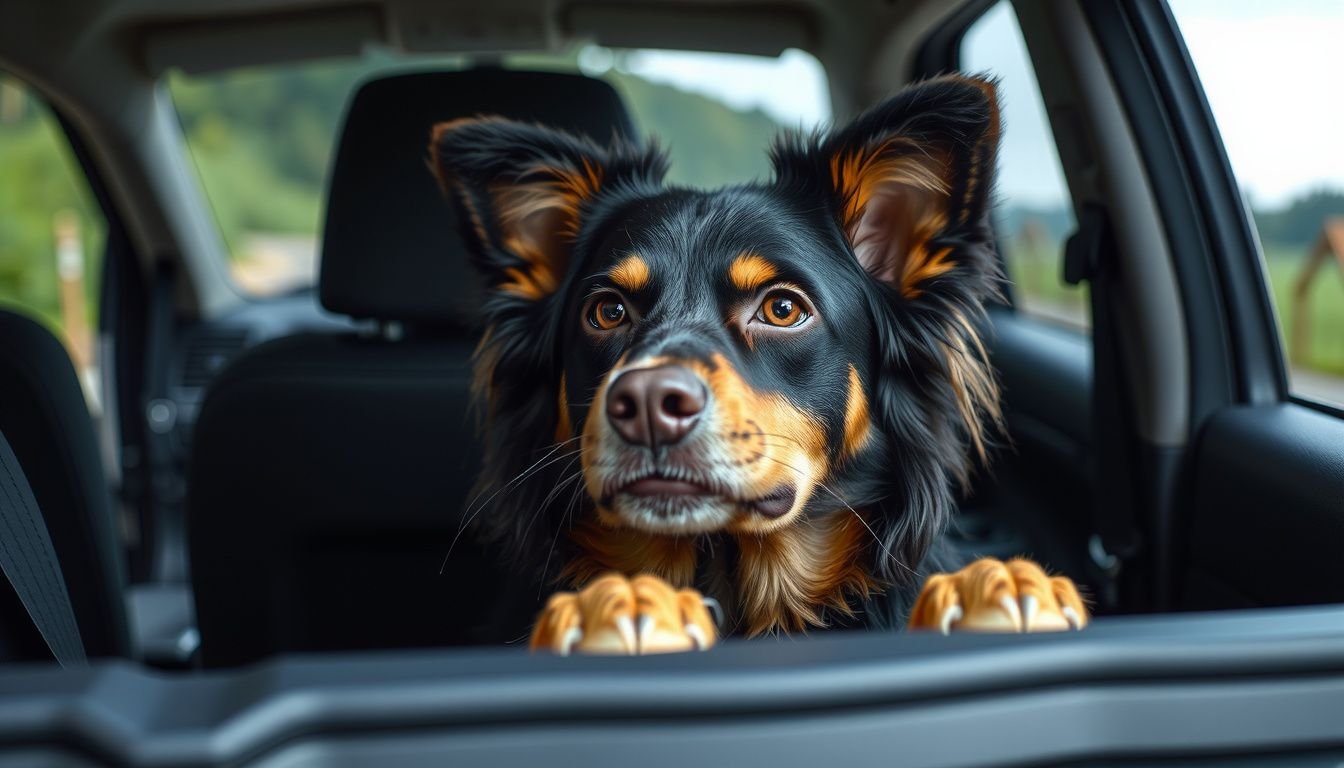
Ever wondered why do dogs drool in the car even if they’re perfectly dry-mouthed at home? This is a common question from pet owners, especially if your furry friend turns car rides into a drool-fest. As a canine behavior expert, I’ll walk you through the most likely reasons, how to tell if it’s normal, and what you can do about it.
By understanding the causes, you’ll be better equipped to keep your dog comfortable—and your car a little cleaner. Let’s help you enjoy stress-free drives with your canine companion.
- Common causes: Motion sickness, anxiety, excitement, breed, and health issues
- Normal vs. abnormal: Mild drooling is typical; excessive drooling may need attention
- Management: Short rides, open windows, calming aids, training
- When to worry: Sudden excessive drooling, vomiting, or behavioral changes
What Makes Dogs Drool in the Car?
Drooling during car rides is a natural reaction for many dogs. The main triggers include motion sickness, stress, excitement, and breed tendencies. When your dog hops in the car, their senses go into overdrive—unfamiliar smells, sights, and the sensation of movement all play a role in stimulating saliva production.
Some dogs associate car rides with positive experiences, like trips to the park, while others remember stressful events, such as vet visits. Both scenarios can cause drooling, but for different reasons. Recognizing these triggers is the first step to managing your dog’s comfort and reducing mess during travel.
Recognizing Normal vs. Excessive Drooling
It’s normal for dogs to drool a little, especially when they’re excited or slightly anxious. However, excessive drooling—where saliva pours from the mouth, soaks the car seat, or is accompanied by other symptoms—may signal an underlying problem.
Watch for warning signs like:
- Sudden increase in drooling compared to usual
- Drooling paired with vomiting or diarrhea
- Changes in behavior, such as whining, pacing, or hiding
If you notice any of these, it’s time to look closer at possible causes or consult your veterinarian.
Motion Sickness: A Common Culprit
Motion sickness is one of the top reasons dogs drool in the car. Just like people, dogs can feel queasy from the movement and vibration of a moving vehicle. This causes nausea, which in turn triggers drooling as the body prepares to vomit.
Puppies and younger dogs are especially prone to motion sickness because their inner ear structures—responsible for balance—are still developing. If your dog licks their lips, pants, or looks uneasy before drooling, you’re likely dealing with car sickness.
Practical example: Bailey, a 1-year-old retriever, starts drooling heavily within five minutes of a car ride, then vomits if the trip is longer than 20 minutes.
Anxiety and Stress Triggers in the Car
For some dogs, car rides aren’t fun—they’re stressful. Stress and anxiety can make your dog pant, whine, tremble, and yes, drool. This is especially true if your dog associates the car with negative experiences like vet trips or being left alone.
Common signs of anxiety-driven drooling include:
- Refusing to get in the car
- Shaking, whining, or barking
- Drooling before the car even starts moving
Reducing anxiety with positive reinforcement, familiar blankets, or calming treats can help ease these symptoms.
Excitement and Anticipation Effects
Some dogs drool not from fear or sickness, but sheer excitement. If your dog loves car rides and expects a trip to their favorite park, their arousal levels spike—leading to increased saliva production.
Look for:
- Tail wagging, jumping, or barking
- Drooling that starts as soon as the car door opens
- Restlessness, but with happy body language
While this type of drooling is generally harmless, it can be managed by establishing a calm routine before car rides.
The Role of Breed and Health Factors
Certain breeds are simply more prone to drooling, regardless of the situation. Saint Bernards, Mastiffs, and Bulldogs have loose jowls and naturally produce more saliva. In these breeds, a little extra drool in the car is normal.
However, sudden or extreme drooling in any breed may point to a health issue, such as dental disease, oral injuries, or even heatstroke. Watch for other signs like bad breath, loss of appetite, or lethargy—these warrant a veterinary check.
| Breed | Drool Tendency | Car Drool Risk |
|---|---|---|
| Saint Bernard | Very High | High |
| Bulldog | High | High |
| Labrador Retriever | Low | Low |
| German Shepherd | Low | Low |
How to Minimize Your Dog’s Drooling During Car Rides
You can take practical steps to reduce your dog’s drooling in the car:
- Short practice trips: Gradually increase ride length to build tolerance.
- Ventilation: Crack the window for fresh air but keep it safe.
- Comfort items: Bring a favorite toy or blanket for reassurance.
- Feed wisely: Avoid feeding right before travel to prevent nausea.
- Calming aids: Use pheromone sprays, anxiety wraps, or gentle music.
Never punish your dog for drooling—focus on positive experiences and patience.
When to Seek Veterinary Advice for Drooling
Sometimes, drooling in the car is more than a simple nuisance. Contact your veterinarian if you notice:
- Sudden or severe drooling that’s out of character
- Drooling with vomiting, diarrhea, or lethargy
- Signs of pain, trouble swallowing, or mouth injuries
Veterinary intervention ensures underlying issues like dental disease, infections, or poisoning are ruled out. When in doubt, always err on the side of caution—your dog’s health comes first.
60-Second Recap
- Dog drooling in the car is common; main causes include motion sickness, anxiety, excitement, and breed traits.
- Recognize normal vs. concerning drooling by watching for sudden changes or other symptoms.
- Address motion sickness and anxiety with gradual training, ventilation, and comforting items.
- Breeds with loose jowls drool more—expect some mess if you have a Saint Bernard or Bulldog.
- Seek veterinary help for excessive, sudden, or unusual drooling—especially with other symptoms.
- With a little patience, you can help your dog enjoy car rides and keep those seats a bit drier.