
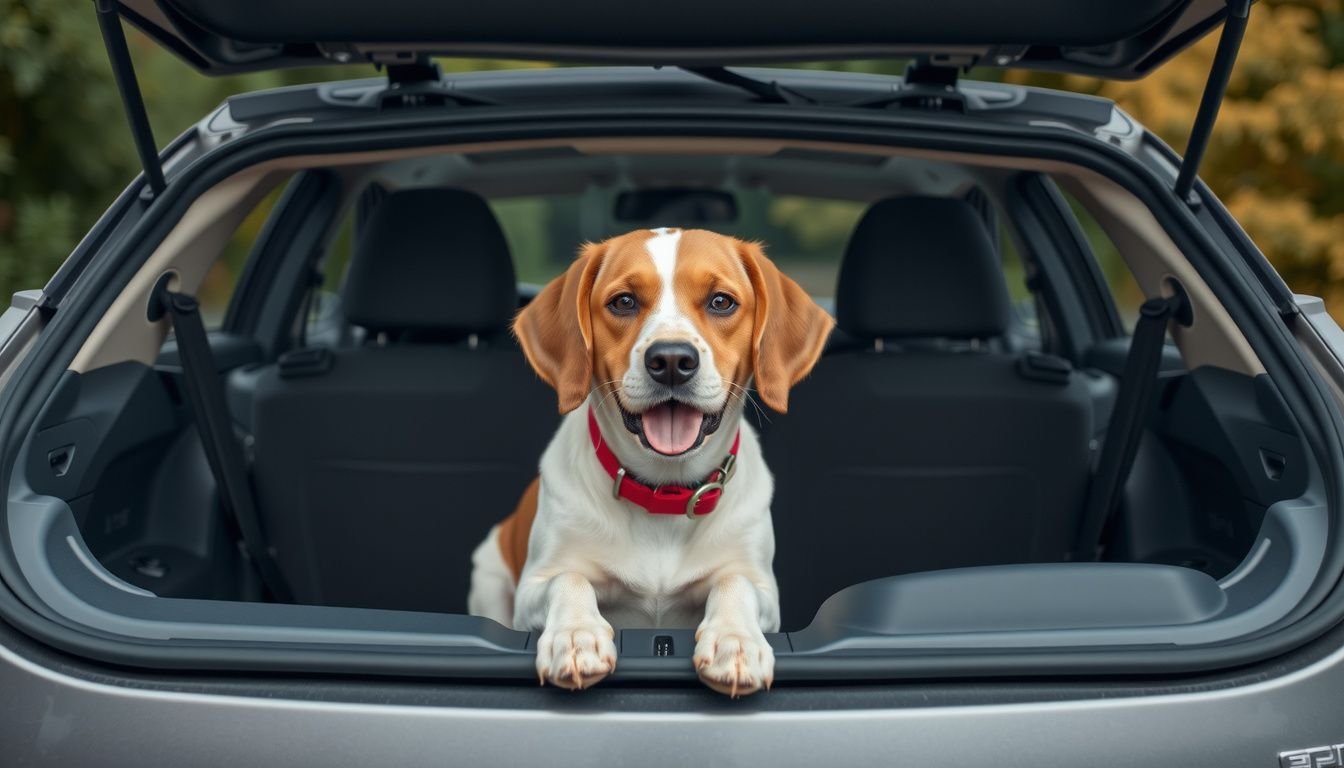
Ever wondered, is it legal to leave a dog in the car? You’re not alone—many pet owners wrestle with this question during errands or road trips. The laws aren’t always straightforward, and what’s okay in one state could be illegal in another.
As a responsible dog owner, you want to make sure you’re not putting your pet or yourself at risk by making the wrong call. Here, you’ll learn how the law views leaving dogs in cars, why it’s risky, and smart alternatives to keep your furry friend safe. Stick with me, and you’ll know exactly what to do—and what not to do—next time you’re out with your dog.
- Most U.S. states have laws restricting leaving pets in vehicles.
- Temperatures inside cars can become dangerous in minutes—even on mild days.
- Penalties can include fines, criminal charges, and animal removal.
- Emergency responders in some areas may legally break into cars to rescue pets.
- Safer options: Leave your dog at home or bring them inside with you.
Understanding the Law: Can You Leave Your Dog in the Car?
You might be surprised by how complex the answer to “is it legal to leave a dog in the car” can be. In the U.S., there’s no single federal law on this issue. Instead, each state—and sometimes each city—sets its own rules.
Many states have made it illegal to leave pets in vehicles if it endangers their health or safety. Even if you crack a window or park in the shade, you could still be breaking the law if conditions pose a risk to your dog.
Ignorance won’t protect you from penalties. It’s your responsibility to check local laws before you leave your dog unattended in a car, even for a few minutes. Look up your area’s specific regulations or ask animal control for guidance.
Why Leaving a Dog in the Car Can Be Dangerous
Leaving your dog in the car, even briefly, can be life-threatening. Cars heat up much faster than you’d think. On a 70°F (21°C) day, the inside of a vehicle can reach over 100°F (38°C) in just 20 minutes.
Dogs don’t sweat like humans, so they overheat quickly.
Symptoms of heatstroke in dogs include excessive panting, drooling, lethargy, and collapse. Permanent organ damage or death can occur in a shockingly short time. Even on cool days, direct sunlight or humidity can create unsafe conditions.
Your dog’s breed, age, and health status also affect their vulnerability.
State and Local Variations in Pet Car Laws
Laws regarding dogs in cars vary widely across the U.S. Some states, such as California and Arizona, have clear statutes making it illegal to leave pets in cars under dangerous conditions. Others leave the issue up to local ordinances.
| State | Specific Law? | Who Can Intervene? |
|---|---|---|
| California | Yes | Police, citizens (with limits) |
| Texas | No state law | Local ordinances may apply |
| New York | Yes | Police, animal control |
Always check both state and city codes, since penalties and rescue rights vary.
Common Exceptions and Special Circumstances
Some areas allow exceptions under very specific conditions. For example, some laws permit leaving a dog in the car if the vehicle is running with air conditioning and the conditions are monitored. However, these exceptions can be risky—mechanical failures or unexpected delays could still endanger your dog.
Service animals may be treated differently in certain jurisdictions if left unattended for short periods. Still, most laws focus on the animal’s safety, not the owner’s intent. When in doubt, err on the side of caution.
Potential Legal Penalties and Consequences
If you leave your dog in the car illegally, you could face:
- Fines ranging from $50 to over $1,000, depending on the state and severity.
- Misdemeanor or felony charges if your pet is harmed.
- Animal removal by authorities or even bystanders (where Good Samaritan laws apply).
Beyond legal trouble, you risk public backlash and damage to your reputation. If your dog suffers harm, you could also face a ban on owning pets in the future.
What to Do If You See a Dog Left in a Car
If you spot a dog alone in a car and suspect danger, act quickly but responsibly. First, try to locate the owner—ask nearby businesses or page them if possible. If the dog appears in distress, call local animal control or the police immediately.
Some states have “Good Samaritan” laws allowing you to break a window to rescue the dog, but these usually require you to contact authorities first and only act if the animal is in immediate danger. Always follow local guidance to avoid legal trouble yourself.
Alternatives to Leaving Your Dog in the Car
Instead of risking your dog’s safety, consider:
- Leaving your dog at home when running errands.
- Bringing a friend to stay with your dog in the car (with proper ventilation and monitoring).
- Visiting pet-friendly stores or restaurants.
One practical example: If you’re grocery shopping, use curbside pickup or delivery services so your dog never has to wait in the car.
Tips for Responsible Pet Owners
Keep your dog safe—and avoid legal trouble—by following these tips:
- Plan your trips to limit time your dog spends alone in the car.
- Monitor weather and temperature, even if you’re only stepping away briefly.
- Educate family and friends about the risks of leaving pets in vehicles.
- Keep emergency contact numbers for local animal control handy.
Your dog relies on you for their safety. Make choices that protect their health and well-being.
Frequently Asked Questions About Dogs in Cars
Can I leave my dog in the car with the windows cracked?
No. Cracked windows do little to reduce internal vehicle temperature or humidity.
What about short stops?
Even a few minutes can be dangerous, especially in warm or sunny conditions.
Is leaving the air conditioning on a safe solution?
Not always—engines can stall or AC can fail. Never rely solely on technology to protect your dog.
Final Summary
Knowing the answer to “is it legal to leave a dog in the car” means understanding both the law and the risks. Laws differ from state to state, but your responsibility is universal: never put your dog at risk. Heatstroke and legal penalties can happen in minutes.
Instead, plan ahead, use safe alternatives, and always put your dog’s safety first. If you’re ever unsure, err on the side of caution and leave your pet at home. That way, you’ll avoid legal trouble—and keep your best friend safe.