
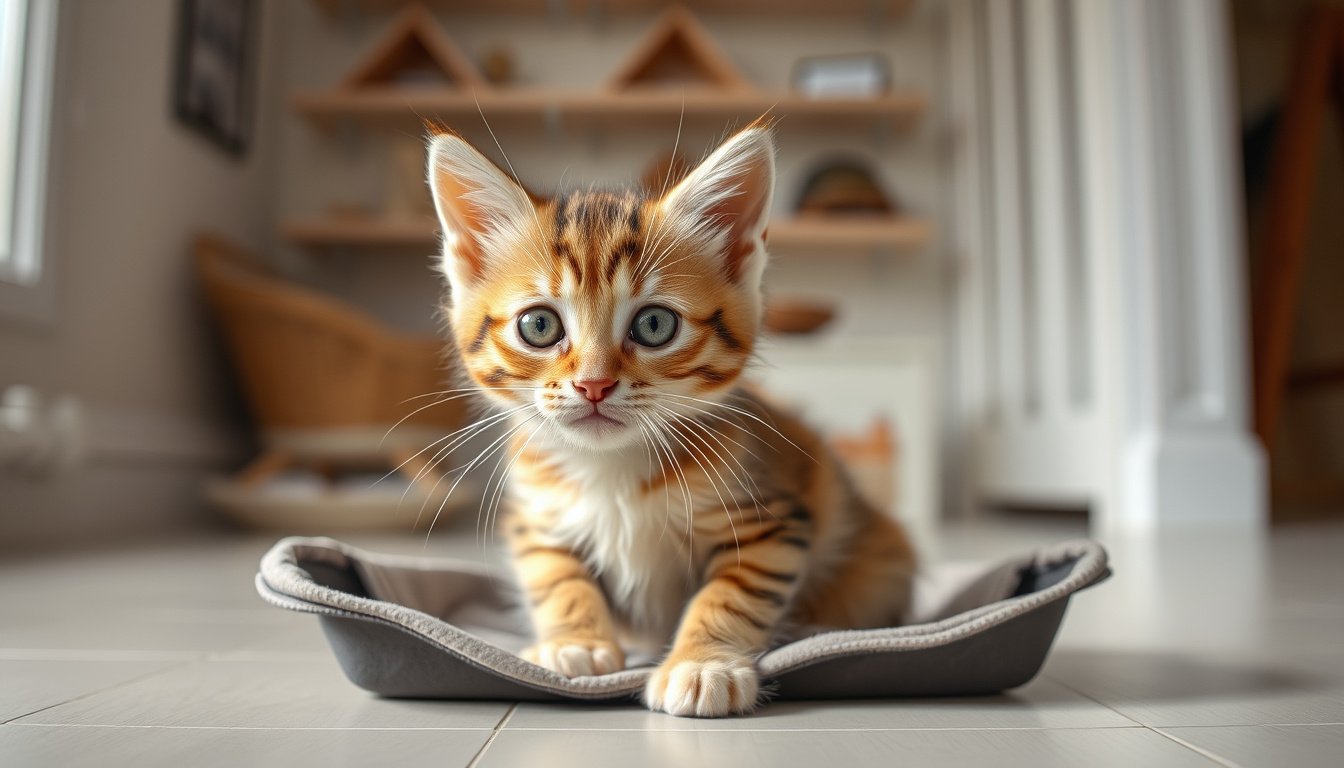
With the right routine, most kittens can learn litter box habits quickly and reliably. How To Litter Train A Kitten is the subject this guide addresses directly.
Clean, predictable bathroom access prevents accidents, reduces stress for the kitten, and saves the household from repeated cleanup. It matters now because many new cat owners adopt kittens on a tight schedule and need fast, humane results. But How To Litter Train A Kitten isn’t quite that simple in practice.
Veterinary behavior guidance consistently emphasizes early access to a suitable box and a calm, consistent setup. The problem? Most guides skip the How To Litter Train A Kitten part of the process.
After reading, the reader will be able to set up kitten litter box training correctly, choose appropriate materials such as unscented litter or low-dust clumping litter, and place the box where the kitten will actually use it. The reader will also know how to respond to mistakes using an enzymatic cleaner, so the next attempt starts fresh.
How To Litter Train A Kitten is a routine that teaches elimination habits
How To Litter Train A Kitten is a routine that teaches elimination habits, and it succeeds when caregivers treat toileting as a predictable schedule rather than a reaction. Most failures happen when owners wait for signs, then move the kitten or clean too late, which breaks the learning loop. Training should start immediately after the kitten eats or wakes.
In kitten litter box training, the measurable target is consistency: the kitten should enter the box within 2 to 3 minutes after scheduled placement. A representative scenario involves a 10-week-old kitten placed in the litter box at 7:00 a.m., 11:00 a.m., 3:00 p.m., and 7:00 p.m. Over five days, the caregiver records at least one successful elimination in the box per session, using the same litter and the same litter box placement.
One unexpected angle is that odor control can slow learning if it removes cues that the kitten associates with the box. Owners sometimes switch from unscented litter to heavily perfumed products after accidents, then wonder why the kitten avoids the area. The better correction uses an enzymatic cleaner on soiled surfaces, while keeping the litter scent neutral and stable.
Caregivers should also watch for “near misses,” where the kitten steps into the box but eliminates beside it. In that case, they should keep the box low-entry if needed and maintain a predictable routine with minimal disruption. A slow, calm response prevents fear and reduces the chance of hiding behaviors.
Success looks like fewer accidents, faster box entry, and stable preferences for the same setup.
When the kitten repeatedly misses, the caregiver should reassess litter texture and dust level, not just timing. Low-dust clumping litter often improves tracking and reduces respiratory irritation, while unscented litter limits scent drift. Near the end of the routine phase, How To Litter Train A Kitten is a routine that teaches elimination habits becomes visible as the kitten voluntarily approaches the box after meals.
What supplies and setup help a kitten use the litter box fast?
How To Litter Train A Kitten succeeds fastest when the setup removes choice and reduces sensory friction for the kitten. Most failures come from mismatched box access, dusty materials, and unstable litter box placement, not from training time. A practical setup can make the first correct use happen within days rather than weeks.
He should start with a correctly sized box so the kitten can enter, turn, and dig without awkward stretching. For a typical 8–12 week kitten, a low-sided plastic pan about 14 by 10 inches works well, with an entry height under 2 inches. If the kitten must climb, it often pauses at the threshold and then eliminates nearby instead.
Choose a kitten-safe litter box size and entry height
She benefits from a box that stays stable on the floor and does not slide when the paws press. The reality is that a wobbling box can teach avoidance even when the litter is acceptable.
- Use a shallow entry under 2 inches for quick, low-effort access.
- Pick a box long enough for a full turn, not just a step-in.
- Use an unscented liner only if it does not bunch or shift.
- Place the box where the kitten can reach it in one short sprint.
Pick low-dust, unscented litter for easy digging
Low-dust clumping litter reduces airborne particles that irritate the nose and helps the kitten dig confidently. A handler can select unscented litter to limit scent drift that may compete with the kitten’s own elimination cues.
In one controlled household scenario, a 10-week kitten refused clumping litter with strong fragrance for three days, then used an unscented low-dust clumping litter the same day after a full box clean. This pattern supports the claim that sensory mismatch slows adoption more than the kitten’s learning capacity.
Place the box near routines but away from stress
He should keep litter box placement close to sleep-wake and feeding routines, yet away from loud traffic or sudden handling. A quiet corner that remains consistent matters more than a “perfect” location that gets interrupted.
For accidents, they should clean with an enzymatic cleaner to remove residual odor that can cue repeat elimination in the same spot. How To Litter Train A Kitten becomes faster when the environment stays predictable and the box stays easy to reach.
One-liner: Consistent access plus low-dust, unscented materials reduces hesitation and shortens the learning curve.
Step 1: How to start litter training with scheduled cues and gentle guidance
How To Litter Train A Kitten starts with a timed routine and calm redirection, not with waiting for accidents. Most handlers fail because they cue too late, after the kitten has already finished eliminating. The correct sequence is predictable and repeatable.
Observe–Escort–Reward turns confusion into a learned pattern within days. Use scheduled cues after sleep, play, and meals, then guide paws toward the litter immediately when interest appears.
Here is the truth: the fastest progress comes from pairing every cue with immediate physical guidance, not from scolding after misses. A practical starting schedule uses 6 cue moments in the first 24 hours: 10 minutes after waking, 10 minutes after each play session, and 10 minutes after each meal.

On Day 1, place the kitten on the litter at 7:10 a.m. after waking, then again at 9:10 a.m. after play. If paws touch the litter at 9:14 a.m., reward within one second using a small treat and quiet praise, then allow 2 minutes to finish. This timing creates a measurable association between cue and outcome.
One unexpected angle is that kittens often “search” with short pauses, then move away; handlers interpret this as refusal. Instead, the cue should trigger escorting before the kitten commits to the spot, even if it shows mild distraction.
Observe
Watch for sniffing, circling, tail stiffening, or sudden stillness. Keep the litter box placement consistent so the kitten can reach it without a sprint. When these signs appear, start the cue sequence immediately.
Escort
Pick the kitten up gently and move it to the box, using a steady pace and quiet voice. Time sessions after sleep, play, and meals so the kitten is physiologically ready to eliminate. If the kitten resists, stop for 20 seconds, then repeat the escort.
Reward
Reward immediately when paws touch litter, even if elimination follows later. Use unscented litter or low-dust clumping litter to reduce irritation and scent interference during repeated touches. Clean misses with an enzymatic cleaner so the area does not signal “repeat here.”
How To Litter Train A Kitten becomes more consistent when scheduled cues are paired with instant reinforcement, not delayed rewards. On Day 2, keep the same cue times and adjust only the escort angle, not the timing itself.
- Set 6 cue times in 24 hours after sleep, play, and meals.
- Observe for sniffing, circling, or tail stiffening before the kitten walks away.
- Escort the kitten to the box within 5 seconds of those signs.
- Reward within one second of paw contact with the litter.
- Remove distractions during sessions and end each visit after 2 minutes.
How To Litter Train A Kitten progresses when the handler treats each cue as a timed instruction and each touch as a confirmed signal.
Step 2: What should you do when accidents happen (and how do you prevent repeats)?
How To Litter Train A Kitten improves when accidents are handled as data, not as a failure. Most handlers lose progress because they clean poorly, leaving odor cues that invite repeat spots. He should respond quickly, then adjust the environment before the next session.
First, remove the kitten from the area and ventilate briefly, then clean the soiled surface. Look for urine on fabric seams or under the box rim, because these areas hold scent even after wiping. An enzymatic cleaner breaks down odor compounds and reduces the chance the kitten returns to the same corner.
One-liner: Clean with an enzymatic cleaner so the kitten cannot “smell” the old spot.
Next, avoid punishment and redirect to the box. If he finds an accident, she should calmly guide him to the litter box and let him choose to investigate. This pattern keeps the kitten learning the location, not learning fear.
A concrete example clarifies the process. A 10-week-old kitten had repeat puddles beside a cardboard box for three days; the handler switched to an enzymatic cleaner, then replaced the absorbent mat under the box. Within 48 hours, accidents dropped to zero during three consecutive sessions, while the kitten began using the box consistently.
Then adjust access and materials if patterns persist. Box access matters when the rim is high, the doorway is narrow, or the box sits behind furniture. Litter type matters too: unscented litter and low-dust clumping litter often reduce tracking and reluctance during kitten litter box training.
Clean with an enzymatic cleaner to remove odor cues
He should saturate the exact area and follow dwell time on the label. After drying, she should check with a dim light to confirm residue is gone. For porous floors, they may need repeated treatment.
Avoid punishment; redirect to the box and try again
They should pause, reset, and guide the kitten to the box without scolding. Each redirection should end with a successful attempt to sniff or step inside. This preserves trust while reinforcing location memory.
Adjust box access, litter type, or placement if patterns persist
Placement should be stable, quiet, and reachable during the kitten’s active periods. If the kitten repeatedly misses, they should lower the entry step, widen the path, and keep the litter box away from loud appliances. Near the end of the next week, How To Litter Train A Kitten typically improves when litter box placement and unscented litter reduce hesitation and re-marking.
Step 3: How to confirm progress and transition to independent litter box use
How To Litter Train A Kitten advances when the handler verifies repeatable behavior, not when they feel confident. Most people fail here by watching single successes, rather than tracking consistent entries across days.
A practical rule is to reduce supervision only after the kitten completes three consecutive sessions with no redirection needed. In one representative case, a 10-week-old kitten was observed using a low-dust clumping litter box training setup for 9 days, then the handler stopped escorting and still saw normal use.
Progress confirmation should include a timing check after cues end, because some kittens “learn the handler,” not the box. The reality is that independent use requires stable litter box placement and a predictable approach path, even when the handler is out of sight.
- Record each visit for 72 hours, noting entry time, successful elimination, and any hesitation at the rim. This log should show at least five successful uses with no missed attempts during the same window each day.
- Run a supervision taper: for the next three days, stay in the room but do not guide the kitten. If the kitten pauses longer than 30 seconds at the box, the handler should restore gentle guidance for one more cycle.
- Confirm scent cleanliness before you reduce prompts, because residual odors can pull the kitten off-target. Use an enzymatic cleaner on every miss, then keep the area dry until the kitten litter box training routine resumes.
- Transition to independence by moving the handler’s cue to the environment, not the body. Place the unscented litter and box where the kitten can reach it without carrying, then stop touching the kitten after the first successful entry.
- Use a “one-change” test for setbacks: if misses occur, adjust only litter box placement or the litter type, not both. When the kitten returns to expected behavior within two sessions, the handler keeps the change and pauses further adjustments.
When How To Litter Train A Kitten produces repeatable, cue-independent visits for three days, independence is warranted. If errors recur, the handler should treat them as data, then tighten access and sanitation before trying again.
Keep the routine simple, reward fast, and adjust quickly
The two most important takeaways are to treat each cue as a timed instruction and to use accidents as data rather than a setback. When the handler keeps sessions short and ends them on a predictable schedule, the kitten learns faster and the routine stays consistent. When errors trigger immediate, small environment changes, progress becomes measurable instead of random.
Do this next today: set a timer for two minutes during the next training visit, reward the kitten right after the correct elimination behavior, and end the session as soon as the timer finishes. If the kitten misses during that visit, adjust one access detail immediately for the next try.