
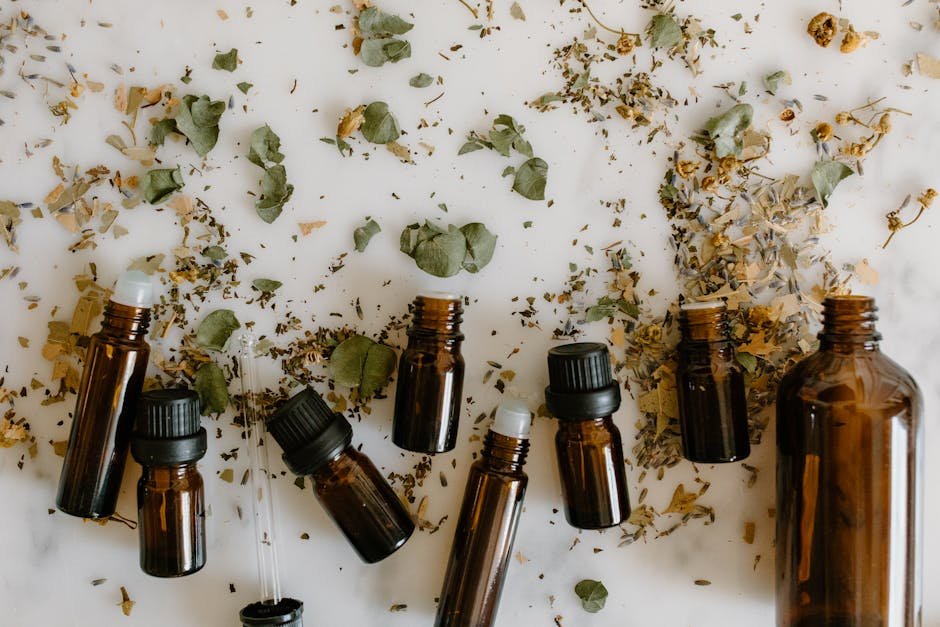
The alluring scent of peppermint, often associated with freshness, cleanliness, and even therapeutic benefits for humans, frequently prompts a crucial question for pet owners: is peppermint oil safe for cats? This seemingly innocuous query holds significant weight, as the world of essential oils, while popular in human wellness, can be a perilous landscape for our feline companions. Many cat lovers are drawn to natural remedies, but the unique physiology of cats makes them exceptionally vulnerable to compounds that might be harmless, or even beneficial, to us.
You might be considering using peppermint oil to deter pests, freshen your home, or perhaps even for a perceived health benefit for your pet. However, before you introduce any essential oil into your cat’s environment, understanding the profound risks is paramount. This comprehensive guide will meticulously explore why peppermint oil is not safe for cats, delve into the specific dangers it poses, equip you with knowledge to recognize signs of toxicity, and offer safe alternatives to ensure your beloved feline friend remains healthy and happy. By the end of this article, you’ll have a clear, authoritative understanding of this critical safety issue.
The Stark Truth: Is Peppermint Oil Safe for Cats? Absolutely Not.
Let’s cut directly to the chase: no, peppermint oil is not safe for cats. This isn’t a matter of mild irritation or a slight preference; it’s a significant health hazard. Veterinarians and pet toxicology experts consistently advise against using peppermint oil, or indeed most essential oils, around cats in any form. Their unique metabolic systems simply cannot process the compounds found in these concentrated plant extracts, leading to potential toxicity and severe health complications.
Cats lack a crucial enzyme in their liver, glucuronidase, which is essential for metabolizing phenolic compounds and other complex molecules present in essential oils like peppermint. This deficiency means their bodies struggle to break down and eliminate these substances, causing them to accumulate to toxic levels. This metabolic bottleneck makes cats far more susceptible to poisoning than humans or even dogs, who possess these necessary enzymes.
Understanding the Potent Peril: Why Peppermint Oil is Toxic
The danger of peppermint oil for cats stems from its chemical composition. Peppermint oil contains high concentrations of compounds such as menthol and pulegone. These substances are readily absorbed through a cat’s skin, inhaled through their respiratory system, or, most dangerously, ingested when they groom themselves after contact. Even diffused essential oils pose a risk as tiny particles can settle on fur and surfaces, becoming a direct route for ingestion.
Pulegone, in particular, is a hepatotoxin, meaning it can cause significant liver damage. While menthol is often associated with a cooling sensation, in concentrated forms, it can irritate mucous membranes and the gastrointestinal tract. The accumulation of these toxins in a cat’s system can lead to a range of adverse reactions, from mild discomfort to life-threatening organ damage, highlighting why you must avoid using peppermint oil near your feline companions.
Why Peppermint Oil Poses a Potent Threat to Feline Health
The threat that peppermint oil poses to feline health is multi-faceted, extending beyond mere irritation. The concentrated nature of essential oils means that even a small amount can deliver a potent dose of toxic compounds. Consider that it takes hundreds of pounds of plant material to produce just a few ounces of essential oil, concentrating volatile organic compounds to levels far beyond what any animal would encounter in nature.
Cats are meticulous groomers, a natural behavior that inadvertently turns any essential oil on their fur into an oral exposure. If you apply peppermint oil to your skin, use it in a diffuser, or even have it on surfaces, your cat can pick it up on their paws or fur. When they inevitably groom themselves, they ingest these harmful chemicals, leading to systemic toxicity. This makes even indirect exposure a serious concern for responsible pet owners.
The Dangerous Pathways: How Cats Get Exposed
Exposure to peppermint oil can occur through several pathways, each carrying its own set of risks:
- Topical Application: Directly applying peppermint oil to a cat’s skin, often mistakenly done for perceived pest control or pain relief, is incredibly dangerous. The oil is rapidly absorbed into the bloodstream.
- Inhalation (Diffusion): Using essential oil diffusers in a home with cats is highly discouraged. The airborne particles can be inhaled, irritating their respiratory system, and can also settle on fur and surfaces, leading to ingestion.
- Ingestion: This is arguably the most dangerous route. Cats can ingest oil by licking it off their fur, paws, or any surface where the oil has settled. Even a few drops from an open bottle can be lethal.
- Environmental Contact: Cleaning products, air fresheners, or even personal care items containing peppermint oil can leave residues that cats come into contact with, especially if they walk on treated surfaces and then groom their paws.
Understanding these pathways is crucial for preventing accidental poisoning and ensuring your home remains a safe haven for your furry friend. The risks truly outweigh any perceived benefits when it comes to using peppermint oil around cats.
Recognizing the Red Flags: Symptoms of Peppermint Oil Poisoning in Cats
Prompt recognition of symptoms is critical if you suspect your cat has been exposed to peppermint oil. Because their bodies struggle to metabolize the toxins, symptoms can manifest quickly and escalate rapidly. Any delay in seeking veterinary attention can significantly worsen the prognosis. The signs of essential oil poisoning can vary depending on the amount of exposure and the individual cat’s sensitivity, but several key indicators should prompt immediate action.
Observing your cat for unusual behavior or physical signs is your first line of defense. Remember, cats are masters at hiding discomfort, so even subtle changes warrant investigation. If you’ve used peppermint oil in your home, even in a diffuser, and your cat begins to exhibit any of these symptoms, do not hesitate to contact your veterinarian or an emergency animal hospital immediately.
Key Symptoms to Watch For
The symptoms of peppermint oil toxicity in cats can range from mild gastrointestinal upset to severe neurological and respiratory distress. Here’s a list of common signs:
- Gastrointestinal Distress: Vomiting, diarrhea, excessive drooling (hypersalivation), loss of appetite.
- Neurological Issues: Lethargy, weakness, ataxia (uncoordinated gait), tremors, muscle twitching, seizures.
- Respiratory Problems: Difficulty breathing, coughing, wheezing, rapid breathing.
- Skin Irritation: Redness, inflammation, itching, or burns at the site of contact (if topical).
- Behavioral Changes: Hiding, restlessness, vocalizing more than usual, disorientation.
- Liver Damage (Chronic/Severe): Jaundice (yellowing of skin/eyes), dark urine, increased thirst and urination.
If you witness any combination of these symptoms, especially after known or suspected exposure, immediate veterinary intervention is paramount. Time is of the essence when dealing with essential oil poisoning in cats.
Accidental Exposure: What to Do If Your Cat Ingests or Contacts Peppermint Oil
Despite your best efforts, accidents can happen. If you discover that your cat has ingested peppermint oil, come into direct contact with it, or shown symptoms after exposure to diffused oil, immediate action is crucial. Panicking will not help, but swift, informed decisions can make a significant difference in your cat’s outcome. The most important step is to contact a professional for guidance.
Do not attempt to self-treat your cat or induce vomiting unless specifically instructed by a veterinarian. Inducing vomiting can sometimes cause more harm than good, especially if the substance is corrosive or if the cat is already showing neurological symptoms. Knowing the right steps can potentially save your cat’s life and minimize long-term damage.
Emergency Steps for Peppermint Oil Exposure
- Contact Your Veterinarian Immediately: This is the absolute first step. Call your regular vet or the nearest emergency animal clinic. Provide them with all relevant information: what happened, when it happened, the type of oil (peppermint, concentration if known), and any symptoms your cat is exhibiting.
- Remove the Source of Exposure: If your cat has oil on their fur, gently wash the affected area with mild dish soap and plenty of lukewarm water. Ensure you rinse thoroughly to remove all traces of oil and soap. Wear gloves to protect yourself.
- Prevent Further Ingestion: Keep your cat from licking the affected area. An Elizabethan collar (cone) might be necessary if they continue to try and groom themselves.
- Do NOT Induce Vomiting: Unless specifically advised by a vet, do not try to make your cat vomit. Essential oils can be easily inhaled into the lungs during vomiting, leading to aspiration pneumonia.
- Gather Information: Bring the peppermint oil bottle with you to the vet, if possible. This helps them identify the exact ingredients and concentration, aiding in treatment.
- Monitor Your Cat: While en route to the vet, observe your cat closely for any changes in their condition, and report these to the veterinary staff upon arrival.
Remember, prompt veterinary care for suspected peppermint oil poisoning is vital. The sooner your cat receives professional treatment, the better their chances of a full recovery.
Safer Scents and Solutions: Alternatives to Peppermint Oil for Your Feline Friend
Understanding that is peppermint oil safe for cats is a resounding “no” doesn’t mean you have to live in a scent-free home or forgo natural solutions for common household issues. There are numerous cat-safe alternatives that can achieve similar desired effects without putting your beloved pet at risk. The key is to prioritize your cat’s safety and choose products specifically designed or known to be harmless to felines.
Whether you’re looking for natural pest deterrents, air fresheners, or simply want to create a pleasant ambiance, responsible pet ownership involves selecting options that align with feline physiology. Always err on the side of caution and, when in doubt, consult with your veterinarian before introducing anything new into your cat’s environment.
Cat-Friendly Alternatives for a Harmonious Home
Here are some safe and effective alternatives to peppermint oil and other harmful essential oils:
For Freshening Your Home:
- Open Windows: The simplest and safest way to freshen your home is good old-fashioned ventilation.
- Baking Soda: A natural odor absorber. Place open bowls of baking soda in areas with unwanted smells, or sprinkle it on carpets before vacuuming.
- Activated Charcoal: Highly effective at absorbing odors without releasing any potentially harmful scents.
- Pet-Safe Air Purifiers: Look for HEPA filter air purifiers that clean the air without adding fragrances.
- Catnip Spray: While not for air freshening, a diluted catnip spray can be a wonderful enrichment tool for cats, encouraging play and relaxation.
For Natural Pest Deterrence:
When it comes to pest control, especially for fleas or other insects, relying on natural remedies can be risky. Always consult your vet for safe and effective solutions. However, some general, non-toxic approaches exist:
- Diatomaceous Earth (Food Grade): Can be used cautiously around the house to deter crawling insects. Ensure it’s food-grade and applied thinly, keeping it away from areas your cat frequently licks.
- Thorough Cleaning: Regular vacuuming, cleaning, and sanitizing of your home can significantly reduce pest populations without chemicals.
- Vet-Approved Flea & Tick Preventatives: These are the safest and most effective methods for protecting your cat from parasites. Never use human or dog-specific products on cats.
| Aspect | Using Peppermint Oil (DANGEROUS) | Cat-Safe Alternatives (RECOMMENDED) |
|---|---|---|
| Home Freshening | Diffusing oil, spraying air fresheners with menthol. | Ventilation, baking soda, activated charcoal, pet-safe air purifiers. |
| Pest Deterrence | Applying oil topically, spraying surfaces with peppermint solution. | Vet-approved preventatives, food-grade diatomaceous earth (cautiously), thorough cleaning. |
| Aromatherapy/Calming | Diffusing calming essential oils like lavender (also unsafe for cats). | Pheromone diffusers (e.g., Feliway), interactive play, comfortable resting spots, specific calming treats approved by your vet. |
| Topical Use | Applying to skin for pain, muscle aches, or insect bites. | Veterinary prescribed topical medications or treatments. Never self-medicate with essential oils. |
By choosing these safer alternatives, you can maintain a comfortable and pleasant home environment without ever having to worry about the critical question of is peppermint oil safe for cats. Your cat’s health and well-being should always be the top priority.
Frequently Asked Questions
Is peppermint oil safe for cats to smell?
No, peppermint oil is not safe for cats to smell, even when diffused. The tiny airborne particles can irritate their respiratory system and can also settle on their fur, leading to ingestion when they groom themselves. Cats are highly sensitive to these strong scents.
What happens if a cat licks peppermint oil?
If a cat licks peppermint oil, it can lead to severe gastrointestinal upset, liver damage, and neurological symptoms. Their liver lacks the enzymes to properly metabolize the oil’s compounds, causing toxins to accumulate rapidly.
Are all essential oils dangerous for cats?
While some essential oils are more toxic than others, it’s generally safest to assume all essential oils are dangerous for cats due to their unique metabolic system. Oils containing phenols, ketones, and terpenes are particularly problematic.
Can I use a diffuser with essential oils if my cat is in another room?
It is still not recommended to use essential oil diffusers in a home with cats, even if they are in another room. Airborne particles can travel, settle on surfaces, and be absorbed through the cat’s skin or ingested during grooming. Ventilation is key, but complete isolation is difficult.
What are some safe ways to make my home smell nice with cats around?
Safe ways to freshen your home include good ventilation, using baking soda or activated charcoal as odor absorbers, and investing in pet-safe air purifiers. You can also use non-toxic, cat-friendly cleaning products.
What are the immediate signs of peppermint oil poisoning in cats?
Immediate signs can include vomiting, diarrhea, excessive drooling, lethargy, weakness, difficulty breathing, and tremors. Skin irritation or redness may also be present if there was direct topical contact.
Is diluted peppermint oil safe for cats?
No, diluting peppermint oil does not make it safe for cats. While it might reduce the immediate concentration, the toxic compounds are still present and can accumulate in their system. The risk of toxicity remains, regardless of dilution.
Final Thoughts on Peppermint Oil and Feline Safety
The clear and unambiguous answer to the question, is peppermint oil safe for cats, is a definitive “no.” This conclusion is not based on anecdotal evidence but on the fundamental physiological differences that make felines exquisitely sensitive to the concentrated chemical compounds found in essential oils. As responsible pet parents, our primary duty is to ensure the safety and well-being of our furry family members, and this often means foregoing practices that might be beneficial or harmless to humans but pose significant risks to cats.
We’ve explored the specific reasons for this toxicity, from the lack of crucial liver enzymes to the dangerous chemical components like menthol and pulegone. Understanding the various pathways of exposure – whether through topical application, inhalation from diffusers, or accidental ingestion during grooming – empowers you to create a truly safe environment. Recognizing the symptoms of poisoning, from gastrointestinal distress to neurological impairment, is also vital for prompt intervention, which can be life-saving.
Fortunately, maintaining a fresh-smelling home and addressing common household concerns doesn’t require resorting to dangerous essential oils. Numerous safe, effective, and cat-friendly alternatives exist, ranging from simple ventilation and natural odor absorbers like baking soda to vet-approved pest control solutions. Prioritizing these safer options demonstrates true care and commitment to your cat’s health. Always remember that when in doubt about any product or substance, consulting with your veterinarian is the wisest course of action.
By implementing the knowledge gained today, you can confidently eliminate peppermint oil and other harmful essential oils from your cat’s environment. Choose vigilance, choose safety, and choose alternatives that truly support your feline friend’s long, healthy, and happy life. Your cat depends on your informed decisions, so start creating a truly cat-safe home today!