
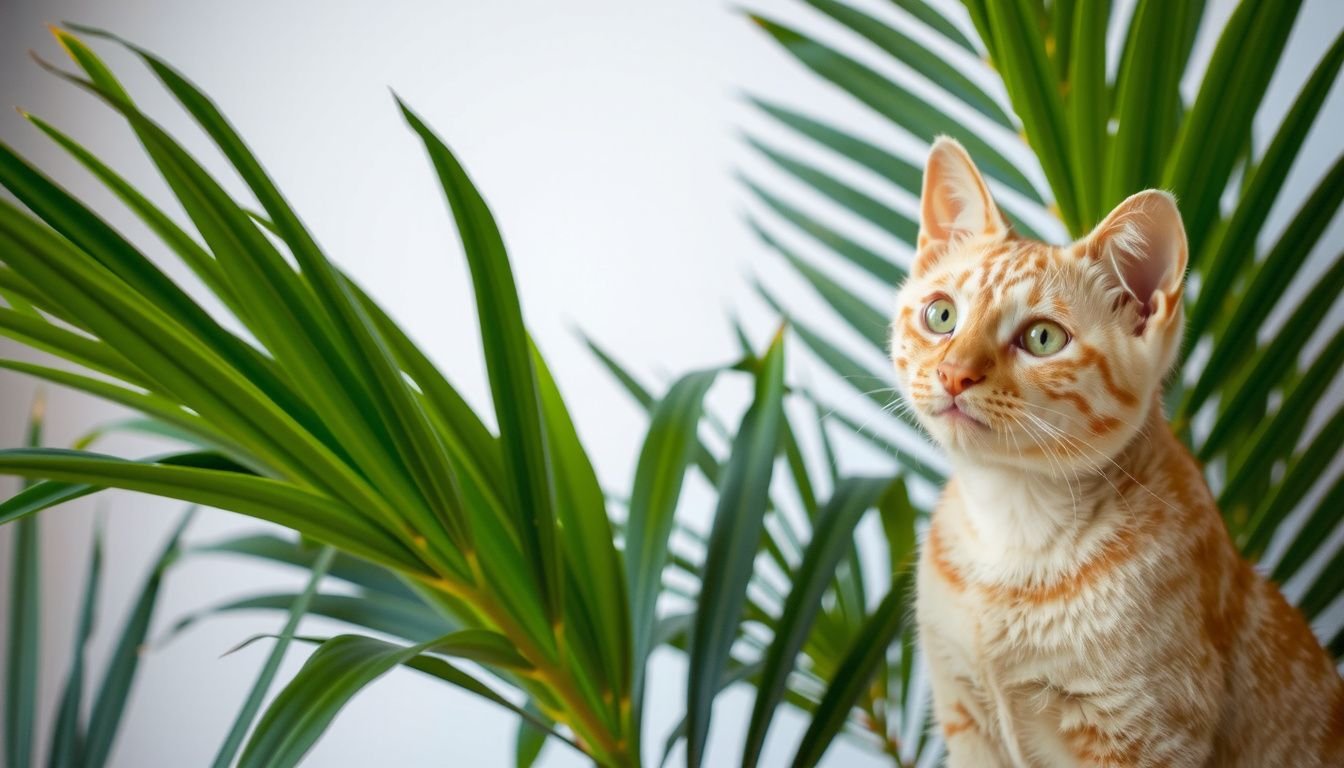
Want to master how to care for cat palm so your home stays lively and green? Cat palms (Chamaedorea cataractarum) are popular for their lush fronds and air-purifying abilities, but they need the right setup and routine. Get this care right, and your palm rewards you with healthy, vibrant growth—no brown tips or droopy leaves.
This guide walks you through every step, including setup, positioning, watering, and troubleshooting. Whether you’re a new plant parent or looking to revive an ailing specimen, you’ll find the practical advice you need to keep your cat palm thriving. Picture this: You move your palm away from a drafty window, adjust your watering schedule, and within two weeks, new green shoots appear.
Let’s get you those results.
Prepare Your Space and Gather Essential Supplies
Start by giving your cat palm the right home. These palms prefer spacious, stable containers with drainage holes. Pick a spot away from direct heat sources or cold drafts to prevent stress.
Here’s what you’ll need:
- Pot with drainage—prevents root rot.
- Peat-based soil mix that drains well.
- Watering can with a narrow spout for targeted watering.
- Humidity tray or pebble tray for boosting humidity.
- Balanced liquid fertilizer for monthly feeding.
- Sharp, clean pruners for trimming dead fronds.
Set up your supplies in advance so you’re not scrambling mid-task. Pro tip: Line the pot bottom with a thin layer of small stones—this helps drainage and prevents soggy roots. Don’t use garden soil; it compacts and smothers roots.
Stick to a quality indoor potting mix recommended for palms.
Position Your Cat Palm for Optimal Light and Temperature
Cat palms love bright, indirect light. Place yours near a north- or east-facing window where sunlight is filtered by sheer curtains. Direct sun scorches their leaves, while low light slows growth.
Aim for at least 6 hours of indirect light daily.
Keep room temperatures between 65°F and 80°F (18°C–27°C). These palms are sensitive to both cold and sudden temperature shifts. Avoid locations near air conditioners, radiators, or exterior doors.
If your space tends to be dry, place a humidifier nearby or use a pebble tray with water beneath the pot.
Here’s a quick reference:
| Factor | Optimal Range | What to Avoid |
|---|---|---|
| Light | Bright, indirect | Direct sun, deep shade |
| Temperature | 65°F–80°F (18°C–27°C) | Below 50°F (10°C), drafts |
| Humidity | 50% or higher | Dry air, heaters |
Real-world example: If you notice tips browning after moving the plant near a south-facing window, relocate it to a spot with filtered light. You’ll see healthier fronds within weeks.
Water, Feed, and Prune Your Cat Palm Effectively
Watering is where many cat palm owners slip up. Only water when the top inch of soil feels dry—usually once a week, but adjust for your home’s humidity. Overwatering leads to root rot, while underwatering causes crisp, brown leaves.
- Check soil moisture before watering. Stick your finger in up to the first knuckle.
- Water thoroughly until you see drainage, then empty the saucer.
- Feed monthly during spring and summer with a balanced liquid fertilizer diluted to half strength. Skip feeding in winter.
- Prune dead or yellowing fronds at the base using sharp, clean shears.
Common mistake: Letting the pot sit in standing water. Always empty trays after watering. If your palm’s growth slows or leaves yellow, check for soggy soil or fertilizer buildup.
Flush the soil with clean water every few months to prevent salt accumulation.
Troubleshoot Common Cat Palm Issues and Maintain Health
Even with excellent care, you might face issues like brown tips, yellow leaves, or pest infestations. Handle these quickly to keep your cat palm healthy.
- Brown tips: Usually caused by low humidity or over-fertilizing. Mist the leaves or increase humidity. Cut back on fertilizer if needed.
- Yellow leaves: Often a sign of overwatering or poor drainage. Check soil moisture and ensure your pot drains freely.
- Pests: Spider mites and mealybugs target stressed palms. Wipe leaves with a damp cloth and treat with insecticidal soap.
- Slow growth: Common in winter or low light. Don’t panic—palms naturally slow down in colder months.
Inspect your palm weekly for changes. Early action prevents minor issues from becoming major headaches. If your palm seems dull and dusty, shower it under lukewarm water to refresh the leaves and remove pests.
Start Here
You’re now set to master cat palm care, from setup to troubleshooting. Start with a quality pot, the right soil, and a bright, draft-free spot. Check soil moisture weekly, feed responsibly, and prune as needed.
Monitor for browning or pests—address issues early for best results. With this approach, your cat palm will reward you with lush, vibrant greenery that transforms your living space. Ready?
Gather your supplies and give your cat palm the attention it deserves. Watch for those new green fronds—they’re your sign you’re on the right track!