
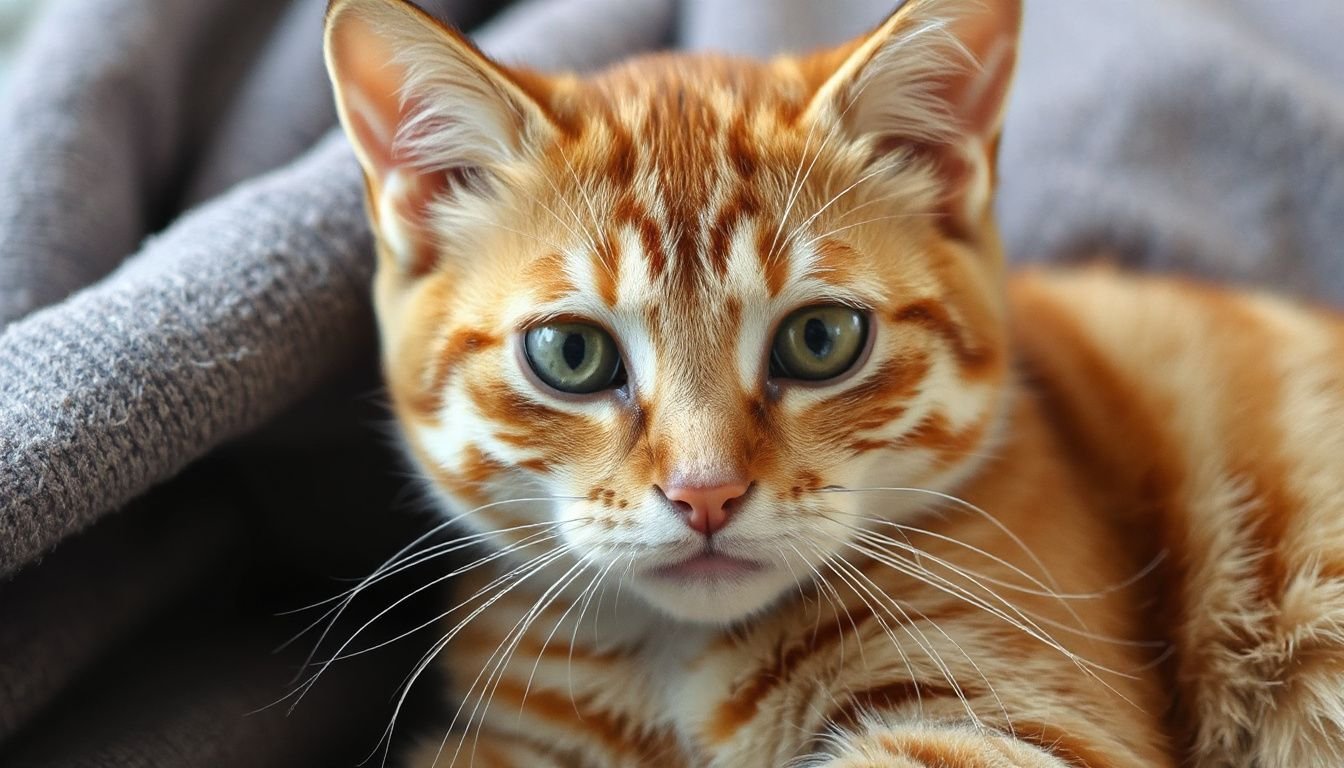
Your cat is purring, leaning in, and then—surprise—a gentle bite lands on your hand.
If you are searching “why does my cat bite me gently while purring,” you are noticing a mixed signal: comfort sounds paired with teeth. That combination can be normal feline communication, but it can also be a boundary marker, a play cue, or a sign your cat is getting overstimulated.
Understanding the pattern matters because cats rarely “act out” without context. The bite’s pressure, timing, and your cat’s body language usually explain what is happening. Once you read those signals, you can respond in a way that protects trust, reduces scratches, and keeps affection safe for everyone in the home.
Why Does My Cat Bite Me Gently While Purring? The Most Common Meanings
Cats use their mouths the way humans use hands: to explore, to guide, and to communicate. A gentle bite during purring often functions as “social grooming,” sometimes called an affection nibble. In multi-cat groups, grooming can include light nips that reposition fur or signal “stay close.”
Purring also has more than one meaning. Cats purr when content, but they may also purr to self-soothe when aroused, conflicted, or mildly stressed. Look treats purring as a “positive” sound, yet in behavior work it is better viewed as an arousal indicator that needs context.
A common driver is petting-induced overstimulation. Nerve endings in the skin can become sensitized, especially along the lower back or belly. What actually happens when this builds: the cat enjoys the first strokes, arousal rises, and a gentle bite interrupts contact before the cat escalates to a harder bite or swat.
Practical scenario: you scratch your cat’s shoulders for a minute, the purr gets louder, the tail tip starts flicking, and then your cat gently bites your wrist. That bite is often a “pause” request, not aggression.
Actionable takeaway: treat the bite as information. Stop petting, give your cat a few seconds, and restart only if the body stays loose and relaxed.
Body Language That Changes the Interpretation (and Your Next Move)
The same gentle bite can mean “I adore you” or “I am done.” The difference is usually visible in posture, tail motion, ear position, and how quickly the cat returns for more contact. Skilled handlers rely on clusters of signals, not one sign.
When people ask “why does my cat bite me gently while purring,” they often focus on the mouth and miss the rest of the cat. Watch the tail tip, the whiskers, and the skin along the back. A rippling back, twitching skin, or sudden stillness often precedes a boundary bite.
| Signal cluster | What it often means | What to do next |
|---|---|---|
| Loose body, slow blinks, ears neutral |
|
|
| Tail tip flicking, whiskers forward, pupils larger |
|
|
| Skin twitching, back ripples, ears rotate sideways |
|
|
| Stiff body, fixed stare, growl or sudden silence |
|
|
Real-world example: a cat that gently bites only when you rub the lower back is often showing a location-based sensitivity. Moving petting to the cheeks and under-chin can eliminate the bite without reducing closeness.
Play, Predatory Drift, and “Love Bites” That Get Reinforced
Some gentle bites are not about affection at all; they are play. Cats have a predatory sequence—stalk, pounce, grab, bite—and petting can accidentally trigger it. Hands that wiggle, rapid rubbing, or stopping suddenly can flip a calm moment into “prey-like movement,” even while the cat continues purring.
A non-obvious insight from behavior consulting: people often reinforce gentle biting without realizing it. If the bite makes you laugh, talk excitedly, or move your hand quickly, the cat may learn that nibbling reliably starts a lively interaction. That is not “bad behavior.” It is effective training from the cat’s perspective.
Practical scenario: your cat sits on your lap purring, gently bites, you pull your hand away fast, and the cat chases and bites again. The chase becomes the game, and the purr reflects arousal and engagement, not calm affection.
Actionable takeaway: separate affection from play. Use toys to meet hunting needs, and keep hands boring when teeth appear.
- Schedule 5–10 minutes of interactive play daily (wand toys are ideal).
- End play with a small food reward to complete the “hunt-catch-eat” cycle.
- If teeth touch skin, freeze your hand, then calmly redirect to a toy.
How to Respond Safely and When to Involve a Veterinarian
The goal is not to “punish” biting; punishment often increases anxiety and can escalate to harder bites. Aim for clear feedback and consistent boundaries. If you keep the interaction predictable, most cats reduce gentle biting quickly.
Start by changing how contact happens. Many cats tolerate long petting sessions only on scent-gland areas: cheeks, forehead, and under the chin. The belly, base of tail, and lower back are common trigger zones. Short sessions help. So does stopping before the cat needs to.
| Situation | Best response | Why it works |
|---|---|---|
| Gentle bite with relaxed body |
|
|
| Bite after 30–60 seconds of petting |
|
|
| Bite targets only one area (back, hips) |
|
|
| New biting behavior or increased intensity |
|
|
Human example: a senior cat that starts gentle biting during purring when you touch the hips may be signaling arthritis discomfort. Owners often report improvement after pain management and switching to head-only petting.
Consider medical causes when the pattern changes. Dental disease, skin irritation, joint pain, or hyperesthesia (skin sensitivity episodes) can make touch feel unpredictable. A veterinarian can rule out pain and guide next steps, especially if biting becomes frequent or your cat avoids handling.
Frequently Asked Questions
Is a gentle bite while purring always a sign of affection?
No. It can be affection, social grooming, or play, but it can also be a polite “stop” signal during overstimulation. Check for tail flicking, skin twitching, or stiffness, then pause petting and see if your cat re-initiates contact.
How do I teach my cat to stop gentle biting without harming trust?
Remove attention for a few seconds when teeth touch skin, then redirect to a toy. Keep hands still rather than jerking away. Reward calm contact with soft praise or treats, and use short petting bursts with frequent pauses.
When should I worry about “why does my cat bite me gently while purring” being a health issue?
Worry when the behavior is new, escalates, targets one body area, or comes with hiding, flinching, drooling, or reduced appetite. Schedule a veterinary exam and bring notes on when bites occur, where you touched, and bite intensity.
Final Thoughts
When you decode “why does my cat bite me gently while purring,” you usually find a practical message: affection with boundaries, rising arousal, or a request to switch from petting to play. The purr does not guarantee comfort; it signals intensity that you should interpret alongside posture and timing.
Use consent checks, keep petting sessions short, and redirect mouthy moments to appropriate toys. If the pattern changes or seems linked to pain, involve your veterinarian early. Your next step: observe one interaction closely, note the body signals before the bite, and adjust your response once—consistently.