
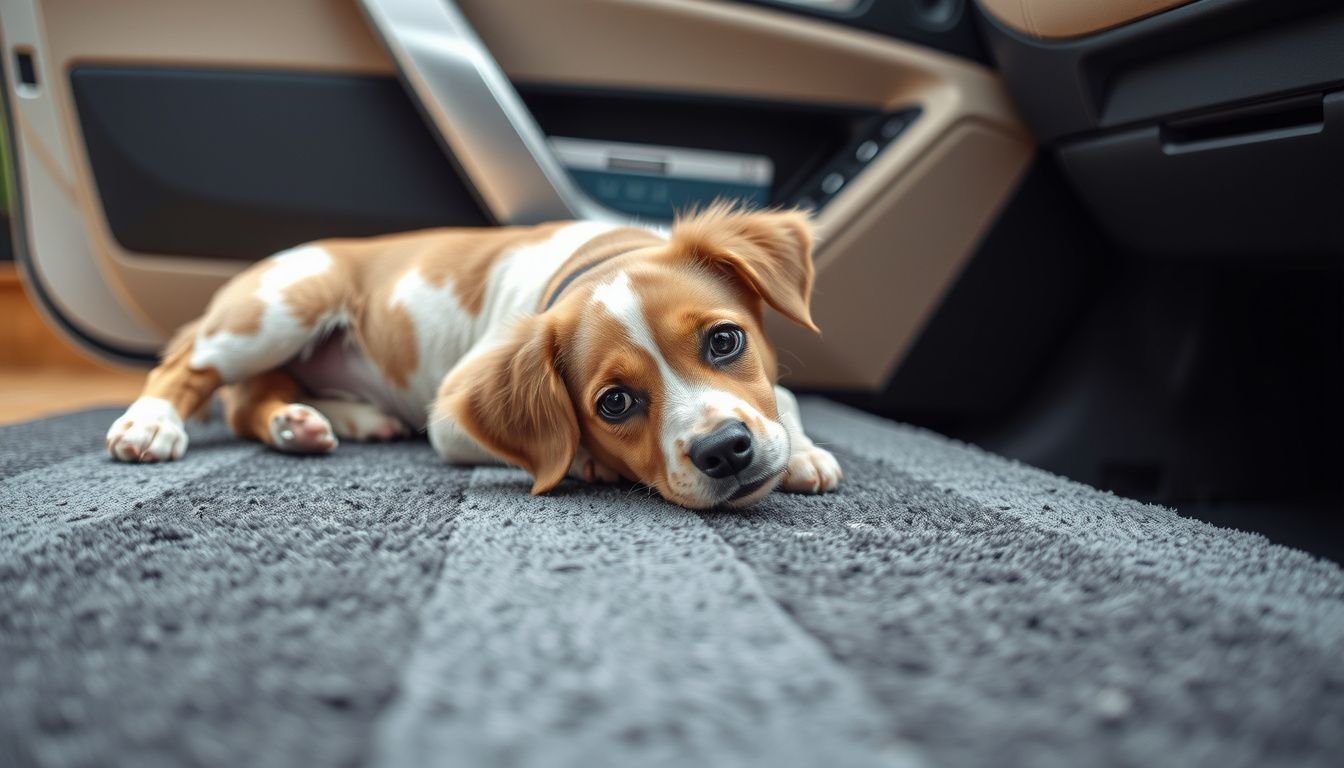
Dog hair clings to everything, but if you’re looking for how to get dog fur out of car carpet, you’re in the right place. Stuck fur isn’t just unsightly—it can trigger allergies and create lingering odors. Conventional vacuuming rarely solves the problem.
Instead, you’ll need a targeted strategy, the right supplies, and a bit of patience. Whether you’re prepping for a rideshare inspection or just want your car to feel clean again, this step-by-step approach will help. Imagine heading to work, glancing down, and realizing your seats and mats look fur-free for the first time in months—no more embarrassment when giving someone a lift.
Let’s get practical and tackle this challenge together.
Gather Essential Tools and Supplies
Before you start, assemble everything you’ll need. Having the right tools will save you time and frustration. Here’s your checklist:
- Stiff-bristled brush (pet hair brush or upholstery brush)
- Rubber glove or rubber squeegee
- High-powered vacuum with a brush or upholstery attachment
- Lint roller or strong packing tape
- Enzyme cleaner or pet-safe odor eliminator
- Microfiber cloths
Check each item off your list before starting. Skipping even one tool can make stubborn fur removal much harder. If you’re missing a squeegee, a damp rubber glove works just as well.
Professional detailers often use these same tools, so you’re prepping like a pro.
Prepare Your Car for Effective Fur Removal
Start by removing all loose items from your car—floor mats, trash, dog toys, and seat covers. Take out anything that might obstruct your cleaning or trap more fur. Shake out your floor mats outside; you’ll tackle them separately.
Open the doors for ventilation and natural light. This helps you spot hidden fur clumps and reach every corner.
Don’t forget to check under seats and in tight crevices. Use a flashlight if needed. Pro tip: Lay down an old towel to kneel on—this protects your knees and keeps you comfortable.
Look, the prep stage is where most people rush and regret it later. Take your time and set yourself up for success.
Loosen Embedded Fur with a Stiff Brush
Dog fur can weave itself deep into carpet fibers, especially after repeated car rides. Use your stiff-bristled brush to scrub the carpet in short, overlapping strokes. Always brush in one direction at a time—this gathers fur into manageable clumps you can remove later.
For heavily embedded areas (like where your dog usually sits), apply more pressure and use a back-and-forth motion. If you notice static buildup, lightly mist the carpet with water. This helps loosen stubborn hair and reduces static cling.
A real-world tip: After a muddy hike, I found wet dog fur stuck to my rear floor mats. The stiff brush was the only tool that budged it—don’t skip this step.
Use a Rubber Glove or Squeegee to Lift Fur
Now, slip on a slightly damp rubber glove or grab your rubber squeegee. Run your gloved hand or squeegee firmly over the carpeted areas. The rubber creates friction, grabbing and lifting fur that brushes can’t reach.
Work in small sections. When the glove fills with hair, rinse it off and keep going. For corners and edges, use your fingers to get into tight spots.
This technique is especially effective on stubborn patches. It’s fast, oddly satisfying, and makes the next steps easier.
Vacuum Thoroughly for Deep Cleaning
With the majority of fur now on the surface, use your vacuum’s brush or upholstery attachment to suck up loose hair. Move slowly—quick passes miss embedded strands. Focus on seams, under seats, and the edges where fur collects most.
If you have a cordless handheld vacuum, use it for hard-to-reach places. Empty the canister frequently to maintain strong suction. Here’s a quick checklist for a thorough job:
- Go over each area twice
- Use crevice tools for corners
- Pay extra attention to the driver and passenger footwells
Your goal: leave the carpet looking clean and feeling soft to the touch.
Apply Tape or Lint Rollers for Stubborn Spots
Even after vacuuming, you’ll likely spot a few stubborn hairs. Wrap strong packing tape around your hand (sticky side out) or use a lint roller. Press down and lift—hair should stick instantly.
Focus on high-traffic zones and seat edges. Replace the tape or roller sheet as soon as it’s filled. For ultra-stubborn spots, try both tape and lint roller in succession.
This is the detailer’s secret weapon for that “no fur left behind” finish. Don’t rush—these final sweeps make all the difference.
Remove Odors and Refresh the Carpet
Fur often traps pet odors. Once the visible hair is gone, spray an enzyme cleaner or pet-safe odor eliminator onto the carpet. Let it sit for 5-10 minutes so it can break down lingering smells.
Blot with a clean microfiber cloth until the area feels just damp. For lingering odors, sprinkle baking soda, wait 15 minutes, then vacuum again. Want a fresher scent?
Place an open box of baking soda under the seat for ongoing odor control. This not only neutralizes smells but also signals you’ve cleaned thoroughly.
Maintain a Fur-Free Car Carpet Moving Forward
Now that your carpet’s clean, keep it that way. Use washable seat covers or pet-specific travel blankets during rides. Brush your dog before trips to minimize shedding.
Establish a quick routine:
- Vacuum weekly
- Use a lint roller after each outing
- Wipe surfaces with a damp rubber glove as needed
Small habits prevent big build-ups. If you transport your dog regularly, consider investing in a high-quality pet barrier or cargo liner. You’ll spend less time cleaning and more time enjoying the ride.
What to Do Now
Your car carpet’s finally free of dog fur and odors. Keep your tools handy and make a habit of quick weekly maintenance. If you spot stray hairs, tackle them immediately with a lint roller or rubber glove.
Over time, these simple steps will make deep cleans rare. Your passengers—and your nose—will thank you. Ready for a fur-free drive?
Grab your kit, set a schedule, and reclaim your car’s comfort every ride.