
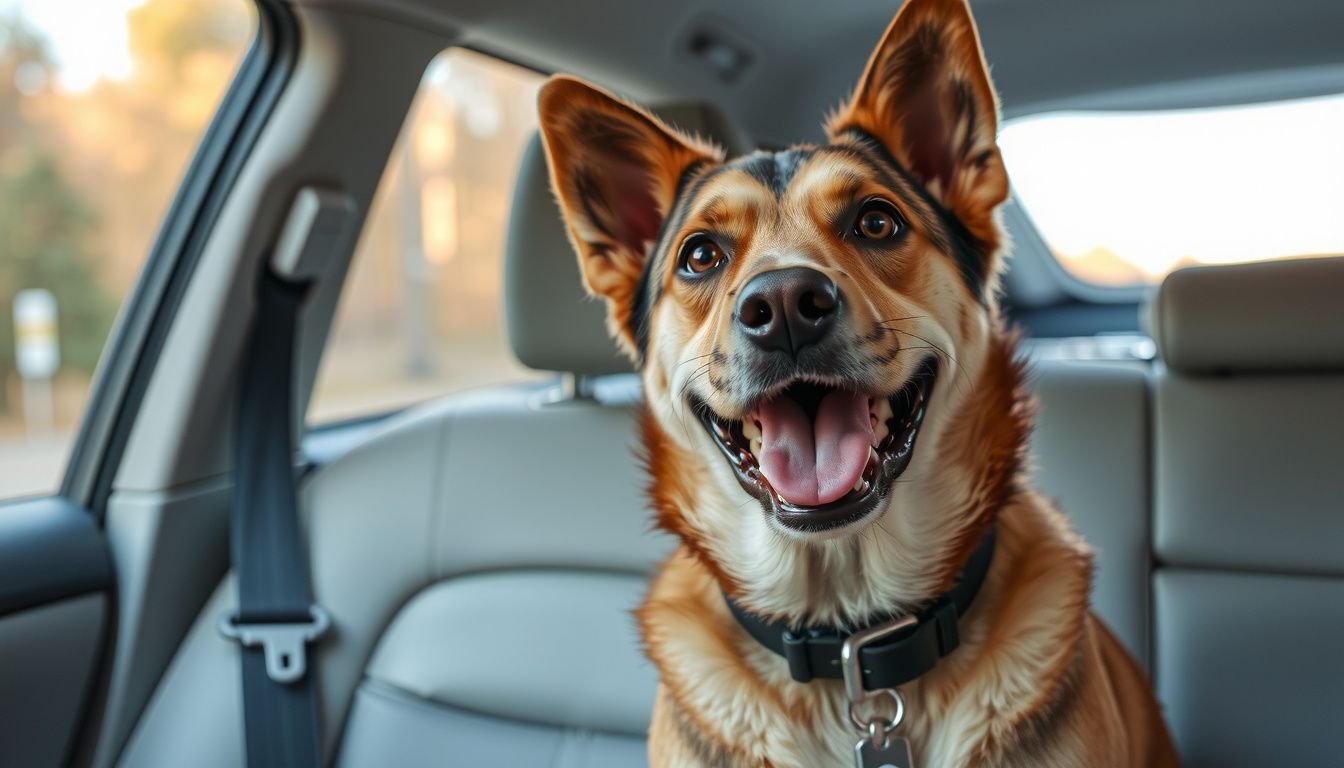
Ever wondered why do dogs love car rides so much, their tails wagging wildly the moment you jingle your keys? For many pet owners, watching your dog leap into the backseat with pure joy is a familiar—and heartwarming—scene. As someone who’s researched and written extensively on canine behavior, I can assure you there’s real science behind that excitement.
Dogs experience the world differently than we do, and car rides offer a unique combination of scents, sights, and shared adventures. Take Max, a golden retriever I once met during a training session: his owner couldn’t say the word “car” without Max running in circles by the door.
In this guide, you’ll discover the main reasons car rides feel like a thrill for dogs, what’s actually happening in their minds, and tips to make every trip safe and fun. If you want to deepen your bond with your furry friend or just enjoy smoother rides, you’re in the right place—let’s get started!
Why Dogs Are Drawn to Car Rides
Let’s get straight to it—dogs are not just tolerating car rides; they genuinely look forward to them. This enthusiasm comes from a mix of instinct, variety, and positive reinforcement. Dogs are naturally curious creatures, and a moving vehicle is a portal to a world of new sights, sounds, and smells.
Think about your own routine. When you grab your car keys, your dog likely perks up, tail wagging, and races to the door. That excitement is real.
For your dog, a car ride isn’t just transportation—it’s an adventure, and animals thrive on novelty. Each trip is a chance to explore, even if only from the passenger seat.
Many dogs also associate car rides with positive outcomes. Whether it’s a trip to the park, a visit to see family, or a run through the drive-thru for a treat, your dog learns that the car means good things are coming. Over time, this creates a strong positive association that’s hard to break.
For example, one dog owner noticed her Labrador would become visibly excited every time she said “Let’s go!”—even before grabbing the leash. The dog had learned to equate those words and the sound of the keys with the thrill of new experiences outside the home.
The Science Behind Your Dog’s Excitement
Now, let’s look at what’s happening inside your dog’s brain when the car comes into play. The answer lies in a blend of sensory stimulation and neurochemical reactions. Dogs have a powerful sense of smell—thousands of times stronger than yours.
Car rides flood them with a cascade of new scents rushing through the window, creating a sensory playground.
The brain responds with a surge of dopamine, the “feel good” neurotransmitter. This chemical is released during rewarding activities, such as play, exercise, or eating treats. Car rides tap into this system, making each journey a source of genuine joy and anticipation.
It’s not just fun; it’s biologically rewarding.

- Novelty: New environments light up your dog’s curiosity.
- Movement: The sensation of motion can mimic the thrill of chasing prey or running with a pack.
- Bonding: Dogs are social animals and enjoy shared activities with their favorite humans.
Picture a dog resting its head out the window, ears flapping in the wind. That simple act isn’t just cute—it’s a full-body experience, sending waves of pleasure through your dog’s nervous system. The science is clear: car rides are one of the most stimulating and enjoyable activities you can share with your canine companion.
How Car Rides Stimulate Your Dog’s Senses
Let’s look at how a simple drive around the block can turn into a sensory adventure for your dog. Dogs experience the world through their noses, ears, and eyes, and a moving vehicle offers them a full buffet of new sights, sounds, and—most important—scents.
With the window cracked, your dog catches a swirl of smells: fresh-cut grass, another dog’s scent, even what someone had for lunch three blocks away. These ever-changing aromas are like flipping through a highlight reel of the neighborhood. Visually, your dog gets to see people, bicycles, other animals, and shifting scenery in rapid succession, which keeps their brains engaged and alert.
Don’t forget sound. The hum of the engine, the whoosh of passing cars, and the wind all contribute to a dynamic environment that constantly changes, fighting off any chance of boredom.
For instance, think about your last car trip to the park. Your dog likely wagged their tail at every red light, ears perked at the sound of a distant siren, and nose glued to the cracked window, soaking up the outside world.
Emotional Benefits of Car Rides for Dogs
Now, let’s talk about what all this sensory stimulation does for your dog’s emotional well-being. Car rides offer more than just excitement—they provide deep emotional rewards.
First off, car trips often mean positive destinations: parks, trails, or even just a visit to grandma’s house. This association builds trust and anticipation, making your dog eager for the next ride. The novelty of the experience—new places, new people—keeps their mind sharp and staves off stress or boredom.
There’s also the bond. Sharing a small space with you, your dog feels secure and included, which can boost their confidence and sense of belonging. That shared experience is emotionally enriching for both of you.
Consider this: If your dog struggles with separation anxiety, short car rides can act as a low-pressure way to help them cope. They’re with you, safe and distracted by their surroundings, which can help reduce nervous behaviors over time.
Recognizing Signs Your Dog Loves Car Rides
It’s incredibly rewarding to spot clear signs that your dog enjoys car rides. You’ll notice a distinct shift in their behavior the moment you reach for your keys or open the car door. Most dogs will show their excitement long before they even hop into the back seat.
Look for these telltale signs:
- Wagging tail and bouncy body language as soon as you mention “car ride.”
- Running to the door, pawing at the car, or sitting by the vehicle expectantly.
- Bright, alert eyes and perked-up ears during the drive.
- No signs of stress—like whining, drooling, or cowering—while in the car.
Some dogs even bark joyfully or circle in excitement. Take Max, a golden retriever: the second his family jingles the car keys, he’s at the garage door, tail spinning like a propeller. If your dog mirrors this enthusiasm, you can be confident they truly love car rides.

Just remember, every dog is unique. Pay attention to your pup’s individual signals to gauge their comfort and excitement during each ride.
Tips to Make Car Rides Safe and Enjoyable
Making car rides both fun and safe for your dog requires a little planning and care. Your dog’s comfort, safety, and well-being should always come first—no matter how much they seem to love the adventure.
- Use a crash-tested harness, crate, or dog seat belt to secure your dog and prevent distractions or injuries.
- Bring water, especially for longer trips, and never leave your dog unattended in a parked car.
- Crack the window (safely) for airflow, but avoid letting your dog hang their head out fully—debris and bugs can harm their eyes or nose.
- Pack familiar items like a favorite blanket or toy to reduce anxiety and make the ride feel like home.
For example, a client of mine always keeps her Labrador’s blanket in the back seat. He settles right in, making for calm, enjoyable journeys. Always prioritize regular breaks for bathroom needs and quick walks, especially during longer drives.
By combining safety measures with your dog’s favorite comforts, you’ll create positive car ride experiences that your dog will look forward to every time.
When Your Dog Doesn’t Like Car Rides: What You Can Do
Not every dog shares the same enthusiasm for car rides. If your pup seems anxious, restless, or even refuses to get into the car, you’re not alone. It’s common for dogs to associate car travel with stress, especially if they’ve had negative past experiences or are prone to motion sickness.
The good news? You can help your dog develop a more positive relationship with car rides. Start with short, low-pressure trips.
For example, just sitting in the parked car together while offering treats can lay the groundwork for trust. Gradually work up to short drives around the block, always rewarding calm behavior.
If your dog shows signs of nausea or drooling, consult your veterinarian about motion sickness remedies. Some dogs benefit from calming aids or special travel harnesses that help them feel secure.
- Desensitization: Repeated, gentle exposure can reduce fear.
- Positive Reinforcement: Treats and praise reinforce good behavior.
- Comfort Items: Bring your dog’s favorite blanket or toy along for familiarity.
One real-world example: A client’s anxious rescue dog learned to love car rides after a month of daily “car treat” sessions. Within weeks, the dog eagerly hopped in, ready for adventure.
Final Summary
Understanding why dogs love car rides empowers you to create more joyful and bonding experiences with your canine companion. When you see that look of excitement as you grab the keys, you’re witnessing the powerful connection between adventure, sensory stimulation, and the trust your dog places in you.
Look, it’s not just about the destination. For your dog, every ride offers a unique blend of sights, sounds, and smells. Take Daisy, for example—a Golden Retriever whose mood instantly shifts when she hears the jingle of car keys.
By making car rides safe, positive, and engaging, you’re cementing happy memories and strengthening your relationship.
If you haven’t already, try planning your next drive with your dog’s enjoyment in mind. Bring their favorite toy, play calming music, and let them safely experience the world from their spot in the back seat. You’ll both look forward to the next adventure.
Related read: Do cats like car rides? Signs, causes, and what to do