
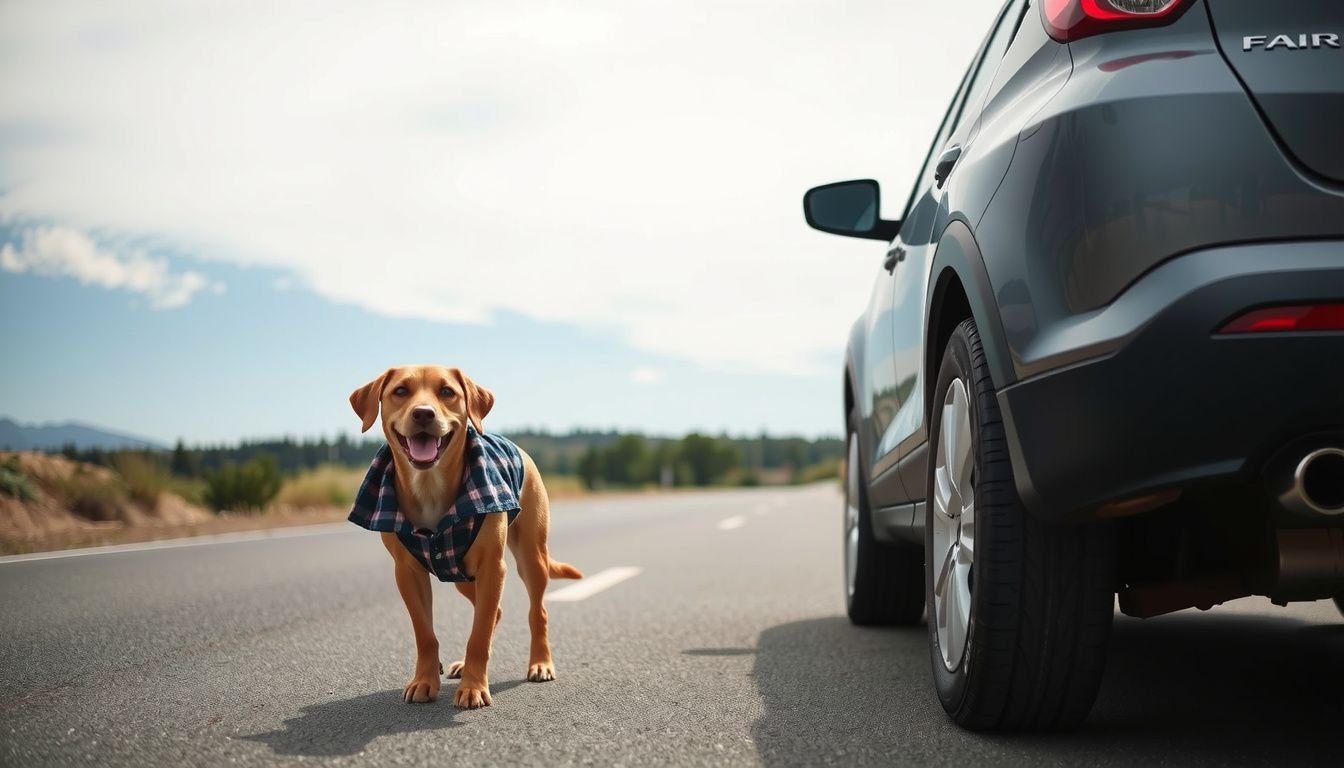
Ever wondered, do car rides tire dogs out? I sure did, after noticing my own pup’s post-drive snooze sessions. As someone who’s spent years observing dog behavior (and chauffeuring a very opinionated Labrador), I can tell you—it’s not as simple as it seems.
Sometimes, a short drive leaves my dog zonked, other times he’s bouncing off the seats. If you’re curious about why dogs act the way they do before, during, and after car rides, you’re in the right place. Let’s break down what I’ve learned, what science says, and how you can make the most of your next trip together.
You’ll leave here understanding whether those car rides really wear your dog out—and how to tell when they do.
- Car rides can tire dogs out, but not always in the way you expect.
- Stress, excitement, and new sights can all play a role in dog fatigue.
- Each dog responds differently—age, temperament, and ride duration matter.
- Short trips may not tire out every dog; longer, stimulating rides often do.
Why I Started Noticing My Dog’s Behavior After Car Rides
I’ll admit—I first started asking if car rides tire dogs out just because my Labrador crashed on the living room rug after every grocery run. At first, I thought he was just bored or lazy. But after a few weeks, I realized it wasn’t just post-errand fatigue.
He was genuinely tired, sometimes even more so than after a walk. That got me paying closer attention to his mood, energy, and body language after every drive. Turns out, there’s a lot going on beneath the surface when our dogs hop in the car with us.
Understanding Why Car Rides Affect Dogs
Dogs experience car rides differently than we do. For them, it’s a sensory overload: new smells, strange sounds, movement, and unfamiliar sights whizzing by. This can trigger a mix of emotions—excitement, curiosity, or even anxiety.
All of this mental stimulation can be just as draining as physical exercise. Think about it: have you ever felt exhausted after navigating a crowded airport? That’s your dog, but in the back seat.
Even if they’re not running around, their brains are working overtime trying to process everything.
My Dog’s Typical Reactions During and After a Drive
My dog’s reactions vary depending on the trip. If it’s a short drive to the park, he’s usually alert, tail wagging, and nose glued to the window. After longer drives—especially to new places—he often pants, yawns, and collapses for a nap as soon as we get home.
Sometimes, he’s even more tired than after a play session. I’ve also noticed signs like heavy sighing, less interest in toys, or even snoring. If your dog acts similarly, it’s probably not a coincidence.
The Science: Do Car Rides Really Tire Dogs Out?
There’s actual science behind this! When dogs experience new situations (like a car ride), their brains release stress hormones and neurotransmitters. This mental arousal can tire them out, even without much physical activity.
In one study, shelter dogs placed in new environments showed increased cortisol levels—then displayed sleepiness afterward. Car rides are a classic example of “environmental enrichment” that can lead to mental fatigue, especially in younger or more sensitive dogs. So yes, car rides really can tire dogs out, but it’s often mental, not physical, exhaustion.
Comparing Car Rides to Other Dog Activities
| Activity | Type of Fatigue | How Long Fatigue Lasts | Best For |
|---|---|---|---|
| Car Ride | Mental/Emotional | Short to Moderate | Dogs needing stimulation, variety |
| Walk/Run | Physical | Moderate to Long | Active dogs, high energy breeds |
| Training Session | Mental | Short | Puppies, smart breeds |
| Playdate | Physical & Social | Long | Social dogs, puppies |
Signs My Dog Shows When Tired from a Car Ride
I’ve learned to spot the signs when my dog is wiped out from a drive. Here’s what I look for:
- Yawning and heavy sighing after getting home
- Slower movements and less interest in playing
- Immediate napping or curling up in a favorite spot
- Less responsive to commands (not ignoring—just sleepy!)
- Occasional droopy eyes or even snoring
If you see these signs, your dog’s probably feeling the after-effects of a stimulating ride.
When Car Rides Might Not Tire Out Your Dog
Not every dog gets tired after being in the car. Some pups, especially high-energy breeds or those used to frequent rides, may find car trips underwhelming. If your dog is anxious, they might stay hyper-alert, making it hard to rest afterward.
Short, routine drives (like to the vet or daycare) often don’t provide enough stimulation or variety to be tiring. And, of course, puppies can bounce back from almost anything!
Tips for Making Car Rides More Enjoyable for Your Dog
Want to make car rides a positive, (sometimes) tiring experience for your pup? Here’s what’s worked for me:
- Bring a favorite toy or blanket for comfort
- Keep windows cracked for fresh air (but not wide enough for escape!)
- Vary your destinations—parks, drive-thrus, even a quick loop around the block
- Offer treats and praise for calm behavior in the car
- Take breaks on long drives for a quick walk or bathroom break
One real-world example: I started taking my dog to different parks each week. Not only did the new sights tire him out, but it turned car rides into an adventure he now begs for!
My Final Thoughts on Car Rides and Dog Fatigue
After years of trial and error, I’ve found that car rides can absolutely tire out my dog—but not always in the way I expected. It’s more about the mental load than the physical one. If your dog seems tired after a drive, it’s probably because their senses (and emotions) have been working hard.
Each dog is unique, so pay attention to your pup’s cues and adjust your routine as needed. Mix things up, make the experience enjoyable, and you’ll both get more out of every trip.
What This Means for You
So, do car rides tire dogs out? Yes—sometimes! It depends on your dog’s personality, the length and variety of the trip, and how stimulating the experience is.
Watch for signs of fatigue and adjust your outings to match your dog’s needs. Try new destinations, keep things positive, and use car rides as a way to enrich your dog’s life. A tired (and happy) dog is a sign you’re doing something right—so buckle up, hit the road, and enjoy the journey together.
- 60-Second Recap:
- Car rides can mentally tire dogs, not just physically.
- Some dogs nap after drives; others stay energetic.
- Look for signs like yawning, napping, and less interest in play.
- Mix up destinations and keep rides positive for best results.
- Every dog reacts differently—pay attention to what works for yours!