
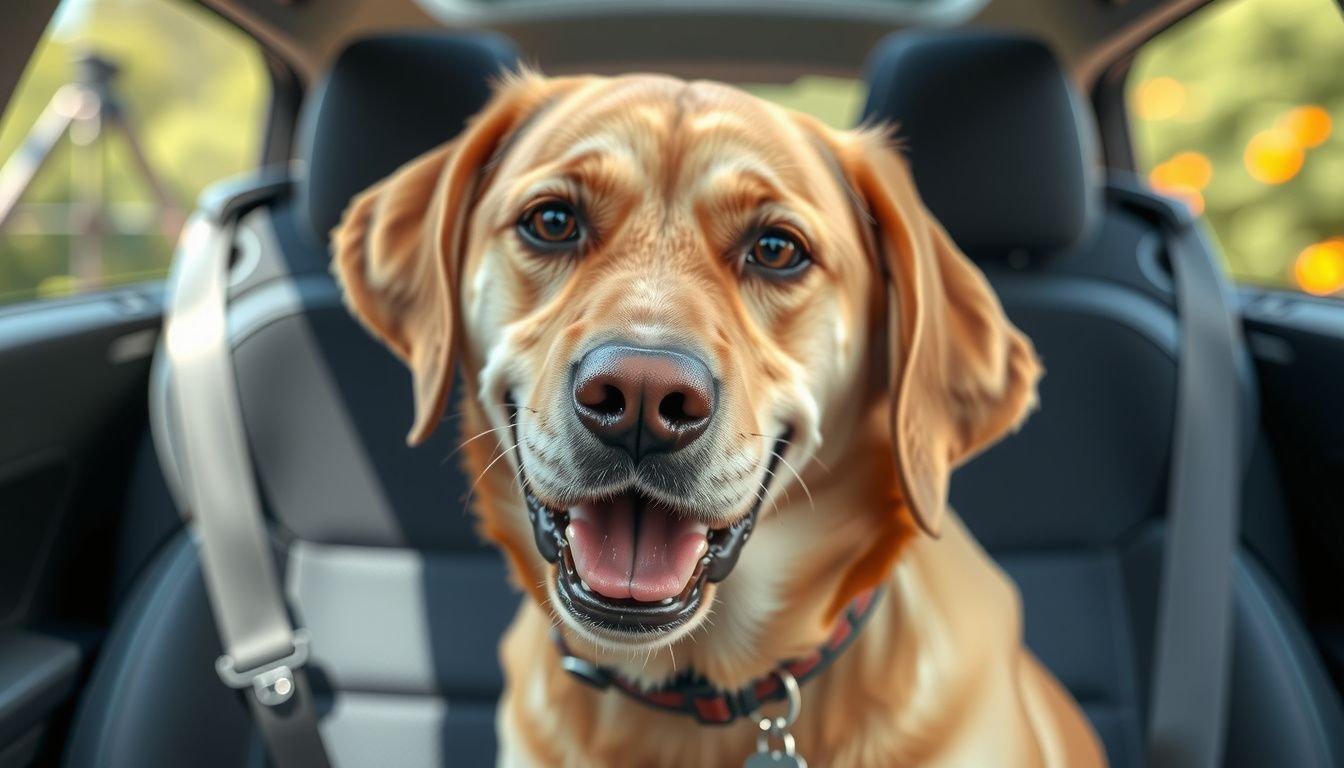
Ever wondered why do dogs get car sick? I’ll never forget the first time my dog, Max, started drooling and whining just ten minutes into a drive. At first, I chalked it up to nerves or excitement, but soon realized car sickness in dogs is more common than I thought.
As someone who loves road trips with my pup, I dove deep to figure out what causes it and how to help. If you’re dealing with a queasy canine or just want to prevent a messy backseat, I’ll walk you through what I’ve learned—plus the practical steps that made car rides happy again for both of us. Ready for smoother journeys?
Let’s get started.
- Most common in puppies, but adults can experience it too.
- Symptoms include drooling, whining, vomiting, and restlessness.
- Motion, anxiety, and ear development play big roles.
- Prevention and comfort strategies can make a huge difference.
- Persistent or severe cases may need a vet’s advice.
My First Encounter With My Dog’s Car Sickness
The first time Max hopped into the car, I was excited—he, less so. Ten minutes into our drive, he started panting, then drooling. Before I knew it, he threw up all over the back seat.
I felt awful for him (and a little for my upholstery). At first, I thought maybe he’d eaten something bad, but after a few similar trips, the pattern was obvious. He was getting car sick, and I needed to figure out why and how to help.
That day, I realized just how common and distressing car sickness can be for dogs and their owners alike.
What Causes Dogs to Get Car Sick?
The root cause of car sickness in dogs, I learned, often comes down to the inner ear. Like humans, dogs have a balance center in their ears. In puppies, this part isn’t fully developed, making them more sensitive to motion.
But it’s not just physical—anxiety, unfamiliar motion, and sensory overload (new smells, sights, and sounds) can all play a role.
- Motion: The stop-and-go of traffic or winding roads can confuse their sense of balance.
- Stress: Some dogs associate cars with unpleasant things (like vet visits).
- Sensory triggers: Strong car smells or loud noises can overwhelm them.
For Max, it was a mix of being young and nervous. Understanding the “why” was the first step toward helping him out.
Recognizing the Signs: How I Knew My Dog Felt Unwell
It wasn’t always obvious at first. Max didn’t vomit every time, but I learned to spot the subtle signs before things escalated. These are the most common symptoms I noticed:
- Excessive drooling
- Frequent yawning or lip licking
- Whining or restlessness
- Pacing or refusing to settle
- Occasional vomiting
The key was watching his body language. If he started panting and whining, I knew I needed to pull over and give him a break. Catching these signs early helped me comfort him and, honestly, saved my car interior more than once.
Puppies vs. Adult Dogs: Is Age a Factor?
This surprised me: puppies are more prone to car sickness than adults. Their inner ear structures, which help with balance, aren’t fully developed until around one year old. That means motion affects them more intensely.
Here’s a simple breakdown:
| Age | Car Sickness Likelihood | Why? |
|---|---|---|
| Puppies | High | Immature inner ear, new experiences |
| Young Adults | Moderate | Still adjusting, but improving |
| Adults | Lower | Better balance, more exposure |
Thankfully, most dogs outgrow it. In my experience, Max’s symptoms eased up as he got older and more used to car rides.
How I Prepared for Our Next Road Trip
After a few rocky rides, I knew I needed a game plan. Here’s what worked for me:
- Short, positive trips: I started with five-minute drives to fun places—like the park—instead of stressful destinations.
- Empty stomach: I fed Max a small meal 3-4 hours before travel, which cut down on nausea.
- Comfort items: Familiar blankets and toys helped him relax.
- Fresh air: Cracking the windows improved ventilation and minimized strong smells.
I also cleaned the car regularly to remove any lingering odors from past mishaps. The more comfortable and positive the experience, the easier each trip became.
Tips That Helped My Dog Feel Better in the Car
Here are my top tricks that actually made a difference:
- Keep the car cool and well-ventilated.
- Secure your dog in a crate or with a safety harness so they face forward—this helps their balance.
- Take frequent breaks on long journeys for fresh air and bathroom stops.
- Try pheromone sprays or calming treats (with your vet’s approval).
- Play soft music to drown out loud road noises.
Once, I even sat in the back with Max for a few trips to reassure him. My presence seemed to lower his anxiety, and soon he started to look forward to our adventures.
When to Talk to a Vet About Car Sickness
If your dog’s symptoms are severe or don’t improve, it’s time to get professional advice. Some key times to reach out:
- Vomiting or drooling every ride
- Refusing to get in the car altogether
- Signs of extreme anxiety (shaking, barking, aggression)
Vets can recommend safe medications or behavioral strategies. For Max, my vet suggested a mild anti-nausea medication for longer trips, which made a world of difference. Never give your dog human medications without checking first!
My Top Takeaways for Stress-Free Rides
Looking back, here’s what I wish I’d known from the start:
- Patience pays off: Most dogs outgrow car sickness with gradual exposure.
- Comfort matters: Make the car a happy place, full of positive associations.
- Stay observant: Early signs are your cue to slow down and help your dog adjust.
- Ask for help: Your vet is your best resource for persistent problems.
With a little prep and empathy, car rides can be fun for both you and your furry co-pilot.
Final Summary
Dog car sickness can turn a simple drive into a stressful ordeal, but it’s manageable. Most cases are due to motion sensitivity or anxiety—especially in puppies. Watch for early signs like drooling or restlessness, and try short, positive trips to build up your dog’s tolerance.
Simple changes like fresh air, safety restraints, and a calm environment worked wonders for Max. If your dog’s symptoms are severe, don’t hesitate to seek a vet’s help. Patience, preparation, and understanding are your best tools for happy, mess-free adventures together.