
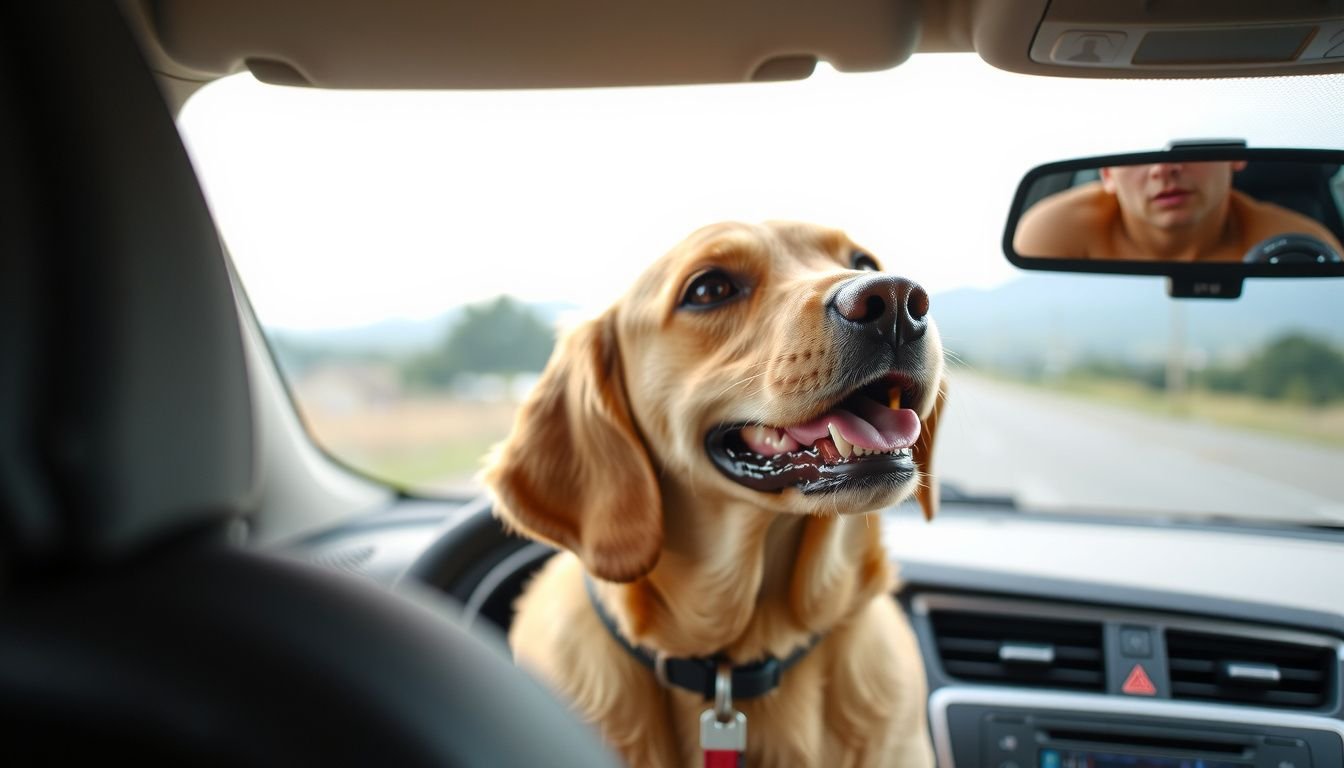
Can you leave dog in car—ever? Many pet owners have wondered this, especially when running a quick errand or making a brief stop. Veterinarians and animal welfare organizations consistently warn against it, highlighting the severe risks involved.
Even with windows cracked or on mild days, a parked car can become hazardous for dogs within minutes. Understanding why this simple act can turn dangerous is crucial for anyone responsible for a pet. This article explains the science, laws, and risks, while also offering safe alternatives and actionable steps to keep pets protected.
Learn how to make informed decisions for your dog’s safety and well-being.
Understanding the Risks of Leaving Dogs in Cars
Leaving a dog in a parked car, even briefly, can result in rapid overheating, dehydration, and even death. Dogs regulate body temperature differently than humans, making them more susceptible to heatstroke. A car acts like a greenhouse, concentrating heat far beyond the outside temperature.
Within just 10 minutes, the interior temperature can climb by 20 degrees Fahrenheit or more. Dogs can suffer organ failure or death if left in these conditions. Unlike humans, they primarily cool themselves by panting, which is ineffective in a hot, enclosed space.
Heatstroke symptoms can appear quickly and progress rapidly, leaving little time for intervention.
Even on cloudy days or with windows cracked, the danger remains. The risks are simply not worth taking, as no errand is worth endangering a dog’s life.
How Temperature Affects Dogs Inside Vehicles
Temperature inside a parked car can rise dramatically in minutes, regardless of the weather. On an 80°F (27°C) day, the temperature inside a car can reach 99°F (37°C) in 10 minutes and 120°F (49°C) within half an hour. Dogs are especially vulnerable because they can’t sweat to cool off.
Even mild days pose a threat. For example, at just 70°F (21°C), a car’s temperature can exceed 100°F (38°C) quickly. Studies have shown that cracking the windows has a negligible effect on reducing the heat.
- Short-nosed breeds (like pugs) overheat faster.
- Puppies and elderly dogs are at greater risk.
- Humidity increases danger, even at lower temperatures.
Every minute counts when a dog is left in a hot vehicle.
Legal Consequences of Leaving Dogs in Cars
Many regions have strict laws against leaving pets unattended in vehicles under dangerous conditions. Laws vary by state and country, but most define this as animal cruelty or neglect, punishable by fines or even jail time. In several U.S.
states and Canadian provinces, Good Samaritan laws allow bystanders to take action—such as breaking a window—if they believe a pet is in imminent danger.
Offenders may face:
- Fines ranging from $50 to $2,000
- Misdemeanor or felony charges
- Loss of pet custody
Ignorance of local regulations is not a defense. Pet owners are responsible for understanding and complying with applicable laws wherever they travel.
Common Misconceptions About Pet Safety in Cars
Several myths persist about leaving dogs in cars. The most common is that a quick stop or leaving windows cracked keeps the dog safe. In reality, heat buildup happens too quickly for these measures to offer meaningful protection.
- Myth: “It’s cloudy—my dog will be fine.”
- Fact: UV rays penetrate clouds, and cars still heat up rapidly.
- Myth: “I’ll only be gone five minutes.”
- Fact: Emergencies or delays can easily extend a brief stop, putting the dog at serious risk.
Even a short errand can become a tragedy. Always err on the side of caution and avoid leaving a dog in the car—even for a moment.
Recognizing Signs of Distress in Dogs Left Alone
Knowing the signs of heat distress can make the difference between life and death. Dogs suffering from heatstroke may exhibit:
- Heavy panting or rapid breathing
- Excessive drooling
- Glassy eyes
- Vomiting or diarrhea
- Staggering or collapse
In severe cases, a dog may become unresponsive. If any of these signs are observed, immediate action is necessary. Move the dog to a shaded area, offer cool (not cold) water, and seek veterinary care right away.
Delaying intervention can result in permanent organ damage or death.
Safe Alternatives to Leaving Dogs in Cars
Instead of risking a pet’s safety, consider these alternatives:
- Shop at dog-friendly stores so your pet can accompany you inside.
- Leave your dog at home, where conditions are controlled.
- Use curbside pickup or delivery services for errands.
- Travel with another person who can stay with the dog outside the car.
For example, one family out running errands rotates who stays outside with the dog while the other shops. This simple strategy eliminates risk and keeps everyone safe.
Steps to Take if a Dog is Found Alone in a Vehicle
If you spot a dog left alone in a car and suspect heat distress, act quickly:
- Assess the dog’s condition—look for signs of distress.
- Note the car’s make, model, and license plate.
- Alert nearby businesses to page the owner.
- Call local authorities or animal control if the owner can’t be found immediately.
- In some regions, you may legally break the window if the dog’s life is in imminent danger—know your local laws first.
Stay with the animal until help arrives. Document actions with photos or video for authorities. Prompt intervention can save a life.
Final Thoughts
Leaving a dog in a car, even for a few minutes, is dangerous and often illegal. No errand is worth risking a pet’s life. The risks of heatstroke, suffocation, legal penalties, and heartbreaking outcomes far outweigh any convenience.
By understanding the facts and recognizing the warning signs, pet owners can make safer choices. Choose alternatives that prioritize the dog’s well-being, and be prepared to act if another animal is in trouble. Responsible decisions protect pets—and offer peace of mind to those who love them.