
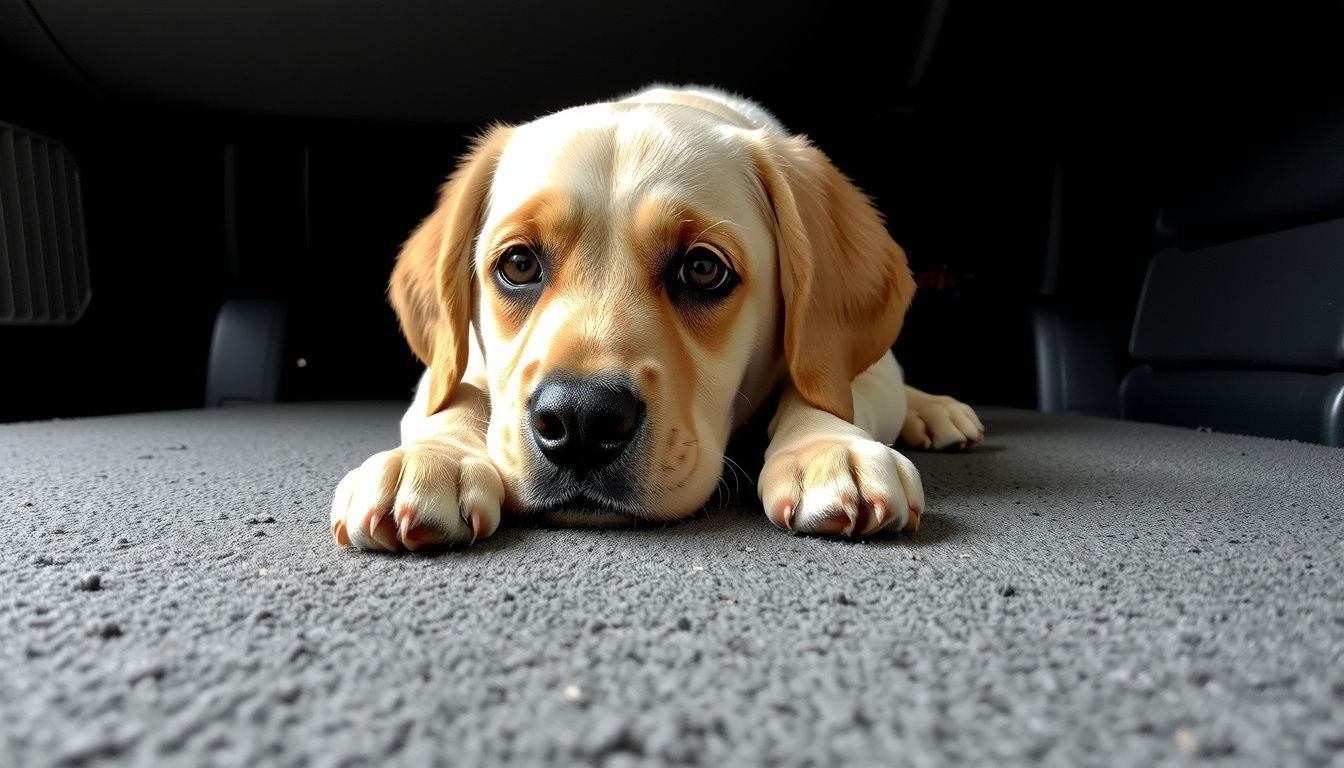
If you’ve ever asked yourself, how do you remove dog hair from car carpet, you’re not alone. I’ve wrestled with those stubborn fur tumbleweeds myself, especially after road trips with my Labrador. Over the years, I’ve tested everything from vacuum attachments to DIY tricks, and let’s just say I’ve learned what actually works (and what’s a waste of time).
Stick with me, and I’ll share my favorite tools, prep steps, and clever hacks to keep your car carpet fresh and fur-free. Ready to make that hairy mess a thing of the past? Let’s jump in.
Why Dog Hair Clings to Car Carpet
Dog hair seems to glue itself to car carpet, and there’s a science behind that misery. Most car carpets are made of synthetic fibers that create static electricity. When your dog shifts around, that friction causes hair to stick even more.
Some breeds shed fine, wiry hair that slips between carpet fibers and refuses to budge.
Humidity and temperature also play a role—dry air increases static and makes the problem worse. I’ve noticed my car gets hairier in winter, thanks to those dry conditions. Knowing why hair clings so persistently gave me a clue on which tools and tricks to use for better results.
My Go-To Tools for Removing Pet Hair
Over the years, I’ve built a small arsenal of pet hair removal tools. Here’s what I reach for first:
- Rubber gloves: The textured palms grip even tiny hairs.
- Handheld vacuum: A must for sucking up loosened hair.
- Pumice stone: Works wonders on stubborn patches, but test first to avoid carpet damage.
- Lint rollers: Great for quick sweeps or touch-ups.
- Spray bottle with water: Dampening the surface helps reduce static.
I keep these in a tote in my trunk so I’m never caught off guard by a fur explosion.
Prepping My Car for Cleaning
Before I even start removing hair, I do a little prep. I shake out and vacuum my floor mats first—no sense working over a filthy surface. Then, I open all the doors for light and fresh air, and remove any big items or trash that might get in the way.
Sometimes, I’ll lightly mist the carpet with water from a spray bottle to cut down static. Just don’t soak it; damp, not wet, is the goal. This step makes the process smoother and keeps stray hairs from floating right back onto the carpet.
Vacuuming: My First Line of Defense
Vacuuming is always my first attack. I use a handheld vacuum with a motorized brush head, moving slowly to give the suction time to work. For really persistent hair, I’ll go over the same spot in different directions—forward, backward, side to side.
If you’ve got a shop vac, crank it up for even more power. I always empty the vacuum canister first for maximum suction. It’s surprising how much hair comes up after just a few passes.
This step alone gets rid of the majority of loose fur, setting the stage for deeper cleaning.
Using Rubber Gloves to Lift Stubborn Hair
Here’s where the magic happens: I slip on a cheap pair of rubber dish gloves, slightly dampen them, and rub my hand over the carpet. The friction and rubbery texture grab hair that the vacuum missed. It’s oddly satisfying to see little piles of fur gather up.
This trick works especially well for stubborn, embedded hair. I’ve even used it on my car seats with great results. Bonus: it’s easy on your hands and super affordable.
When I’m done, I just rinse off the gloves and repeat as needed.
Tackling Corners and Crevices
Dog hair loves to wedge itself into corners, seat tracks, and under the pedals. I use a combination of tools to reach these tight spots:
- A crevice tool attachment on my vacuum
- A stiff-bristled brush or old toothbrush
- Duct tape wrapped sticky-side out around my finger for tiny areas
I run the brush along seams and edges, then vacuum up the loosened hair. Patience is key here—sometimes I have to go over a spot twice, but it’s worth the effort for a genuinely clean car.
DIY Solutions I’ve Tried and Loved
Sometimes I improvise, especially when caught without my usual tools. Here are a few DIY tricks I’ve used that actually work:
- Balloon static: Rubbing a balloon over the carpet attracts hair through static electricity—kids love to help with this one!
- Damp sponge: Lightly wet and run over carpet to collect clumps of fur.
- Fabric softener spray: Mix a small amount with water in a spray bottle, mist lightly, and wipe with a microfiber cloth to loosen hair and reduce static.
Once, after a muddy hike, I only had a sponge and a water bottle, but managed to clean the back seat carpeting in a pinch.
Preventing Dog Hair Build-Up in My Car
The best way to deal with pet hair is to prevent it from building up. I’ve learned to:
- Brush my dog before car rides, especially during shedding season
- Use a washable seat cover or blanket
- Crack the windows for airflow (less static!)
- Keep a lint roller in the glovebox for quick touch-ups
Regular light cleaning makes those deep sessions much easier, and my car always feels fresher.
Quick Fixes When I’m Short on Time
Sometimes I just need a fast tidy-up before giving someone a ride. My go-to hacks:
- Sticky lint roller for visible areas
- Dampened rubber glove swipe over the worst spots
- Vacuum just the seats and footwells
Ten minutes can make a big difference. I’ve even used packing tape in a pinch to lift hair off the passenger seat in seconds.
Final Summary
Dog hair and car carpets are a tricky combo, but with the right strategy, it’s totally manageable. I’ve found that a blend of vacuuming, rubber gloves, and a few DIY tricks works wonders. Prepping the area, using the right tools for tight spaces, and sticking to a regular routine keeps fur under control.
Preventive steps—like brushing your pup and using seat covers—save you effort in the long run. Next time you spot a hairy mess, you’ll have an action plan that actually works.