
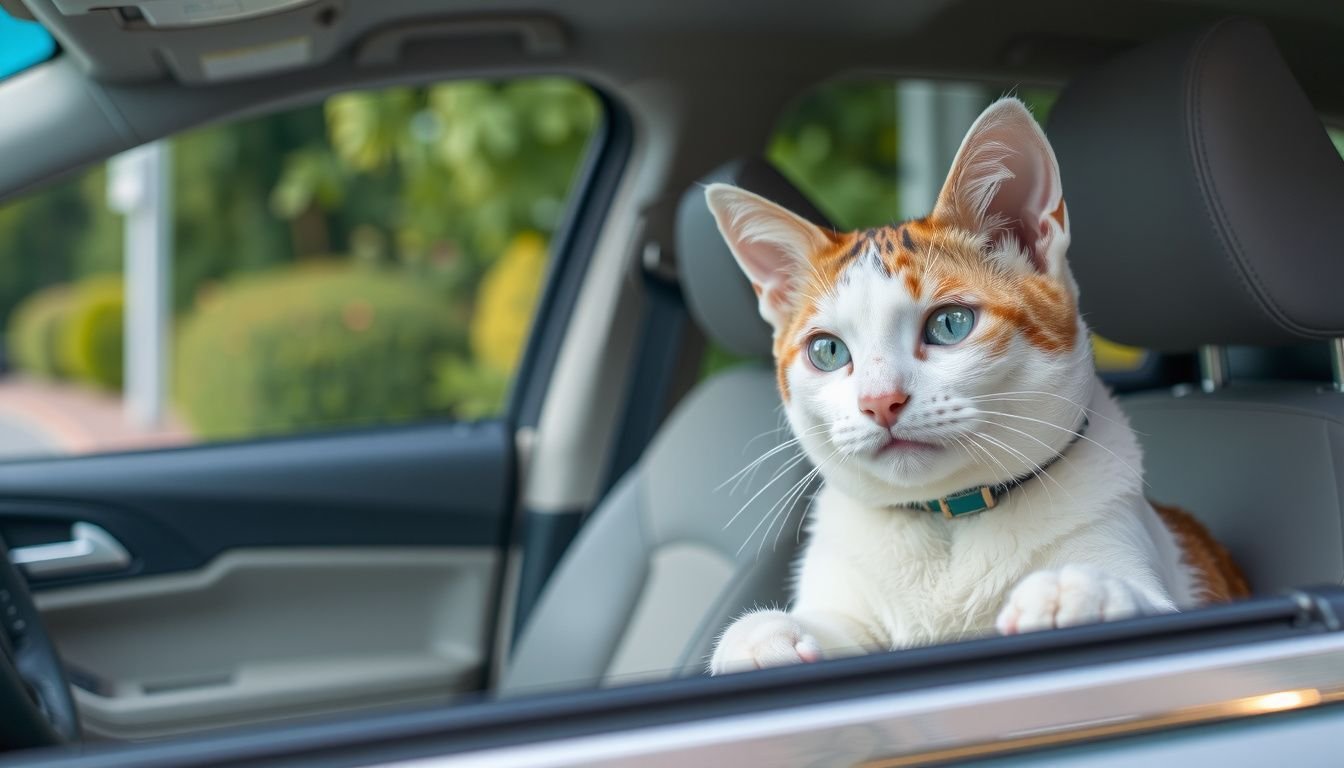
Learning how to calm a cat in a car can make any road trip less stressful for both you and your feline companion. Cats are creatures of habit, and car rides can disrupt their sense of security. The unfamiliar sights, sounds, and motion may trigger anxiety, vocalization, or even nausea.
By preparing thoughtfully and following proven steps, you can help your cat feel safe, secure, and calm—even during longer journeys. Whether you’re heading to the vet or embarking on a cross-country move, you’ll find practical, actionable advice here. Let’s make travel less of a trial and more of a breeze for your cat, starting before you even leave home.
Prepare Your Cat Before the Trip
Your cat’s comfort starts days before you ever buckle up. Begin by getting your cat used to the idea of travel. Feed them a small meal a few hours before departure to reduce motion sickness.
Schedule playtime to help burn off nervous energy so your cat is more likely to rest during the ride.
- Introduce short practice sessions: Carry your cat in their carrier around the house, then try brief car rides.
- Keep your demeanor upbeat—cats sense your stress.
- Plan your route to minimize travel time and sudden stops.
Pro tip: For skittish cats, drape a towel over the carrier during practice runs to help them feel hidden and safe.
Choose the Right Carrier for Comfort
The right carrier is your cat’s sanctuary on the road. Opt for a well-ventilated, sturdy carrier that’s large enough for your cat to turn around and lie down. Soft-sided carriers with secure zippers are quieter and less jarring, but hard-sided models offer more protection during sudden stops.
- Look for features: Removable bedding, multiple entry points, and easy-to-clean interiors.
- Test the carrier’s latches and handles for security.
- Ensure the carrier fits safely in your car’s seat or footwell.
Example: One pet owner found her anxious cat far calmer in a soft carrier lined with a favorite blanket, compared to a rigid plastic crate.
Familiarize Your Cat With the Carrier
Don’t wait until travel day to introduce the carrier. Leave it open in your cat’s favorite room for several days. Place treats, toys, or catnip inside to encourage exploration.
If your cat naps inside the carrier, you’re on the right track.
- Feed your cat meals near or inside the carrier.
- Spray a synthetic feline pheromone (like Feliway) inside 30 minutes before use.
- Practice closing the door for short periods, gradually increasing the time.
Common mistake: Forcing your cat inside suddenly can build negative associations and make future trips harder.
Create a Calming Environment in the Car
On travel day, keep your car’s environment as peaceful as possible. Secure the carrier with a seatbelt or wedge it between seats to minimize movement. Keep windows partially up to reduce noise and sudden gusts.
- Play soft music or white noise to mask road sounds.
- Maintain a comfortable temperature—cats overheat quickly.
- Avoid air fresheners or strong scents that may upset your cat.
Pro tip: If you’re traveling at night, dim the interior lights to help your cat relax.
Pack Essential Comfort Items and Supplies
Bring familiar items to help your cat feel more secure. Pack a small travel kit with essentials:
- Favorite blanket or t-shirt with your scent
- Favorite toy or chew item
- Water, a collapsible bowl, and a small litter tray for longer trips
- Cleaning wipes and poop bags for accidents
- Current ID tags and vaccination records
Never leave your cat in a hot or cold car unattended. Double-check you have everything before you depart.
Use Calming Products and Techniques
Consider using cat-specific calming aids. Synthetic pheromone sprays or diffusers can help reduce anxiety. For some cats, a calming collar or herbal supplement—approved by your vet—may also help.
- Start pheromones at least 30 minutes before travel.
- Try gentle talking or soothing music during the trip.
- Ask your vet about anti-anxiety medications for extremely nervous cats.
Important: Always test new products at home to observe for any adverse reactions before using them in the car.
Monitor Your Cat’s Behavior During Travel
Keep an eye (and ear) on your cat throughout the trip. Signs of stress include excessive meowing, panting, drooling, or trembling. If your cat seems distressed, pull over when safe to check on them.
- Offer water at rest stops for longer journeys.
- Never open the carrier in an unsecured area—cats can bolt when frightened.
- Stay calm and reassuring; your demeanor affects your cat’s mood.
Look for signs of improvement with each trip—some cats become calmer with repeat exposure and positive reinforcement.
Handle Arrivals and Exits Calmly
Arriving at your destination is often the most stressful moment. Park in a quiet area. Let your cat acclimate before removing the carrier from the car.
Only open the carrier when you’re securely indoors.
- Set up a quiet, safe room with the carrier open and familiar items inside.
- Let your cat exit the carrier at their own pace.
- Offer water and a litter box nearby.
Pro tip: Avoid excessive handling right after arrival—give your cat time to decompress.
People Also Ask
How do I stop my cat from meowing in the car?
Try using a familiar blanket, pheromone spray, and gentle music. Practice short car trips to build positive associations and reduce vocalization over time.
Is it OK to sedate my cat for car travel?
Only sedate your cat under direct veterinary supervision. Mild calming aids are often safer than sedatives, which may mask distress or cause side effects.
How long can a cat stay in a carrier during travel?
Most cats can tolerate 4-6 hours with regular breaks for water and a litter tray. Always monitor for signs of distress or discomfort.
Should I feed my cat before a car trip?
Feed a small meal 3-4 hours before departure to reduce motion sickness. Avoid feeding immediately before travel to prevent nausea and accidents.
What if my cat vomits or has an accident in the carrier?
Stop safely, clean your cat and the carrier with pet-safe wipes, and replace bedding. Carry spare liners, towels, and cleaning supplies for emergencies.
Start Here
Begin by choosing the best carrier and gradually introducing your cat to car travel. Pack comfort items, plan your route, and use calming techniques tailored to your cat’s personality. Monitor their behavior closely, and always prioritize their safety.
With patience and the right approach, you’ll master how to calm a cat in a car—making every trip smoother for both of you. Ready? Start prepping for your next journey now.