
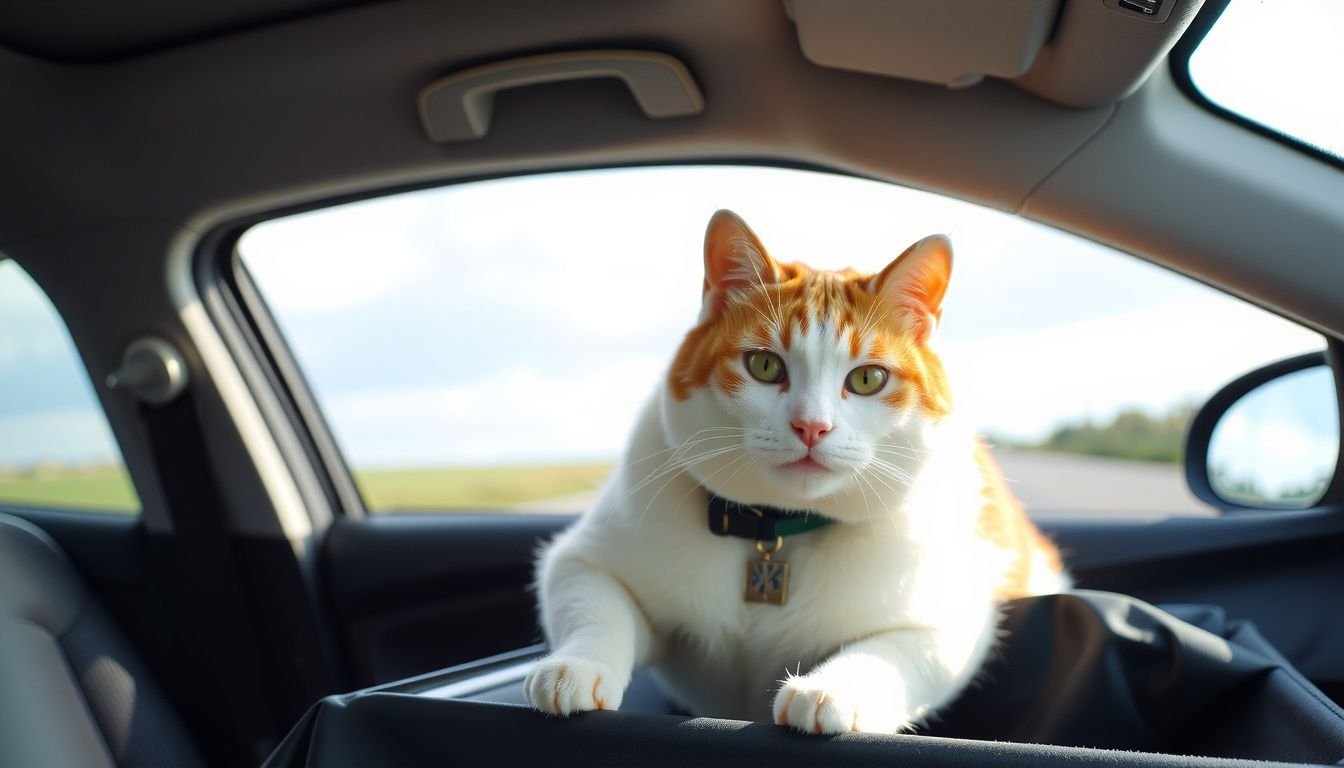
Wondering how do you travel with a cat in the car without the stress or chaos you might expect? You’re not alone—many cat owners worry about their feline friend’s comfort and safety on the road. With years of experience helping pet owners navigate journeys, I’ll walk you through the best strategies for a smooth car trip with your cat.
You’ll learn what to prepare, how to keep your cat calm, and how to deal with the unexpected. Ready to make your next trip easy for both you and your pet? Let’s get started!
Understanding Your Cat’s Travel Needs
Cats thrive on routine, so travel can feel overwhelming for them. Recognizing your cat’s personality is step one. Some cats are curious and adapt quickly, while others may hide or become vocal when anxious.
Watch for early signs of stress: heavy breathing, wide pupils, or excessive meowing. Knowing your cat’s typical behaviors lets you spot trouble early. Consider your cat’s age and health too; kittens and seniors may need extra attention.
Talk to your vet if your cat has medical concerns or if you’re planning a long journey. They can recommend calming solutions or medications. Always prioritize your cat’s physical and emotional comfort during every stage of travel.
Choosing the Right Carrier for Car Travel
The right carrier is crucial for your cat’s safety and comfort. Choose a sturdy, well-ventilated carrier that’s large enough for your cat to turn around and lie down, but not too spacious to slide during sudden stops.
Look for carriers with:
- Secure doors and latches
- Soft, washable bedding
- Easy access points for you and your cat
Soft-sided carriers are lighter and fit snugly in car seats, while hard-sided options offer more protection. Make sure the carrier fits safely on the back seat—never place it in the front due to airbags. Secure the carrier with a seatbelt or a special carrier strap for added stability.
Pre-Trip Preparation: Training and Familiarization
Start carrier training at least a week before your trip. Leave the carrier open in your home and place treats or toys inside to create positive associations. Gradually increase your cat’s time in the carrier, closing the door for short intervals.
Next, introduce your cat to the car environment. Place the carrier in the car with the engine off, then start short drives around your neighborhood. Offer reassurance with gentle words and treats.
These steps help reduce fear and unfamiliarity, making travel day far less stressful.
Consistency and patience are your best tools. Don’t rush—let your cat adjust at their pace for best results.
Packing Essentials for Your Cat’s Comfort
Pack a dedicated bag for your cat’s needs. Here’s what you should include:
- Favorite blanket or toy for familiarity
- Portable litter box and scoop
- Plenty of food and water (plus bowls)
- Any medications your cat requires
- Waste bags and cleaning wipes
- Copies of vaccination records
Don’t forget a towel or absorbent pad in case of accidents. Pre-pack treats or calming sprays to use if your cat gets anxious. Being well-prepared prevents last-minute scrambles and keeps both you and your cat relaxed.
Safety Measures During Car Rides
Always keep your cat secured in their carrier throughout the trip. Allowing a cat to roam freely in the car is dangerous, as they can distract the driver or get injured in sudden stops.
Position the carrier in the back seat and use a seatbelt to anchor it. Adjust climate controls to avoid overheating or drafts. Never leave your cat alone in a parked car, even briefly—the temperature can rise or fall quickly, putting your pet at risk.
If you must stop, park in the shade and check on your cat frequently. For longer trips, plan safe, quiet stops where you can attend to your cat’s needs without stress or escape risks.
Managing Food, Water, and Litter on the Road
Feed your cat a small meal 3-4 hours before departure to reduce nausea. During the trip, offer water at rest stops to keep them hydrated—especially in warm weather.
For longer journeys, bring a compact litter tray and disposable liners. At scheduled breaks, set up the tray in the car or a secure, enclosed area. Clean up promptly to maintain hygiene and comfort.
Monitor for signs of hunger, thirst, or discomfort. Some cats may not eat or use the litter box until they feel settled, so don’t worry if this happens on shorter drives.
Helping Your Cat Stay Calm and Relaxed
Familiar scents help your cat feel secure. Use a favorite blanket or a pheromone spray (like Feliway) inside the carrier. Play soft, soothing music and keep conversation gentle during the drive.
For cats prone to anxiety, consult your vet about natural calming aids or prescription medications. Check in on your cat often—if they seem stressed, pause for a break, but don’t open the carrier in an unsecured or unfamiliar area.
Real-world example: One client found that her nervous tabby relaxed when she placed a worn T-shirt in the carrier. The familiar scent made all the difference.
Handling Emergencies and Unexpected Situations
Prepare for the unexpected by packing a pet first aid kit and keeping your vet’s number handy. Know where the nearest emergency vet clinics are along your route.
If your cat escapes, stay calm. Close car doors, secure the area, and use treats or familiar sounds to encourage your cat to return. For motion sickness, ask your vet about safe remedies before you travel.
Unexpected traffic or weather delays? Keep extra food, water, and bedding on hand to help your cat stay comfortable until you reach your destination.
Post-Travel Care and Settling In
Once you arrive, set up a quiet, enclosed space with your cat’s familiar items. Let them exit the carrier at their own pace. Offer food, water, and a clean litter box right away.
Watch for signs of stress or illness—hiding, not eating, or changes in litter box use. Some cats may need several hours (or days) to adjust, especially in a new home or hotel.
Spend time with your cat, but don’t force interaction. A calm, predictable environment helps your cat recover from the journey and feel secure in their new space.
Quick Answers
How long can a cat stay in a carrier during a car trip?
Cats can usually handle 6-8 hours in a carrier with breaks. Plan stops every 2-3 hours for water, comfort, and litter box access.
Should I sedate my cat for car travel?
Sedation is only recommended under veterinary supervision. Most cats do well with training and calming aids instead of medication.
Can my cat sit on my lap while driving?
No. It’s unsafe for your cat and distracting for you. Always keep your cat in a secured carrier during car travel.
What if my cat gets car sick?
Feed smaller meals before travel, and ask your vet about anti-nausea medications. Keep the car cool and minimize sudden movements.
Final Thoughts
Traveling with your cat by car doesn’t have to be stressful. With thoughtful preparation, the right carrier, and a calm approach, you can make the journey safe and comfortable for both of you. Remember to respect your cat’s needs, pack carefully, and stay alert to signs of distress.
Every trip is a chance to strengthen your bond and create positive memories—so embrace the adventure, knowing you’re fully prepared for the road ahead.