
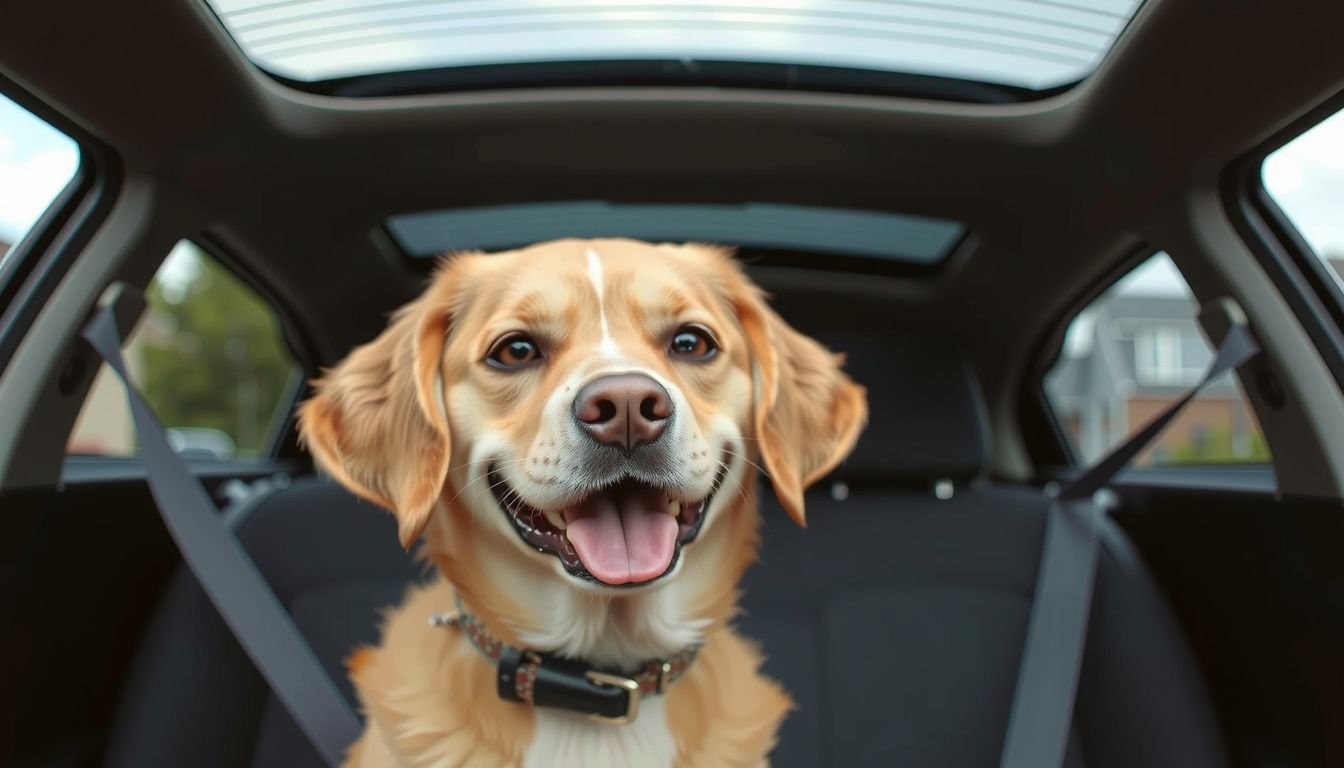
If you’re searching for how to keep a dog from getting car sick, you’re not alone. Motion sickness in dogs is common—especially in puppies or those new to car travel. The right preparation can make journeys smoother for both you and your canine companion.
You’ll need to consider your dog’s comfort, gradually build positive associations with car rides, and pay attention to timing for food and water. Remedies range from simple training tweaks to consulting your veterinarian for persistent cases. Let’s walk through the key steps to help your dog enjoy the ride—without the queasy aftermath.
Imagine your weekend road trip with your Labrador, who used to tremble and drool at the sight of your car, now resting calmly in the backseat. That transformation is absolutely possible.
Prepare Your Dog Before the Trip
Start by letting your dog get comfortable with the car environment—before you even start the engine. Allow your dog to explore the interior while the car is parked. Reward calm behavior with treats and gentle praise.
This builds positive associations and reduces stress.
Try these steps:
- Open the car doors and let your dog sniff around.
- Invite your dog inside, keeping the car turned off. Sit together for a few minutes.
- Give treats, toys, or a favorite blanket to help your dog feel relaxed.
Repeat this process over several days. If your dog starts to show excitement or calmness, you’re heading in the right direction. Never force your dog into the car—this can make the fear worse.
Patience is your best ally here.
Choose the Right Car Setup for Comfort
Your dog’s position and restraint in the car matter. Aim for a setup that minimizes motion, offers security, and reduces anxiety. The back seat is usually the safest and least bumpy spot.
Use a harness, crate, or dog seatbelt to prevent sudden movements.
- Crates: Provide a stable, familiar space and limit sightlines to reduce motion clues.
- Dog seat belts or harnesses: Keep your dog secure and prevent pacing or sudden jumps.
- Window shades: Block bright light and outside distractions.
Keep the car cool and well-ventilated. Never let your dog stick its head out the window—this increases risk and often worsens motion sickness. For example, one client found that using a crate with a favorite toy and a breathable cover helped her anxious Cocker Spaniel ride calmly for the first time.
Introduce Short Rides Gradually
Jumping straight into a long drive is a recipe for disaster. Start with short trips—just around the block. Gradually increase distance and duration as your dog becomes more comfortable.
This slow approach desensitizes your dog to the motion and sounds of car travel.
- Begin with a five-minute ride. Return home and reward your dog.
- Gradually increase each trip by a few minutes every few days.
- Vary the destination—sometimes to a fun place like the park, not just the vet.
If your dog starts to pant, drool, or whine, pause the training and try again later. Consistency is key, but so is respecting your dog’s pace. Over time, you’ll likely see a decrease in anxiety and signs of nausea.
Manage Food and Water Intake Before Travel
What—and when—your dog eats before a ride can make a big difference. Avoid feeding your dog a large meal within two hours of departure. A light snack, however, may help settle the stomach.
Make sure your dog is hydrated but don’t allow excessive drinking right before leaving.
| Timing | Recommended Action |
|---|---|
| 2-3 hours before trip | Last full meal |
| 1 hour before trip | Small snack if needed |
| Departure | Offer water, then limit access during ride |
Skipping a meal or overfeeding can both worsen car sickness, so aim for balance. Always bring water for stops, especially on longer trips.
Use Positive Reinforcement During Rides
Reward calm, relaxed behavior during every stage of car travel. Bring your dog’s favorite treats, chew toys, or a comforting blanket. Every time your dog gets in the car without showing signs of stress, offer immediate praise and a treat.
- Use high-value rewards only given during car rides.
- Stay upbeat—dogs pick up on your mood.
- End rides with playtime or a walk to further build positive associations.
If your dog begins to associate the car with fun outcomes, reluctance and sickness often decrease. Avoid scolding if accidents happen—patience and encouragement work best.
Try Natural Remedies and Comfort Tools
Sometimes, a little extra help is needed. Consider natural options such as ginger treats, calming pheromone sprays, or pressure wraps (like a Thundershirt). These can soothe nausea and reduce anxiety for many dogs.
- Ginger: Small amounts in dog-safe treats can aid digestion.
- Pheromone sprays: Mimic calming mother-dog scents.
- Pressure wraps: Provide gentle, constant pressure to instill calm.
Test these remedies before a long trip to ensure your dog tolerates them well. Some dogs respond dramatically to a pheromone-infused collar, while others find relief from a ginger biscuit before departure. Monitor for allergies or side effects.
Consult a Veterinarian for Persistent Issues
If car sickness continues despite your efforts, it’s time to talk to your vet. Persistent vomiting, drooling, or distress may require medical intervention. Your vet might recommend prescription anti-nausea medications or suggest behavioral therapies tailored to your dog.
Describe your dog’s symptoms, travel history, and any remedies you’ve tried. This helps your vet pinpoint the cause—whether it’s anxiety, a physical issue, or a combination. Never give human medications without professional guidance, as many are toxic to dogs.
Working with a vet ensures your dog’s safety and comfort. For some, professional advice is the turning point to stress-free travel.
Start Here
You’ve got the tools—now it’s time to put them into action. Begin with easy car introductions, adjust your travel routine, and follow your dog’s signals. If you see progress, keep building on those positive experiences.
If your dog still struggles, consult your veterinarian without delay. Every dog is unique, and with some patience, you’ll find the right approach for your situation. Soon, car rides can shift from stressful events to shared adventures—and you’ll both look forward to the journey ahead.