
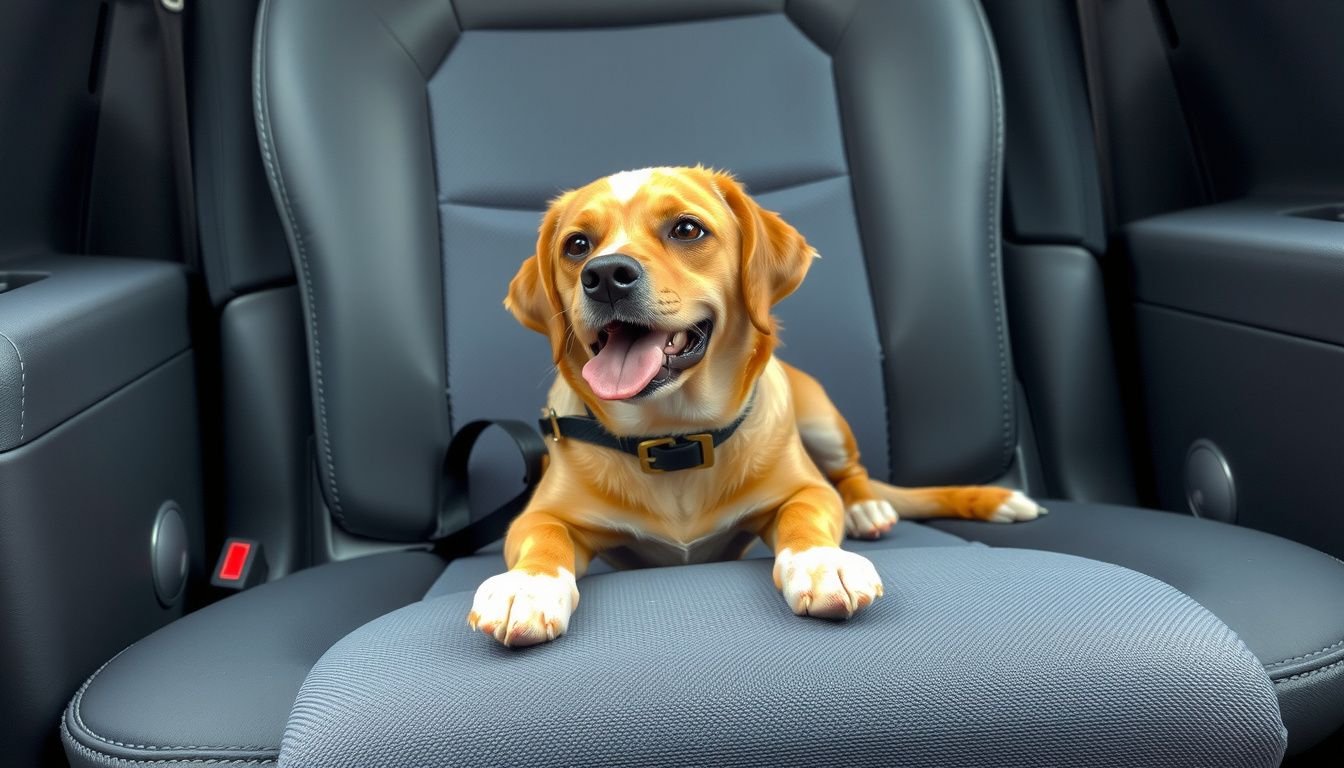
Ever found yourself frantically Googling how to get dog urine out of car seat after a surprise accident? I sure have—and let me tell you, nothing ruins a road trip vibe faster than that unmistakable smell. The trick isn’t just to mask the odor, but to get rid of it at the source before it settles in for good.
The good news? You don’t need fancy gadgets or professional help. With the right approach (and a bit of elbow grease), you can reclaim your fresh-smelling car.
I’ll walk you through the step-by-step process I’ve used—successfully—on cloth and leather seats alike. Along the way, I’ll flag what works, what doesn’t, and the single biggest mistake most pet owners make.
Gather Supplies and Prep the Area
Before you start scrubbing, make sure you’ve got everything handy. Trust me, scrambling for paper towels mid-cleanup is not fun. Here’s what you’ll need:
- Absorbent paper towels or clean rags
- Baking soda
- White vinegar (or an enzymatic cleaner if you have it)
- A spray bottle
- Soft-bristled brush or old toothbrush
- Vacuum cleaner
- Rubber gloves (optional, but recommended)
Start by parking your car in a well-ventilated spot—windows down if weather allows. If possible, remove seat covers or mats for separate washing. For leather seats, double-check your cleaner is leather-safe.
I once used a harsh cleaner on my old Accord and learned the hard way: always test a tiny hidden patch first.
Blot and Soak Up the Urine Immediately
Speed is everything. The longer urine sits, the deeper it soaks into the padding and the harder it’ll be to banish the odor. Here’s my go-to method:
- Blot up as much liquid as possible. Press paper towels or rags firmly onto the spot—don’t rub, or you’ll spread the mess).
- If the seat is saturated, stack multiple towels and apply gentle pressure for a minute or two. Stand on them if you’re desperate (been there!).
- Repeat until the area feels barely damp to the touch.
A real-world example: My golden retriever, Max, got nervous during a vet trip and left a wet spot on my fabric back seat. Acting fast, I managed to prevent any lingering smell—because I blotted right away and didn’t let it soak in.
Pro tip: Avoid using a hair dryer or heat immediately—this can set the stain and odor permanently.
Apply Cleaning Solution and Scrub Effectively
Now, it’s time for the deep clean. For fabric seats, mix equal parts white vinegar and water in a spray bottle. For leather, stick to a leather-safe cleaner or a mild soap solution.
If you have an enzymatic cleaner, use it—these break down the proteins in urine (and really work wonders).
- Spray the solution generously on the stained area, making sure it penetrates but doesn’t drench the seat.
- Let it sit for 5–10 minutes to work its magic.
- With your brush, gently scrub in small circles, focusing on the edges where odor can linger.
- Blot up any excess liquid with fresh towels.
- Sprinkle baking soda over the damp spot. This helps draw out moisture and neutralize odor as it dries.
Common mistake: Using ammonia-based cleaners—they actually smell like urine to dogs, encouraging repeat accidents. Stick with vinegar, enzymatic cleaners, or products specifically labeled for pet stains.
Dry Thoroughly and Prevent Future Accidents
Proper drying is key to preventing mold, mildew, and that musty smell. Here’s what I do every time:
- Leave the car doors or windows open in a sunny spot for several hours, if possible.
- After a few hours, vacuum up the baking soda thoroughly.
- If the seat is still damp, aim a fan at the area or use a wet/dry vacuum for extra moisture removal.
Once the area is dry and odor-free, think about future prevention. Use a waterproof seat cover, especially for anxious or young dogs. I keep an old towel in my trunk for emergencies—life saver!
Also, reward your dog for peeing outside to reinforce good habits.
Pro tip: If odor persists after one round, repeat the cleaning process. Sometimes, older stains need a couple of passes to fully disappear.
What to Do Now
Now that you know how to get dog urine out of car seat, act quickly the next time disaster strikes. Gather supplies, soak up the mess, clean thoroughly, and dry completely. Don’t forget to use an enzymatic cleaner for best results, especially on stubborn stains.
If you’ve tried everything and the smell won’t budge, consider professional detailing—it’s rare, but sometimes necessary for older cars or deep-set odors. Keep a stain kit and extra towels in your trunk for peace of mind. Your car (and your nose) will thank you—and your next drive will be a lot more pleasant!