
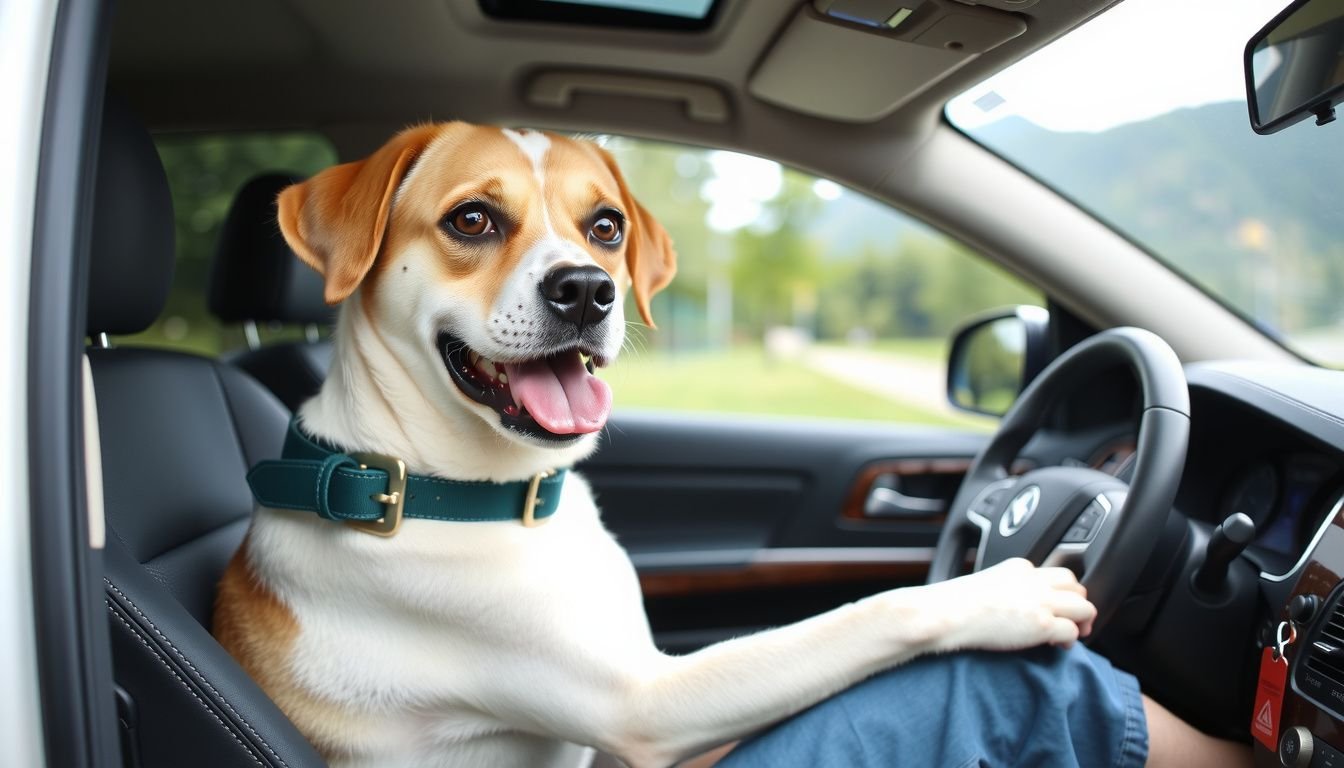
Ever wondered how to help dog anxiety in car? You’re definitely not alone. When my own dog started drooling and shaking at the mere sight of my car keys, I realized just how common—and stressful—car anxiety can be for both dogs and their humans.
The good news? With patience and the right strategies, you may help ease your dog’s nerves and make travel smoother for everyone. Let me walk you through actionable steps I’ve used and seen work for others, so you can create more peaceful car rides with your pup.
Prepare Your Car for a Stress-Free Ride
Before you bring your dog anywhere near the car, set the stage for calm. First, check that your car is clean and free of strong odors—dogs’ noses are much more sensitive than ours. Remove clutter and anything that could rattle or slide and startle your pup.
Next, consider the temperature. Cars heat up or cool down quickly, so aim for a comfortable environment. I always keep a small towel or blanket in the back seat that smells like home—familiar scents may help your dog relax.
Here’s a quick checklist to prep your car:
- Secure a crate or dog seatbelt for safety
- Block direct sunlight with window shades
- Play soft, soothing music at low volume
- Keep fresh water handy, especially for longer trips
Look, a little prep goes a long way. One time, simply switching from leather seats (which my dog’s paws slid on) to a grippy blanket made all the difference in her comfort level.
Introduce Short and Positive Car Experiences
Think of car rides like learning to swim: you don’t jump straight into the deep end. Start with baby steps. Let your dog explore the car while it’s parked—no engine, no pressure.
Toss a favorite treat or toy onto the seat and let your dog hop in and out on their own terms.
Gradually increase the exposure:
- Parked car, doors open, just sniffing inside
- Sitting together in the car for a minute or two
- Short engine-on sessions (don’t drive yet)
- Tiny drives around the block, ending on a high note
Each session should end before your dog gets anxious. If you see yawning, whining, or trembling, that’s your cue to slow down. Research suggests that gradual desensitization, paired with positive reinforcement, may reduce travel-related anxiety in many dogs.
Use Comfort Items and Calming Techniques
Comfort makes a huge difference. Bring along your dog’s favorite blanket or a worn t-shirt that smells like you—familiar scents may soothe anxious pups. For some dogs, a favorite toy or chew can be a great distraction en route.
Consider natural calming aids. Some pet owners find that pheromone sprays, calming collars, or gentle pressure wraps may help, though results can vary. Always check with your vet before introducing new products, especially if your dog has health concerns.
Pro tip: Try gentle petting or talking in a calm, upbeat voice. Dogs tune into our emotions, so steady reassurance may help. For example, when my dog started panting on a road trip, I quietly stroked her ears and hummed her favorite “song” (yes, she has one!).
She settled sooner than I expected.
Reward Calm Behavior and Build Positive Associations
Positive reinforcement is your best friend here. Whenever your dog stays relaxed in or around the car, immediately reward with treats, praise, or playtime. The more you pair the car with happy experiences, the less scary it becomes.
Mix up your destinations. If every car ride ends at the vet, your dog will catch on fast. Try trips to a fun park, a friend’s house, or even a drive-thru for a “puppuccino.” The goal is to help your dog see the car as a ticket to fun, not just stress.
- Stay consistent with rewards after each calm car outing
- Use high-value treats—think chicken, cheese, or whatever your dog loves most
- Celebrate small wins, even if that’s just sitting calmly for 30 seconds
Remember, some dogs may take weeks or longer to feel at ease. Patience and consistency are everything.
Monitor Progress and Adjust Your Approach
Every dog is different. Track your pup’s reactions: Do they start panting as soon as you approach the car, or only once you’re driving? Are certain times of day better?
Keeping a simple journal may help you spot patterns and tweak your approach.
If anxiety isn’t improving or seems severe—think nonstop barking, vomiting, or attempts to escape—please consult a qualified trainer or veterinarian. There may be underlying issues that require professional support or, in some cases, medication.
Here’s a quick table of progress signs to watch for:
| Positive Signs | Warning Signs |
|---|---|
| Relaxed body language Taking treats in the car Curiosity about the car |
Excessive drooling Shaking or whining Refusing to enter the car |
Adjust your pace based on what your dog is telling you. Some weeks will be better than others, and that’s okay.
Putting It Into Practice
Helping your dog feel calm in the car is a process, not a quick fix. Start small, celebrate every bit of progress, and don’t hesitate to ask your vet or a certified trainer for guidance if things stall. I’ve seen anxious dogs transform into happy co-pilots with a little patience and a lot of love.
If you stick with these steps, you’ll likely see your dog grow more confident—and your road trips may shift from stressful to enjoyable. Safe travels, and give your pup an extra treat from me!