
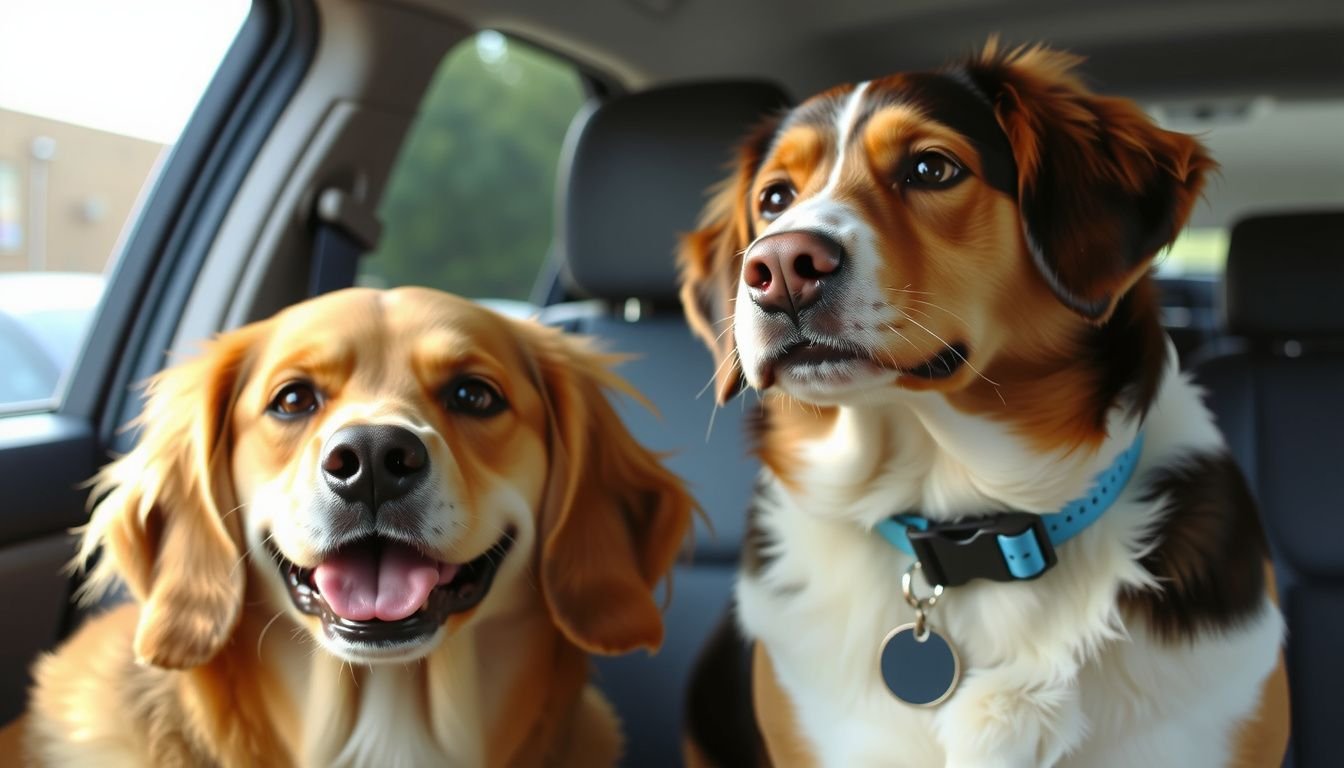
Let’s be honest—watching my dog drool, tremble, or throw up during even short drives is heartbreaking. If you’re searching for how to prevent car sickness for dogs, you’re not alone. Many dogs, especially puppies and anxious travelers, struggle with motion sickness.
The good news? With a bit of prep, patience, and some clever tricks, you can help your pup feel better on the road. I’ve been through the trenches with my own dog, Molly, who went from car-phobic to road trip ready.
Here’s exactly what worked for us, and how you can make car rides smoother for your dog too.
Prepare My Dog Before Traveling
Success starts before you even open the car door. I always make sure my dog’s had a light meal three to four hours before we hit the road—never right before leaving. A full stomach can make nausea worse, but hunger isn’t great either.
- Gradual exposure: I practiced short, positive car sessions with Molly, first just sitting in the car, then short drives around the block. Treats and her favorite toy helped make the car a happy place.
- Familiar scents: I put a blanket from home in her travel crate. This simple step comforted her more than I expected.
- Vet guidance: If your dog’s prone to anxiety or vomiting, talk with your vet. They might suggest safe anti-nausea meds or calming supplements.
The goal is to build positive associations and avoid overwhelming your dog before the trip even starts. For Molly, these pre-trip rituals made all the difference.
Create a Comfortable Car Environment
Once you’re ready to hit the road, think like a dog: What would make this moving box less scary? First, I always secure Molly—either in a well-ventilated crate or using a dog seatbelt harness. Safety and stability calm nerves and prevent sudden movements from making things worse.
- Temperature control: I keep the car cool and crack the windows to balance air pressure and bring in fresh smells.
- Minimize stimulation: Loud music, strong scents, or bright sunlight can trigger car sickness. I use sunshades and keep things quiet.
- Stable positioning: Placing Molly’s crate on the floor behind the front seat (centered over the axle) helps reduce motion and sway.
A practical example: I once made the mistake of letting Molly sit on my lap—she vomited halfway down the block. Now, her crate is her safe zone, and she’s much happier.
Use Simple Techniques During the Ride
During the drive, I use a few easy tricks to keep Molly comfortable. First, I avoid sudden stops and sharp turns—smooth driving really does help dogs (and people!) stay settled.
- Planned breaks: I stop every hour or so for a short walk and a water break, especially on longer drives.
- Distraction: Chew toys or long-lasting treats keep Molly’s mind off the motion. Just nothing too rich or greasy—bland is better.
- Face forward: If possible, I position her so she’s looking forward, not out the side windows. This helps her inner ear sync up with what she sees.
Motion sickness sprays or calming pheromone wipes on her bedding can also help for more sensitive pups. If Molly ever looks uncomfortable, I pull over and let her walk around—even a few minutes out of the car resets her mood.
Monitor Progress and Adjust My Approach
No two dogs are the same, so I always pay attention to Molly’s signals. If she starts panting, drooling, or acting restless, I reassess—maybe she needs a longer break, or a shorter trip next time.
- Track symptoms: I keep notes on what triggers her discomfort—was it a bumpy road, long trip, or a certain time of day?
- Progress gradually: Increasing trip length slowly helped Molly build confidence. Small wins matter.
- Be flexible: If something isn’t working, I try a new strategy. Sometimes it’s a new type of crate, a different seat, or a pre-ride walk to burn off extra energy.
Eventually, Molly grew to tolerate—and even enjoy—longer rides. It took patience, but tweaking my approach paid off. Every dog’s learning curve is different, so stay observant and adjust as needed.
Your Action Plan
Here’s how I recommend getting started: Plan your next trip with a checklist—light meal, familiar bedding, safe restraint, and plenty of breaks. Watch your dog’s reactions and take notes after each ride. Don’t be afraid to ask your vet for help if needed.
Most importantly, celebrate progress, no matter how small. With patience and a bit of trial and error, you’ll figure out how to prevent car sickness for dogs—and turn stressful car rides into adventures you can both enjoy. Your dog’s comfort is worth the effort, and those happy tail wags at the end of the trip are priceless.