
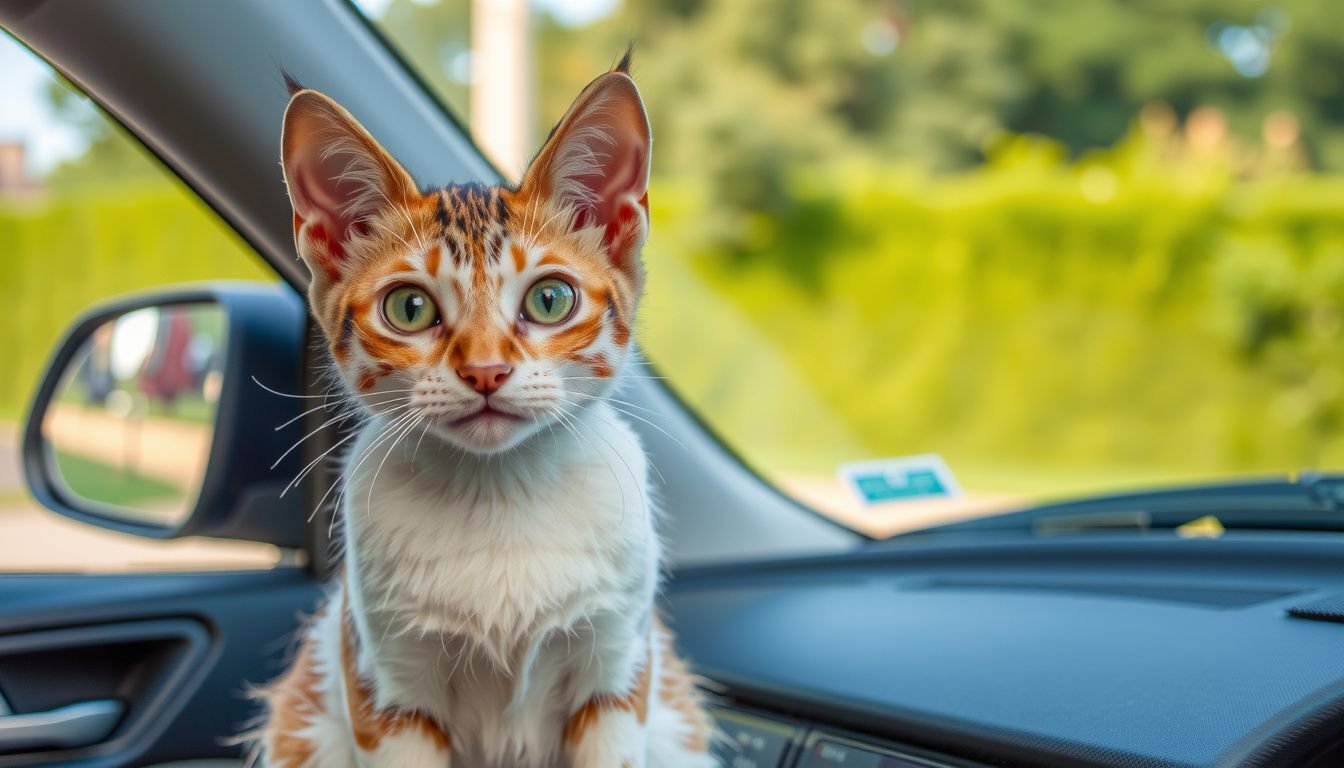
Wondering how to keep cats off of your car? You’re not alone. Cat paw prints, scratches, and fur can make your vehicle look neglected and even damage the paint.
Whether neighborhood strays or your own pets are the culprits, there are humane, effective ways to discourage feline visitors. You’ll want solutions that protect your car, respect local wildlife laws, and don’t harm the cats. In this guide, you’ll learn to assess your environment, gather the right tools, and apply proven deterrents.
Practical, step-by-step instructions walk you through every phase—so you’ll stop the problem before it starts. Ready to reclaim your car’s finish and keep cats happy elsewhere? Let’s get started, beginning with why cats pick your vehicle in the first place.
Assess Your Environment and Identify Cat Activity
Start by confirming that cats are actually the ones visiting your car. Look for telltale signs: dusty paw prints, shed fur, or scratches on the hood and windshield. If you’re unsure, set up a motion-activated camera overnight.
This not only confirms the culprit but may reveal patterns—like if cats visit at certain times or only after rain.
Next, examine your immediate surroundings. Is your car parked beneath trees, near garbage bins, or along a fence line? Cats love sheltered, elevated, or warm spots—your car’s hood after a drive is prime real estate.
Make a quick sketch or take photos of your parking area and note any easy access points for cats, such as low fences or overhanging branches. This groundwork helps you target your deterrent strategy where it’s needed most.
- Pro Tip: Connect with neighbors. Sometimes, a coordinated effort reduces stray cat activity for everyone.
- Common mistake: Assuming it’s just one cat—often, several roam the same area.
Prepare Essential Tools and Materials
Before acting, collect what you’ll need so you’re not scrambling mid-way. Here’s a quick checklist:
- Car cover (preferably waterproof and fitted)
- Motion-activated sprinkler or ultrasonic cat deterrent
- Cat-safe repellent sprays (citrus-based or commercial blends)
- Double-sided tape or aluminum foil (for surfaces)
- Gloves and cleaning supplies (to remove scents and markings)
Test all products on a small area first—some repellents can discolor paint or plastics. If you prefer DIY solutions, fresh citrus peels, coffee grounds, or vinegar-soaked cloths work in a pinch (though you’ll need to replace them frequently).
Example: One reader placed a fitted car cover and a motion-activated deterrent beside her car. Within a week, the nightly paw prints vanished—saving her time and detailing costs.
Apply Physical Deterrents to Your Car
Physical barriers are the most reliable way to stop cats from lounging on your vehicle. Start with a snug car cover, which not only blocks access but protects against scratches and fur. Choose a cover with reinforced grommets to secure it against wind and curious paws.
For quick fixes, try laying sheets of aluminum foil or double-sided tape on the hood and roof. Cats dislike the slippery, unfamiliar texture. Just remember to remove these before driving.
Some people line the top of their cars with plastic carpet runners (nubs facing up), but only use this method if you’re parked in a secure, private space.
- Pro Tip: Avoid sticky or harsh products that could damage your car’s finish.
- Common mistake: Using mothballs or toxic substances—these are unsafe for pets and illegal in many areas.
Use Safe Repellents Around Your Vehicle
Repellents work by making your car and its surroundings unappealing to cats. Opt for commercial sprays labeled “pet-safe” or make your own using diluted citrus juice, as most cats dislike citrus scents. Spray around your tires, wheel wells, and ground—never directly on paint unless the product is car-safe.
Motion-activated sprinklers or ultrasonic devices create a harmless deterrent zone. Place them near your parking spot; when a cat approaches, the device triggers a spray of water or a high-pitched tone, startling but not hurting the animal.
- Refresh sprays after rain or car washes.
- Rotate scents every few weeks for best results.
Be patient—cats are persistent. Consistency is key for repellents to work long-term.
Maintain Results and Troubleshoot Common Issues
Keep up with regular cleaning—cats often return to familiar scents. Wash your car and surrounding area weekly with an enzyme cleaner to remove lingering odors and markings.
If cats return, check for gaps in your approach. Are you reapplying repellents after rain? Is your cover secure?
Sometimes, small lapses give opportunistic cats a second chance. If a neighbor feeds strays nearby, try to address the source together.
- Pro Tip: Rotate deterrents every month. Cats are clever and can get used to static defenses.
- Common mistake: Giving up too soon. Some cats need several weeks of consistent discouragement.
If nothing works, consult your local animal control or humane society for additional, community-based options.
Common Questions
How do I stop my own cat from climbing on my car?
Provide alternative resting spots, like a heated cat bed or perch, away from your car. Reward your cat for using these instead of your vehicle.
Will these methods hurt the cats?
No—when used as directed, all suggested deterrents are safe and humane, focusing on making your car less appealing rather than causing harm.
How long does it take to see results?
Most people notice fewer cat visits within one to two weeks of consistent deterrent use. Some persistent cats may take longer to avoid the area completely.
Start Here
Ready to protect your car? Start by confirming cat activity and mapping out your parking environment. Gather your materials, then choose one or two deterrent methods to apply right away.
Monitor progress, adjust as needed, and remember—consistency wins. With a little effort, you’ll keep your vehicle clean and cat-free, while respecting the neighborhood’s feline residents. Stick with it, and enjoy a spotless car every morning.