
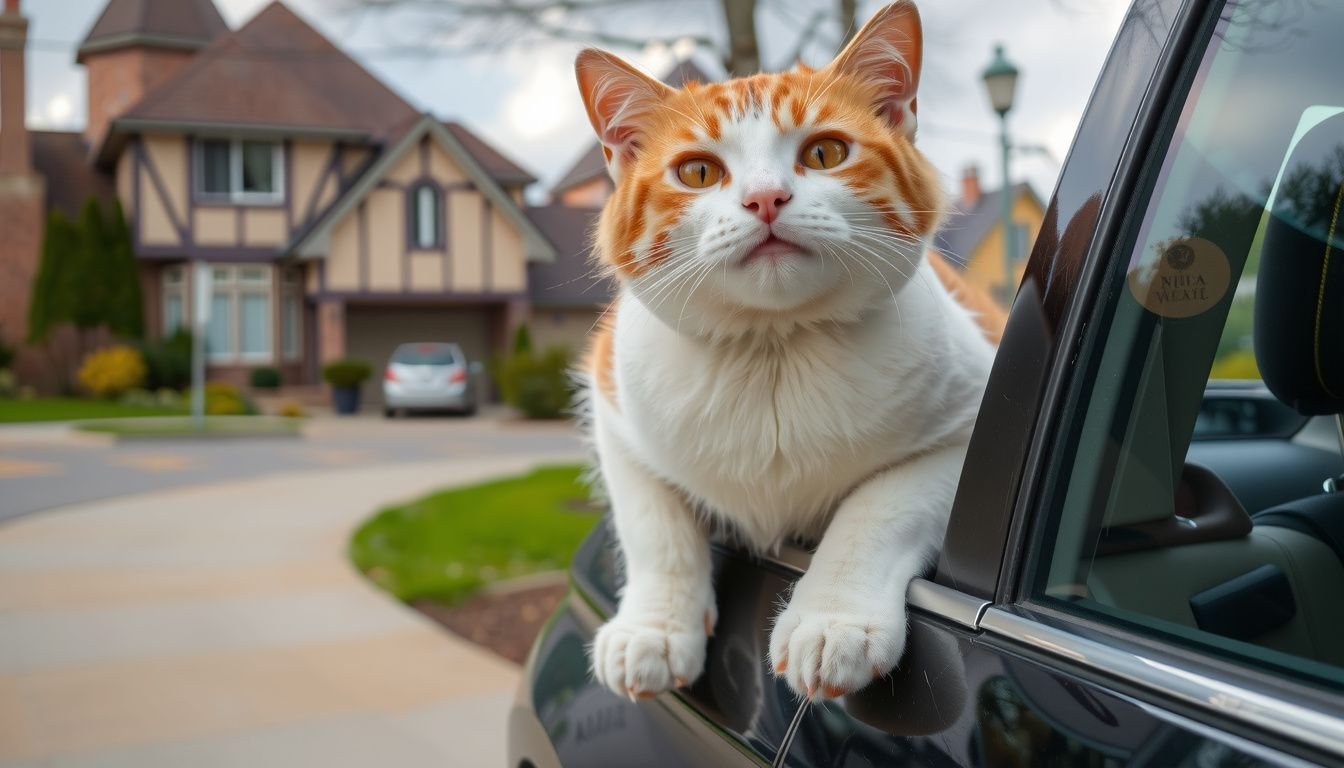
Trying to figure out how to keep cat off car? You’re not alone. Many car owners wake to find paw prints, scratches, or even cat hair on their vehicles.
Cats love the warmth of a recently parked car, and the smooth roof or hood is the perfect perch for a nap. While these feline visitors can be cute, their presence can also mean paint damage or unwanted mess. The good news?
You can take several proven steps to deter cats and protect your car—without harming the animals or resorting to extreme measures. Let’s map out a straightforward, effective plan that’ll help you reclaim your car’s pristine finish and keep neighborhood cats at bay.
Prepare Your Car and Gather Essential Supplies
Before you start, make sure you’re ready. Examine your car for existing cat-related damage like scratches or fur. Clean the vehicle thoroughly—cats are less attracted to unfamiliar, scent-free surfaces.
Next, gather the right supplies. Here’s a quick checklist:
- Car cover: Acts as a physical barrier against cats.
- Motion-activated deterrent: Devices that emit sound, water, or light.
- Safe repellents: Citrus sprays or commercial cat deterrent granules.
- Soft cloths and cleaning products: For regular maintenance.
Pro tip: If you park in a regular spot, clear away anything that might attract cats—like food scraps or a sheltering bush right next to your car. One reader reported that simply moving their trash bins away reduced nightly feline visits.
Identify Why Cats Are Attracted to Your Car
Cats are creatures of comfort and curiosity. Your car’s warmth after driving, the shelter it provides from rain, or even lingering food smells can all draw them in. Look for signs like paw prints, fur clumps, or claw marks to pinpoint when and why they’re visiting.
Common reasons cats favor your car include:
- Warmth: The engine and hood stay toasty long after you park.
- Shelter: Under the car offers protection from weather or predators.
- Scents: Food or other animals’ odors can attract them.
Here’s a practical example: Sarah noticed her neighbor’s cat always lounged on her hood after she returned from work. Once she started parking in a shaded, less sunny spot, the cat’s visits dropped off dramatically.
Apply Proven Deterrents to Keep Cats Away
Now for the real action. Choose deterrents that are humane and effective. Here’s what usually works best:
- Use a fitted car cover. This not only protects your paintwork but also makes the surface less inviting.
- Install motion-activated devices. Ultrasonic repellents or water sprayers startle cats without harming them.
- Apply scent-based repellents. Cats dislike citrus, lavender, or commercial sprays—test these on a small area first to avoid residue.
- Lay down physical barriers. Aluminum foil or double-sided tape on the hood can discourage climbing. Just remove before driving.
Common mistake: Don’t use substances like mothballs or harsh chemicals—they’re toxic to cats and illegal in many places.
Be consistent. Apply deterrents daily, especially at times when cats are most active (dusk and dawn).
Maintain Your Results and Monitor for Success
Once you’ve put deterrents in place, keep an eye on your car. Inspect for new paw prints or fur every morning. Reapply repellents after rain or car washes to maintain effectiveness.
Schedule a quick weekly clean and checkup. If you’re using a car cover, shake it out and inspect for holes or loose fit. Refresh scent-based products as directed.
- Tip: Talk to neighbors. Community cooperation can reduce stray or outdoor cat visits overall.
- Tip: If cats persist, try rotating deterrents—sometimes they adapt to just one method.
With regular monitoring, you’ll see fewer paw prints and less cat-related mess in no time.
Common Questions
Will sprinklers or water sprays hurt the cat?
No. Motion-activated water sprays only startle cats. They’re safe, non-toxic, and don’t cause harm—just an unpleasant surprise.
Can I use essential oils as a cat repellent?
Exercise caution. Some essential oils (like citrus) repel cats, but many are toxic. Always choose pet-safe products and avoid direct contact.
How long does it take for deterrents to work?
Most cats avoid your car within a few days of consistent deterrent use, but persistent cats might take a week or more to break the habit.
Putting It Into Practice
Start by cleaning your car and removing temptations. Choose the deterrents that fit your situation and use them consistently. Keep supplies handy and check your car each morning.
If you notice cats returning, switch up your methods or combine two approaches for maximum effect. Remember, patience and consistency are key. You’ll protect your paint, avoid cat mess, and keep both your car and your neighborhood feline-friendly.