
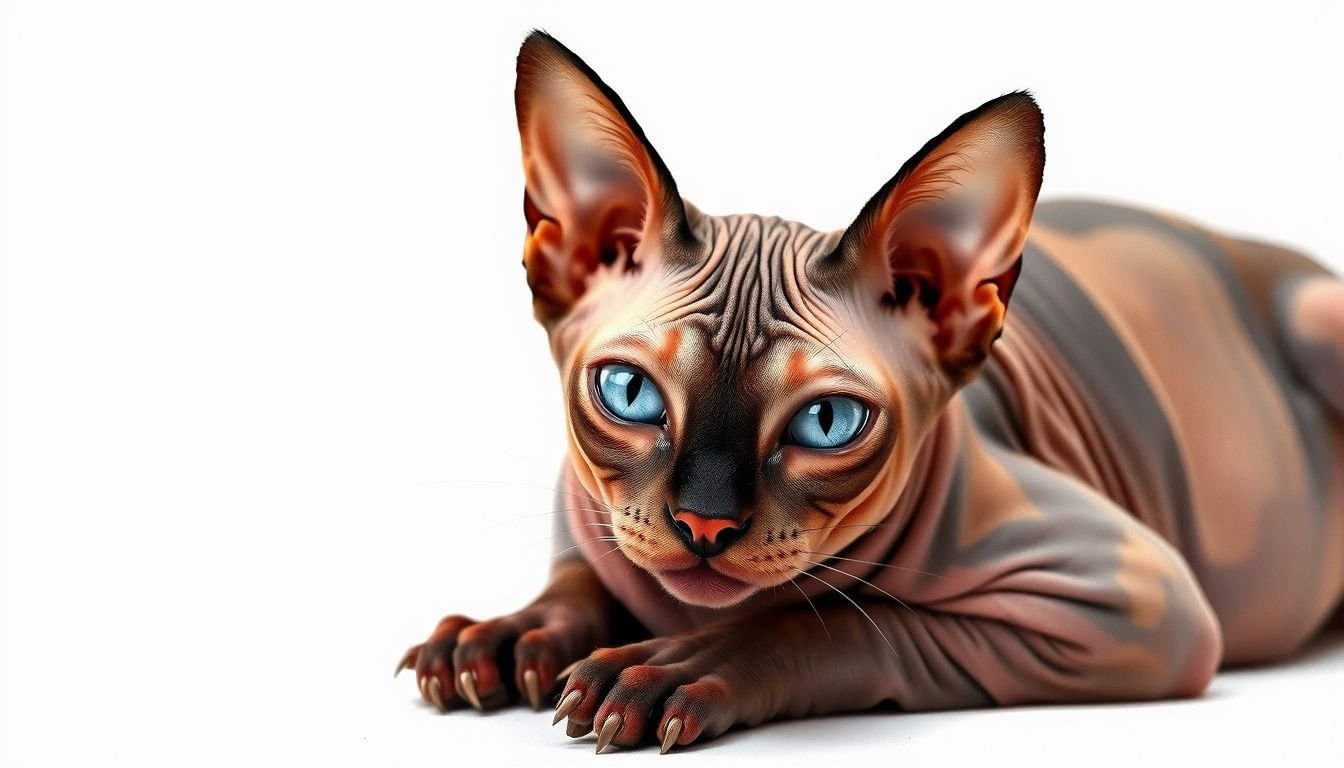
Learning how to take care of a sphynx cat means rethinking what you know about feline care. These cats are not just hairless—they’re high-maintenance, quirky, and crave human touch. You’ll notice their skin is exposed, making them sensitive to temperature and prone to skin issues.
Their affectionate personalities mean they’re usually glued to your side, seeking warmth and companionship. If you’re used to low-key, independent cats, Sphynx ownership is a different ride. For instance, one Sphynx owner realized her cat would hop into her lap during Zoom calls, shivering until wrapped in a blanket.
Ready to make your home Sphynx-approved? Here’s your expert roadmap.
Prepare Your Home for a Sphynx Cat
Start by evaluating your living space for warmth and safety. Sphynx cats get cold easily, so keep the thermostat steady—ideally between 68–75°F (20–24°C). Drafty windows or tile floors can sap their body heat; add cozy beds and soft blankets in sunny spots.
- Invest in heated cat beds—these offer consistent warmth.
- Remove hazards like sharp objects, open windows, or toxic plants.
- Have a few scratching posts and interactive toys ready—Sphynx cats are playful.
Pro tip: Place a small pet-safe heater in your cat’s favorite room. Avoid leaving your Sphynx in cold, empty rooms for long stretches. Neglecting warmth is a common mistake that leads to shivering and discomfort.
Understand the Unique Needs of Sphynx Cats
Sphynx cats lack fur, but they’re not “low maintenance.” They produce skin oils that aren’t absorbed, so regular cleaning is non-negotiable. Their personalities are another story: Sphynx cats are intensely social and crave your attention.
- Plan for daily interaction and playtime—they dislike being alone.
- Monitor your cat’s behavior. Lethargy or sudden hiding could signal health issues faster in Sphynx cats than in other breeds.
Unlike many cats, Sphynx will often greet you at the door and follow you around. Ignoring their need for company or stimulation leads to stress-related behaviors, like excessive meowing or mischief.
Establish a Regular Bathing Routine
Unlike their furry cousins, Sphynx cats need weekly baths to manage skin oils. Use a gentle, hypoallergenic cat shampoo and lukewarm water. Never use human or dog products—they irritate Sphynx skin.
- Fill the tub with 2–3 inches of warm water.
- Gently place your cat in, supporting their body.
- Massage shampoo into their skin, rinse thoroughly, and pat dry with a soft towel.
Make bath time positive: offer treats and praise. Don’t skip between baths or you’ll see greasy buildup, clogged pores, or even blackheads. If your cat resists, start with short, gentle sessions and gradually increase exposure.
Protect and Care for Your Cat’s Skin
Sphynx cats are prone to sunburn, rashes, and dry skin. Keep them indoors or limit sun exposure, especially during midday hours. Apply vet-approved, pet-safe moisturizers if you notice dry patches—but never use human lotions.
| Risk | Prevention |
|---|---|
| Sunburn | Keep indoors or use UV-blocking window film |
| Dry Skin | Regular baths, balanced diet, occasional moisturizers |
| Scratches/irritation | Keep nails trimmed, provide soft bedding |
Ear cleaning is vital, too—Sphynx cats accumulate wax quickly. Check and clean ears weekly with a vet-approved solution.
Provide Proper Nutrition and Hydration
Your Sphynx’s metabolism runs fast—they burn calories keeping warm. Opt for high-protein, balanced cat food, and feed measured portions two to three times daily. Wet food can help maintain hydration, but always provide fresh water.
- Look for foods with real meat as the first ingredient.
- Monitor your cat’s weight—Sphynx cats shouldn’t be skinny or overweight.
- Never feed human food scraps or dairy; their stomachs are sensitive.
Example: One owner noticed her Sphynx’s skin improved dramatically after switching to a grain-free, fish-based diet paired with daily wet food. Hydration and diet are your first defense against skin and digestive issues.
Monitor Health and Build a Vet Care Plan
Sphynx cats require vigilant health monitoring. Schedule wellness checks at least twice a year, even if your cat seems healthy. Discuss breed-specific risks, like hypertrophic cardiomyopathy (heart disease), with your vet.
- Establish a vaccination and parasite prevention schedule.
- Ask your vet about genetic screening for heart and skin conditions.
- Monitor for symptoms: rapid breathing, lethargy, or skin sores need immediate attention.
Keep a health log—document weight, appetite, and any new symptoms. This proactive approach helps your vet catch problems early. Skipping routine care is a critical mistake with this breed.
Common Questions
How often should I bathe my Sphynx cat?
Weekly baths are standard. Some cats with oilier skin may need bathing every 5 days. Adjust frequency if skin looks greasy or starts to smell.
Can Sphynx cats go outside?
It’s best to keep them indoors. Their skin is prone to sunburn, scratches, and temperature extremes. Supervised outdoor time is possible, but always use pet-safe sunscreen.
What’s the best diet for a Sphynx cat?
Choose a high-protein, balanced cat food. Wet food supports hydration. Avoid fillers and human food.
Ask your vet for brand or ingredient recommendations.
Do Sphynx cats get along with children or other pets?
Yes, if introduced gradually. Their playful, affectionate nature makes them great companions for gentle children and pet-friendly homes.
How do I keep my Sphynx warm in winter?
Use heated beds, sweaters, and keep your home at a steady temperature. Avoid drafts and cold floors. Monitor for shivering or lethargy during chilly days.
You’re Ready
Now you know how to take care of a sphynx cat—from creating a warm, safe environment to meeting their special hygiene and health needs. Start with the basics: warmth, regular bathing, quality food, and hands-on attention. Build a relationship with a Sphynx-experienced vet, and don’t skip routine checkups.
Your investment in care pays off with a healthy, affectionate companion who’ll keep you on your toes. Ready? Your unique, lovable Sphynx is waiting for the best care you can give.