
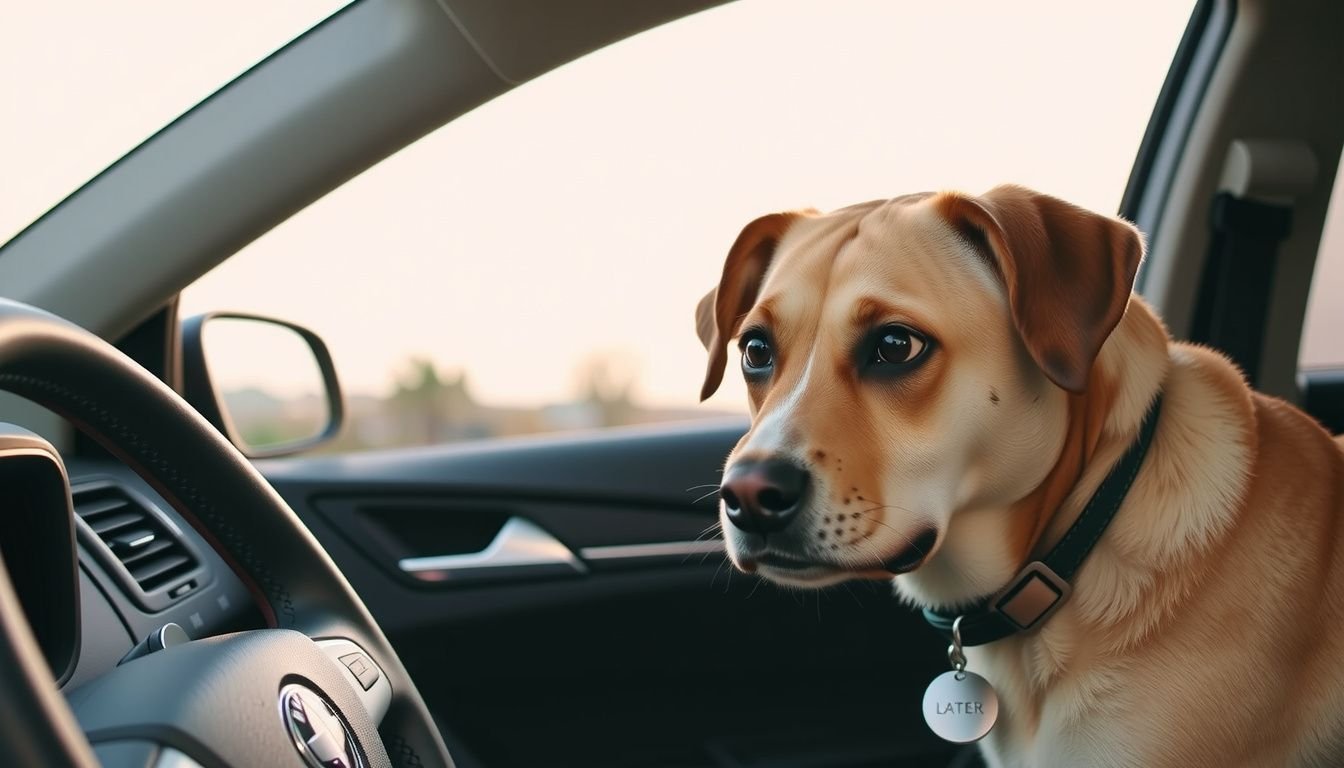
Let’s be honest: figuring out how to help dogs with car anxiety can feel like a puzzle. I’ve been there—clutching the leash as my pup trembles at the sight of my car. Car anxiety in dogs is surprisingly common and, thankfully, manageable with the right approach.
In this guide, I’ll walk you through the practical steps I’ve used to help dogs go from panicked passengers to calm companions. Every dog’s journey is unique, so think of these steps as a starting point and adjust as needed. Grab some treats, your patience, and let’s get rolling.
Understand What Triggers My Dog’s Car Anxiety
First, I needed to figure out exactly what was making my dog anxious. Some dogs fear the sound of the engine, while others associate car rides with stressful events like vet visits. For my own dog, it was the motion and the unpredictable noises.
Here’s how I pinpointed triggers:
- Watch for signs: Panting, whining, drooling, or refusing to enter the car are red flags.
- Recall past experiences: If car rides always ended at the vet, my dog’s anxiety made sense.
- Check the environment: Is the car too hot, cold, or noisy?
Once I understood the source, I could tailor my approach. Remember, every dog reacts differently—some may even be fine until the car starts moving. Identifying the “why” is the first real step toward relief.
Prepare Before Hitting the Road
Preparation made all the difference for me. If I rushed, my dog picked up on my stress. Here’s how I set us both up for success:
- Exercise first: A good walk may help burn off nervous energy before the car ride.
- Pack familiar items: A favorite blanket or toy in the car can provide comfort and scent familiarity.
- Keep essentials handy: Water, treats, and cleanup supplies are a must. Trust me, I learned this the hard way when my anxious pup got carsick.
For longer rides, planning bathroom breaks and avoiding feeding right before travel can reduce the risk of nausea. Small changes in your pre-trip routine can set a calmer tone for your dog.
Introduce My Dog to the Car Gradually
I found that slow, positive exposure often works better than forcing the issue. Here’s the process I followed:
- Start with the car off: I let my dog sniff around, enter, and exit without any pressure.
- Reward calm behavior: Treats and praise whenever my dog was near or in the car, even if just for a second.
- Add steps gradually: Once my dog was relaxed inside, I’d start the engine. Then, later, take quick drives around the block.
A real-world example: My neighbor’s rescue dog wouldn’t even approach the car. Over two weeks, she rewarded him for every brave step—from looking at the car, to touching it, to finally sitting inside. By week three, he was ready for short rides.
Patience and consistency really paid off.
Use Comfort Techniques During Car Rides
Once we were on the road, I used a few tricks to keep my dog calm. Here’s what worked for me and may help you too:
- Secure your dog: Using a harness or crate may help your dog feel safer and limit movement.
- Play calm music: Research suggests certain music, like classical or reggae, can relax anxious dogs.
- Offer treats or chews: A favorite chew or treat can be a positive distraction and reinforce good behavior.
- Keep windows cracked: Fresh air helps, but make sure your dog can’t jump or stick their head out fully for safety.
Some dogs may benefit from calming pheromone sprays or anxiety wraps, but always check with your vet before trying new products. If your dog’s anxiety is severe, a professional behaviorist or your vet may recommend other interventions.
Monitor Progress and Adjust My Approach
Tracking my dog’s progress helped me know what was working. After each ride, I’d jot down notes: Did my dog seem less anxious? Did he eat treats in the car yet?
- Increase ride time slowly: Keep early trips short and gradually extend them as your dog grows more comfortable.
- Stay flexible: If anxiety returns, I’d go back a step rather than push ahead too quickly.
- Celebrate small wins: Even sitting in the car without shaking was progress worth rewarding.
If I hit a plateau or saw setbacks, I’d pause and consult a professional. Anxiety can be stubborn and sometimes needs expert help. The most important thing?
I kept my expectations realistic and stayed patient with the process.
Your Action Plan
Helping a dog with car anxiety is a journey, not a sprint. Here’s what I recommend:
- Identify your dog’s specific triggers before you make changes.
- Prep the car and your routine to reduce stress for both of you.
- Introduce your dog to the car in small, positive steps—never rush.
- Use comfort techniques and keep rides short at first.
- Track progress, celebrate small improvements, and consult a professional if things stall.
With patience and a little creativity, many dogs learn to relax—sometimes even enjoy—car rides. Every pup is different, so keep an open mind and adjust as you go. Safe travels!