
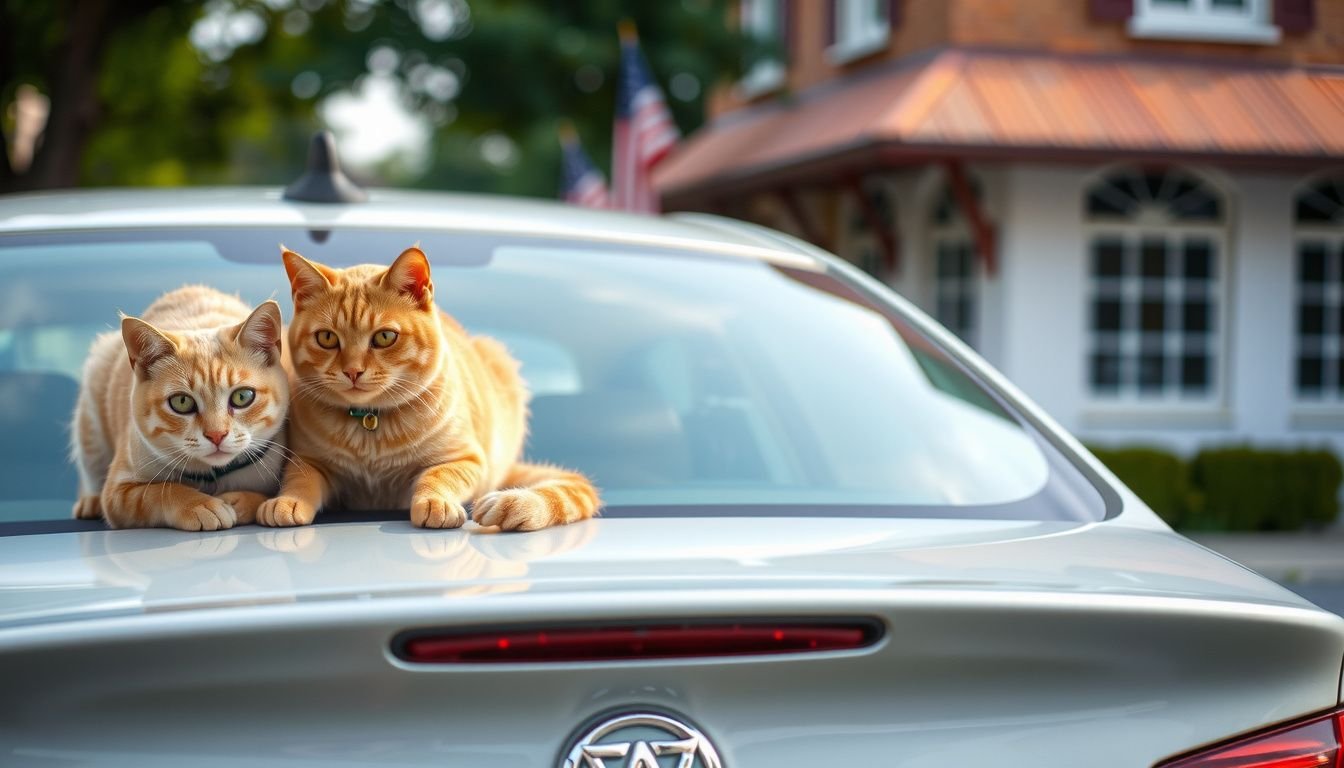
Ever wondered what does it mean to have cats on a car? You’re not alone—many car owners wake up or return from work to find feline visitors lounging on their vehicles. Whether you’re worried about paw prints or the cats’ welfare, understanding why this happens is the first step toward a solution.
With years of experience advising pet owners and car enthusiasts, I’ll guide you through the reasons for this quirky behavior, how to interpret feline actions, and what you can do to protect both your car and the cats. Let’s get straight to the facts so you can make informed, compassionate choices today.
- Common reason: Seeking warmth or comfort
- Risks: Scratches, paw prints, potential engine hazards
- Solutions: Physical barriers, safe deterrents
- When to worry: Injured, sick, or trapped cats
Introduction: Why You Find Cats on Your Car
Spotting a cat stretched out on your car can be puzzling. Usually, cats are drawn to cars for warmth or safety. After you’ve parked, the engine remains warm for hours—essential during cooler months.
Your vehicle’s hood, roof, or even tires can provide an elevated, cozy spot away from ground-level dangers. For some cats, especially strays or outdoor pets, cars offer shelter from rain, predators, or simply a place to nap undisturbed. Understanding these basic motivations is the starting point for addressing feline visits to your vehicle.
Common Reasons Cats Are Attracted to Cars
Cats are instinctively curious and opportunistic. Cars offer several features that appeal to them:
- Warmth: Recently used engines radiate residual heat, perfect for chilly nights.
- Height: Elevated surfaces give cats a vantage point to survey their territory.
- Safety: Cars can shield them from dogs, people, or other dangers.
- Curiosity: New smells, surfaces, and textures stimulate feline senses.
Neighborhood cats and strays often share these motivators. If your car is parked outside regularly, especially near bushes or trash bins, it’s even more likely to attract a wandering cat.
Interpreting Feline Behavior Around Vehicles
When you notice cats circling, jumping, or lounging on your car, you’re witnessing classic feline survival tactics. Cats may:
- Rub their scent on tires or mirrors to mark territory.
- Peer under the hood if they sense warmth or hear small animals.
- Rest on the roof or hood to escape ground predators or just relax.
Look for signs like fur, paw prints, or scratches. These clues can help you figure out if your car is a regular stop for local cats or just a one-time curiosity.
Potential Risks for Your Car and the Cats
While cats rarely damage cars intentionally, their presence can come with drawbacks:
- Scratches and paw prints: Claws may leave marks on paint or windshield wipers.
- Engine hazards: Cats seeking warmth might climb into the engine compartment, risking injury when you start the car.
- Health risks to cats: Exposure to antifreeze or sharp engine parts can be dangerous for felines.
Regularly check under your hood in colder months, especially if you suspect a cat has been nearby. Preventing accidents protects both your vehicle and the animals.
How Your Car’s Environment Attracts Cats
Your parking habits and surroundings matter. Cars parked under trees, near dumpsters, or close to gardens are more tempting for cats. The presence of food scraps, bird nests, or rodent activity increases feline interest.
If you park in quiet, low-traffic areas, cats may view your car as a safe, undisturbed haven. Even the color of your car can play a role—darker surfaces retain heat longer, making them more appealing in cold weather.
Preventing Cats from Climbing on Your Car
Want to keep cats off your vehicle? Try these practical strategies:
- Use car covers to physically block access.
- Park in a garage if possible.
- Move your car regularly to discourage routine visits.
- Remove food sources and keep the area clean.
A neighbor in my community used a fitted car cover and saw a dramatic reduction in feline visitors within a week—no more paw prints or fur on her paintwork.
Safe Ways to Deter Cats Without Harming Them
Always choose humane deterrents. Consider:
- Motion-activated sprinklers or lights.
- Natural repellents like citrus peels or specialized sprays.
- Plastic spike mats placed around tires (uncomfortable, not harmful).
Avoid toxic chemicals or loud alarms—they can harm or traumatize animals. Building positive relationships with local cat owners can also help reduce unwanted feline activity around your car.
What to Do If You Find a Cat on Your Car
If you spot a cat lounging on your hood, stay calm. Gently coax it down by calling softly or tapping nearby. Before starting your car, knock on the hood or honk lightly to alert any hidden cats.
If the cat appears friendly, check for a collar or ID tag. For strays, snap a quick photo and share it with neighbors or local animal groups in case someone is searching for a lost pet.
When to Seek Help: Addressing Stray or Injured Cats
If the cat is injured, trapped, or appears sick, contact your local animal rescue or shelter immediately. Never attempt to remove an injured or aggressive cat by yourself—you risk harm to both yourself and the animal. In urban areas, animal control services can safely handle the situation.
If you notice the same stray cat repeatedly, consider reaching out to a Trap-Neuter-Return (TNR) program for ongoing support.
What Readers Ask
Do cats damage car paint?
Most cats won’t cause major damage, but sharp claws can leave minor scratches or swirl marks, especially on dirty or dusty cars.
Why do cats sleep on car hoods?
Cat sleep on car hoods mainly for warmth and comfort, especially after the engine has been running and is still radiating heat.
Is it safe to use commercial cat repellents?
Most are safe if labeled pet-friendly, but always read instructions and avoid harsh chemicals that could harm animals or your car’s finish.
What should I do if a cat is stuck in my engine?
Don’t start the car. Gently tap the hood or honk. If the cat won’t leave, call local animal rescue or animal control for safe removal.
Final Summary
Seeing cats on your car is common, especially where outdoor felines roam. These visits are usually about warmth, safety, or curiosity. While minor, risks do exist for both your vehicle and the animals.
By understanding why cats are attracted to cars and using humane deterrents, you can protect your investment and the local wildlife. If you ever encounter injured or persistent stray cats, don’t hesitate to seek professional help for everyone’s safety.
- 60-Second Recap
- Cats seek cars for warmth, safety, and curiosity.
- Risks: Scratches, paw prints, engine hazards for cats.
- Prevent cats by using covers, repellents, and keeping surroundings clean.
- Always use humane deterrents—never toxic chemicals.
- Call animal rescue for injured, sick, or trapped cats.