
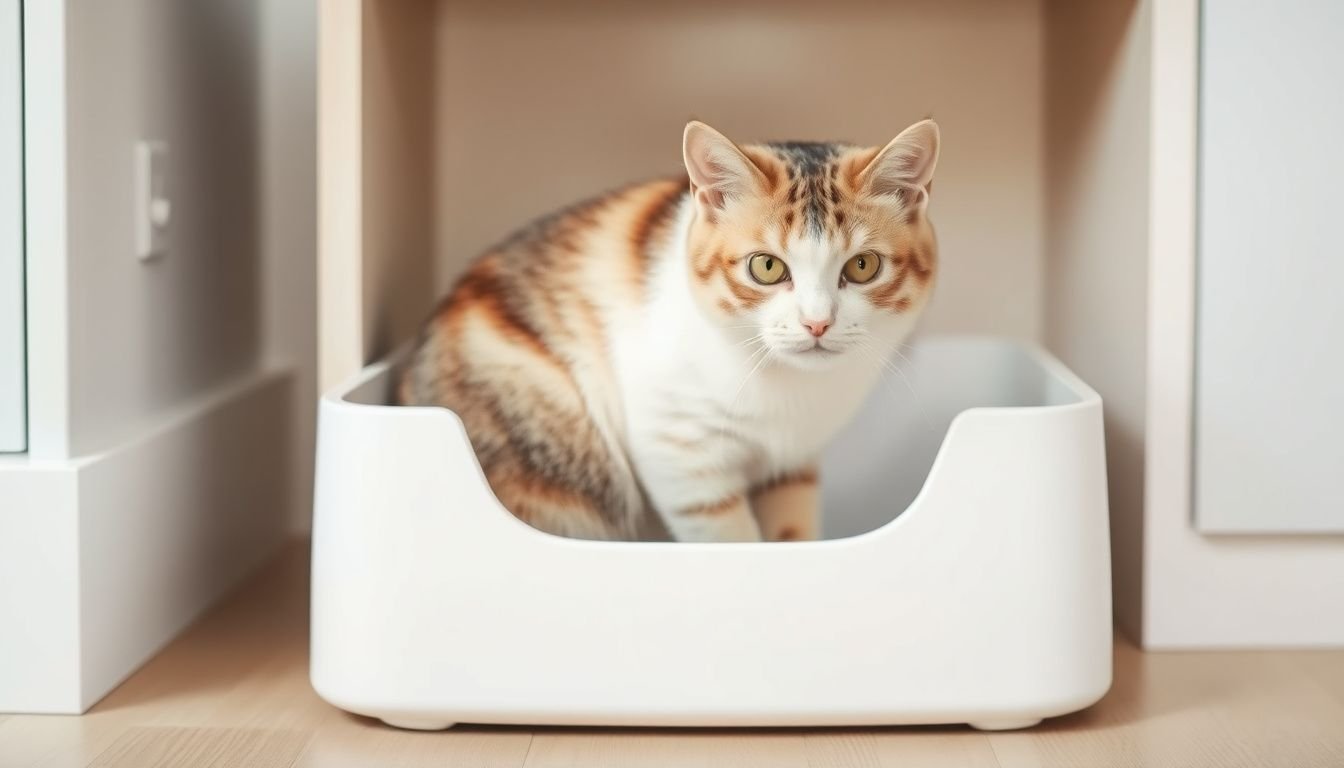
When your cat suddenly stops using their litter box, it’s a clear signal that something is amiss, and it’s rarely out of spite.
Discovering why is my cat not peeing in litter box can be a perplexing and stressful experience for any cat owner. This common yet concerning behavior, known as inappropriate urination, is a feline distress signal that demands immediate attention, as it often points to underlying medical issues, significant stress, or environmental dissatisfaction. Understanding the root cause is crucial for your cat’s health and your household’s harmony, preventing further damage and ensuring your beloved pet’s well-being.
This comprehensive guide will delve into the multifaceted reasons behind why your cat might be avoiding their designated toilet area. We’ll explore everything from critical health conditions to subtle behavioral cues and practical litter box logistics. By the end of this article, you’ll be equipped with the knowledge and actionable steps needed to diagnose the problem, implement effective solutions, and restore peace to your home.
Urgent Medical Reasons: Why Your Cat is Not Peeing in Litter Box
One of the most critical considerations when your cat begins urinating outside the litter box is their physical health. Feline inappropriate urination is often the first, and sometimes only, sign of a medical problem. Ignoring these signals can lead to severe complications, making prompt veterinary attention essential.
The Silent Sufferers: Urinary Tract Infections (UTIs) and FLUTD
Urinary Tract Infections (UTIs) are common culprits, causing discomfort and a frequent urge to urinate, often leading cats to associate pain with their litter box. Symptoms can include straining, frequent trips to the box with little output, or blood in the urine. Similarly, Feline Lower Urinary Tract Disease (FLUTD) encompasses a range of conditions affecting the bladder and urethra, including cystitis (bladder inflammation) and urinary crystals or stones. These conditions cause immense pain and can even lead to life-threatening blockages, especially in male cats.
Kidney Disease and Diabetes: Systemic Health Concerns
Beyond direct urinary issues, systemic diseases like kidney disease or diabetes can also manifest as inappropriate urination. Cats with kidney disease often drink and urinate more frequently, sometimes unable to make it to the litter box in time. Diabetes can also increase thirst and urination, overwhelming a cat’s ability to consistently use the litter box. Regular veterinary check-ups are vital for early detection and management of these serious conditions.
Arthritis and Mobility Issues: Painful Journeys to the Box
As cats age, they can develop arthritis or other mobility issues, making it painful or difficult to step into a high-sided litter box or squat comfortably. A cat struggling with joint pain might choose an easier, less painful spot on a soft rug or low-pile carpet. Observing your cat’s movement and considering their age can provide clues to this often overlooked physical limitation that explains why is my cat not peeing in litter box.
Behavioral & Stress Factors: Unraveling Why Your Cat is Not Peeing in Litter Box
Once medical causes are ruled out by a veterinarian, behavioral issues often come into play. Cats are creatures of habit and highly sensitive to their environment, meaning stress, anxiety, or even territorial instincts can lead to inappropriate urination.
Anxiety and Environmental Stressors: The Emotional Toll
Cats are notoriously sensitive to changes in their environment. A new pet, a new baby, moving to a new home, changes in your work schedule, or even rearranging furniture can trigger anxiety. This stress can manifest as a sudden aversion to the litter box. Cats might seek out “safer” or more private spots to relieve themselves, away from perceived threats or changes.
Territorial Marking: More Than Just Urinating
Sometimes, inappropriate urination isn’t about avoiding the litter box but rather about marking territory. This is particularly common in unneutered males but can occur in any cat, especially in multi-cat households or when new cats are introduced. Marking typically involves spraying small amounts of urine vertically on surfaces like walls or furniture, distinct from squatting to urinate.
Litter Box Aversion: Negative Associations
Cats can develop an aversion to their litter box if they’ve had a negative experience. This could be pain while urinating (due to a medical issue), being ambushed by another pet or child while in the box, or even finding the box dirty. Such experiences can make them associate the litter box with discomfort or fear, leading them to search for alternative locations.
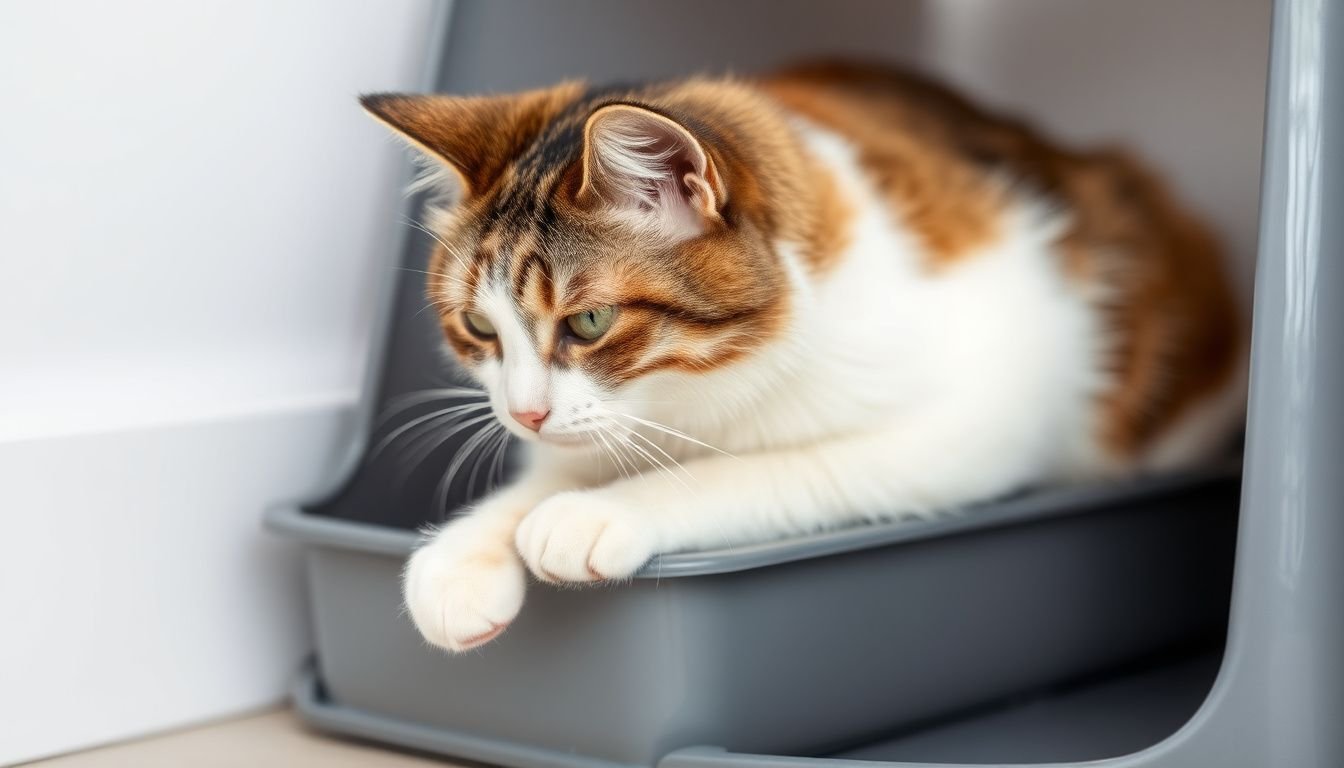
Optimizing Litter Box Logistics: Solving the “Why is My Cat Not Peeing in Litter Box” Puzzle
Often, the solution to inappropriate urination lies in addressing the litter box itself. Cats have specific preferences, and even small details can make a big difference in whether they choose to use their designated toilet.
The Right Litter: Texture, Scent, and Depth
Cats are particular about their litter. Many prefer unscented, fine-grained clumping clay litter, as it mimics natural sand. Heavily scented litters can be off-putting, and some cats dislike the feel of crystal or pellet litters. The depth of the litter also matters; aim for about 2-3 inches, enough for them to dig and cover their waste comfortably. Experimenting with different types can reveal your cat’s preference.
| Aspect | Clay Litter (Clumping) | Silica Gel Litter | Natural/Recycled Litter |
|---|---|---|---|
| Absorbency | Good, forms solid clumps | Excellent, traps moisture & odor | Varies (e.g., wood, corn, paper); generally good |
| Odor Control | Moderate, requires frequent scooping | Superior, long-lasting freshness | Good, often with natural enzymes or scents |
| Dust Level | Can be high, especially cheaper brands | Very low, virtually dust-free | Varies; some wood pellets can be dusty |
| Texture/Feel | Fine, soft, familiar to cats | Unique, crystalline, can be sharp | Varies (pellets, granules, flakes); can be rough |
| Cost | Low to Moderate | Moderate to High | Moderate |
| Environmental Impact | Non-biodegradable, strip-mined | Non-biodegradable, silica dust concerns | Biodegradable, renewable resources |
Cleanliness is Next to Cat-liness: A Pristine Potty
Cats are fastidiously clean animals. A dirty litter box is a common reason why a cat might choose to go elsewhere. Scoop the litter at least once, preferably twice, daily. The entire box should be emptied, cleaned with mild, unscented soap, and refilled with fresh litter weekly or bi-weekly. A strong ammonia smell is a huge deterrent for sensitive feline noses.
Location, Location, Location! The Ideal Spot
The placement of the litter box is crucial. Cats prefer quiet, private, and easily accessible locations where they feel safe. Avoid high-traffic areas, noisy appliances, or places where they might be startled (e.g., next to a washing machine). Ensure the box isn’t too close to their food and water bowls, as cats instinctively dislike eliminating near their dining areas. Multiple locations might be necessary in larger homes.
The Right Number and Type of Boxes: More is Often Better
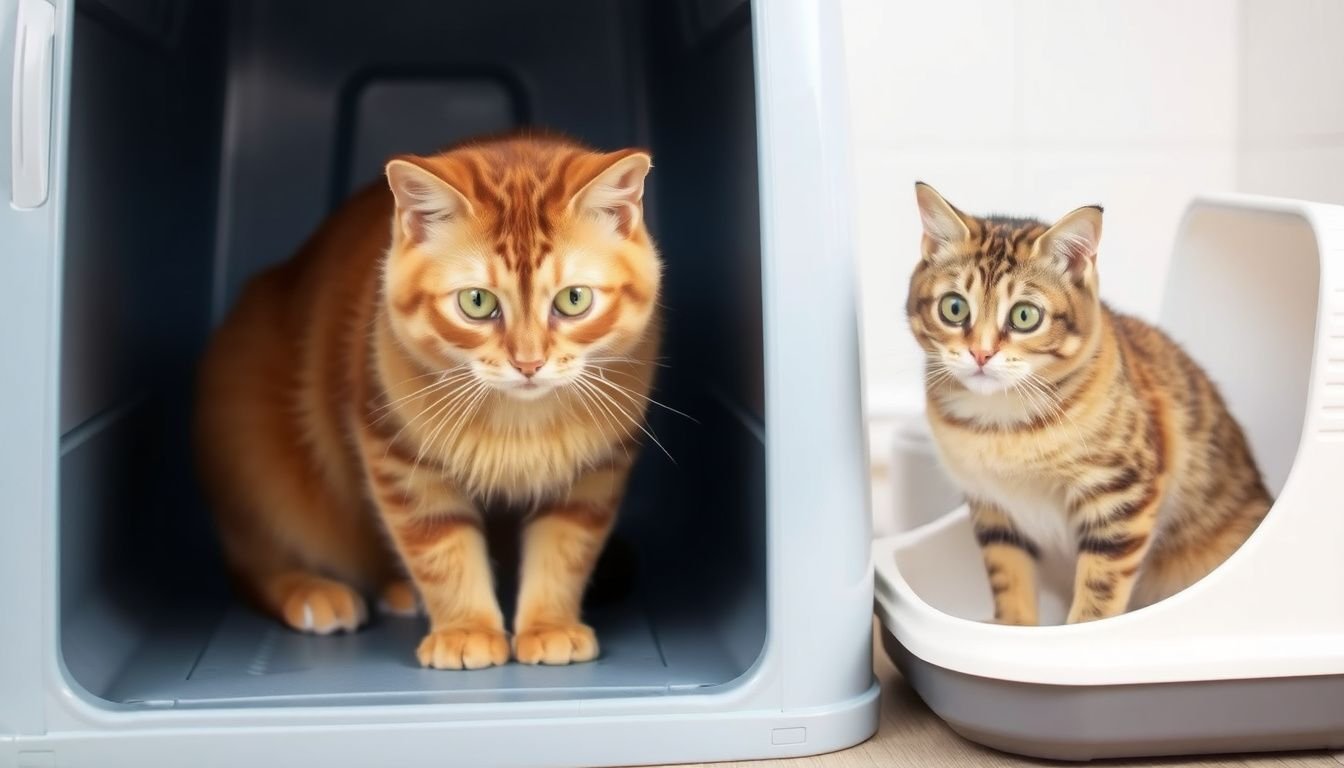
A good rule of thumb for multi-cat households is the “n+1” rule: one litter box per cat, plus one extra. This reduces competition and ensures options. Furthermore, consider the box type. Many cats prefer large, uncovered boxes that allow them to enter, turn around, and exit easily. Covered boxes can trap odors and make some cats feel claustrophobic or vulnerable, especially if they are larger or older.
What to Do When Your Cat is Not Peeing in Litter Box: A Step-by-Step Action Plan
Addressing inappropriate urination requires patience, observation, and a systematic approach. Here’s an actionable plan to help you identify and resolve the issue.
- Immediate Veterinary Consultation: This is the absolute first step. A vet can rule out or treat medical conditions like UTIs, FLUTD, kidney disease, or arthritis. Bring a urine sample if possible. Up to 70% of inappropriate urination cases have a medical component, so don’t skip this crucial stage.
- Observe and Document: Keep a detailed log. Note when and where your cat urinates outside the box, what they were doing beforehand, and any recent changes in the household. This information is invaluable for your vet or a feline behaviorist.
- Litter Box Audit and Optimization:
- Cleanliness: Scoop twice daily. Deep clean weekly.
- Litter Type: Experiment with different unscented, fine-grained clumping litters.
- Location: Move boxes to quiet, private, and accessible areas.
- Number: Ensure you have n+1 boxes for ‘n’ cats.
- Size & Type: Opt for large, uncovered boxes. Consider low-entry boxes for older or arthritic cats.
- Reduce Stress and Enhance Environment:
- Pheromone Diffusers: Products like Feliway can help reduce anxiety.
- Enrichment: Provide scratching posts, climbing trees, interactive toys, and safe resting spots.
- Routine: Maintain a consistent feeding and play schedule.
- Safe Spaces: Ensure each cat in a multi-cat home has their own resources (food, water, beds, hiding spots).
- Gentle Cleaning: Use enzymatic cleaners to thoroughly remove urine odors from soiled areas, preventing your cat from returning to the same spot.
- Seek Professional Help: If medical issues are ruled out and environmental changes don’t resolve the problem, consult a certified feline behaviorist. They can identify subtle behavioral cues and develop a tailored plan to address complex cases of why is my cat not peeing in litter box.
Frequently Asked Questions
Why is my cat suddenly peeing outside the litter box?
Sudden inappropriate urination is most often a sign of a medical issue, such as a urinary tract infection (UTI), bladder stones, or Feline Lower Urinary Tract Disease (FLUTD). Stress, changes in the home environment, or dissatisfaction with the litter box setup are also common underlying causes.
Can stress cause a cat to pee outside the litter box?
Absolutely. Cats are highly sensitive to stress, and changes like a new pet, moving, loud noises, or even a change in routine can trigger anxiety, leading them to urinate outside their litter box as a coping mechanism or a sign of distress.
How many litter boxes does a cat need?
The general rule is “n+1,” meaning one litter box per cat plus one extra. For example, if you have two cats, you should ideally have three litter boxes. This helps reduce competition and ensures choices, especially in multi-cat households.
What type of litter is best for a cat that’s peeing inappropriately?
Most feline experts recommend unscented, fine-grained clumping clay litter, as it closely mimics natural sand and is generally preferred by cats. Avoid heavily scented litters or those with unusual textures, as they can be off-putting.
How do I clean urine stains and odors to prevent re-soiling?
It’s crucial to use an enzymatic cleaner specifically designed for pet urine. These cleaners break down the uric acid crystals that cause the odor, eliminating the scent that attracts your cat back to the same spot. Regular household cleaners often only mask the smell, which your cat can still detect.
Should I punish my cat for peeing outside the litter box?
No, punishing your cat is counterproductive and can worsen the problem. Inappropriate urination is a symptom of an underlying issue, not an act of defiance. Punishment will only increase your cat’s stress and fear, potentially leading to more inappropriate elimination.
Final Thoughts on why is my cat not peeing in litter box
Addressing the concerning issue of why is my cat not peeing in litter box requires a blend of medical insight, behavioral understanding, and diligent environmental management. We’ve explored the critical role of veterinary checks to rule out underlying health problems like UTIs or FLUTD, highlighted the impact of stress and anxiety on feline behavior, and detailed the importance of optimizing litter box logistics. Remembering that inappropriate urination is a cry for help, not an act of malice, is paramount in finding a lasting solution.
By systematically investigating potential medical causes, evaluating your cat’s environment for stressors, and ensuring their litter box setup meets their exacting standards, you can effectively resolve this challenging problem. Don’t hesitate to seek professional guidance from your veterinarian or a feline behaviorist if the issue persists. Start implementing these practical tips today, and you’ll be well on your way to a happier, healthier cat and a more harmonious home environment.