
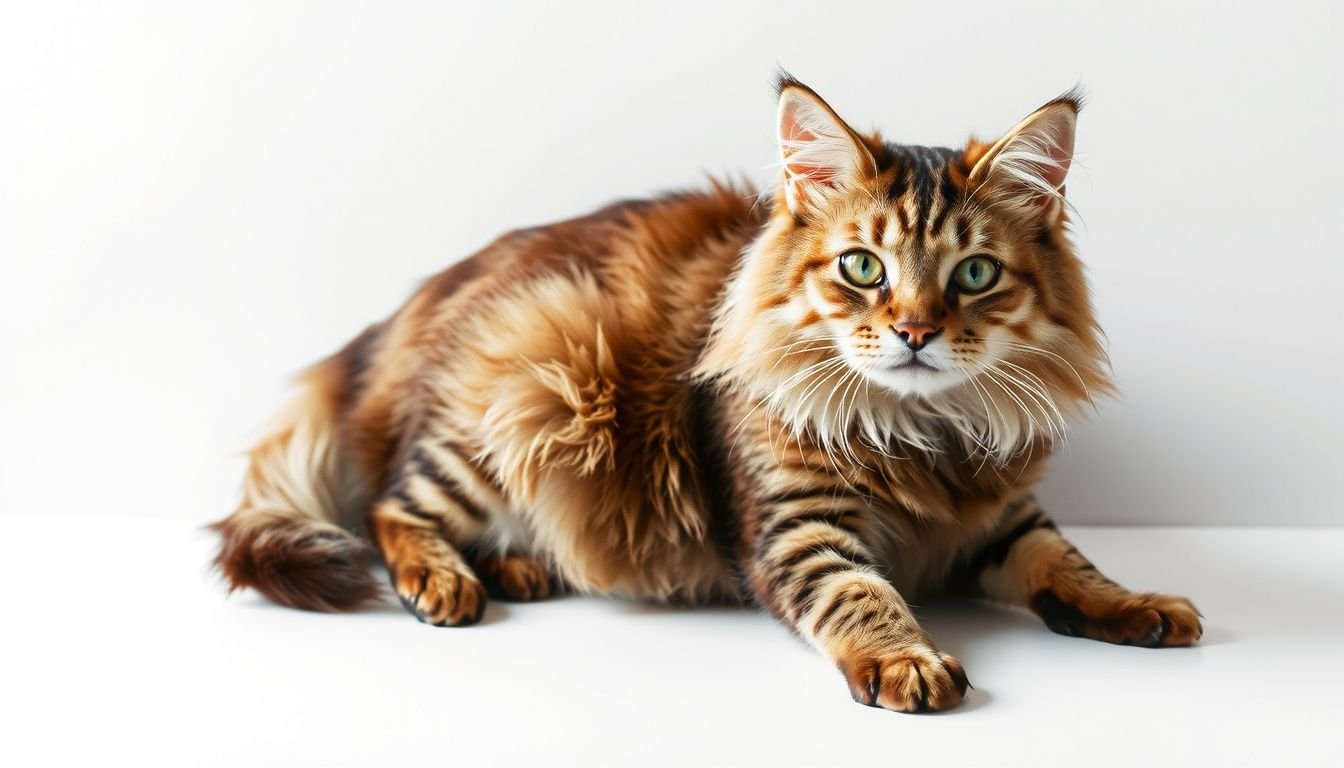
Understanding how to care for Maine Coon cats is crucial if you want to keep this gentle giant happy and healthy. Maine Coons are intelligent, affectionate, and surprisingly low-maintenance—if you know what they need. Their big personalities match their size, and they thrive in homes that provide structure, stimulation, and love.
Whether you’re preparing for your first Maine Coon or looking to improve your current care routine, you’ll need to focus on their environment, diet, grooming, exercise, health, and emotional well-being. Let’s walk through each area so you can give your Maine Coon the best life possible.
Prepare Your Home for a Maine Coon Cat
Start by cat-proofing your living space. Maine Coons are large and curious, so remove fragile items from shelves and secure loose wires. Their size calls for sturdy furniture and scratching posts—they’ll topple flimsy cat trees in no time.
- Safe zones: Set up quiet resting places away from busy areas.
- Litter boxes: Provide at least one large, uncovered box per cat, scooping daily.
- Climbing options: Invest in a tall, stable cat tree or wall shelves to satisfy their love for heights.
- Toys: Rotate interactive and solo toys to prevent boredom.
Real-world example: One Maine Coon owner found that a heavy-duty scratching post and a window perch prevented furniture damage and kept her cat entertained for hours. Don’t underestimate their need for space—they’ll use every inch you give them.
Choose the Right Nutrition and Feeding Schedule
Proper diet is essential. Maine Coons grow slowly and need high-quality, protein-rich food to support their size and health. Always choose a formula designed for large or giant cat breeds if possible.
- Feed twice daily: Split meals into morning and evening portions to prevent overeating.
- Monitor weight: Adjust portion sizes based on your vet’s advice and your cat’s age.
- Fresh water: Provide a large, stable water bowl or a cat fountain to encourage hydration.
Watch for food sensitivities or allergies. If your Maine Coon has a sensitive stomach, try grain-free options or novel protein sources. Don’t forget treats—use them sparingly for training and bonding.
Establish a Grooming Routine for Healthy Fur
Maine Coons have a thick, semi-long coat that’s less likely to mat than you’d expect, but regular grooming is non-negotiable. Brush your cat two to three times a week, focusing on the belly and underarms where tangles form fastest.
- Tools: Use a wide-toothed comb and a slicker brush for best results.
- Bathing: Bathe only as needed—usually every few months.
- Nail trims: Check claws every 2-3 weeks and trim as necessary.
Pro tip: Start grooming sessions when your cat is relaxed, and keep treats handy. Never pull at mats—gently detangle or use blunt-ended scissors if needed. Consistency will help your Maine Coon accept grooming as part of their routine.
Support Physical and Mental Exercise
Maine Coons aren’t just couch potatoes. They need daily stimulation to stay fit and prevent boredom. Plan interactive play sessions and give them opportunities to climb, chase, and hunt (even if it’s just toy mice).
- Laser pointers: Great for chasing and exercise.
- Puzzle feeders: Stimulate their intelligence and slow down eating.
- Cat wheels or tunnels: Encourage movement and exploration.
Try dedicating 15–20 minutes twice a day for active play. Rotate toys to keep things fresh. If you’re away often, consider adopting a second cat for company—Maine Coons are famously social and thrive with companionship.
Monitor Health and Schedule Regular Vet Visits
Routine health care is vital. Maine Coons are prone to certain genetic conditions, like hypertrophic cardiomyopathy (HCM) and hip dysplasia. Early detection is your best defense.
- Annual checkups: Visit your vet yearly for a full health assessment.
- Vaccinations: Stay up-to-date with core vaccines and boosters.
- Dental care: Brush your cat’s teeth weekly or use dental treats.
- Watch for warning signs: Lethargy, weight loss, or changes in appetite should prompt a vet visit.
Keep records of all appointments and health changes. Ask your vet about genetic screening if you’re concerned about breed-specific risks.
Build a Loving Bond Through Social Interaction
Maine Coons are famously affectionate. They’ll follow you from room to room, “help” with chores, and chirp to get your attention. Make time every day for cuddles, gentle petting, and conversation—they respond well to positive attention.
- Respect boundaries: Let your cat come to you for affection.
- Routine: Cats feel secure when you stick to regular feeding, play, and sleep schedules.
- Gentle handling: Teach children and visitors how to interact calmly and safely.
Pro tip: Use treats and toys to reinforce good behavior. Maine Coons can even be taught tricks or to walk on a leash, making every day a chance to strengthen your relationship.
Quick Answers
How often should I groom my Maine Coon?
Brush your Maine Coon two to three times weekly. Increase frequency during shedding season or if you notice tangles forming quickly.
What common health issues should I watch for?
Keep an eye out for signs of heart disease (HCM), hip dysplasia, dental disease, and obesity. Annual vet checkups are key.
Can Maine Coons be left alone during the day?
They tolerate short absences but prefer companionship. If you work long hours, consider a second pet or interactive toys for enrichment.
What’s the best food for Maine Coon kittens?
Choose a high-protein, large-breed kitten formula. Feed measured portions two to three times a day, as advised by your vet.
Next Steps
Caring for a Maine Coon cat means staying proactive with their environment, diet, grooming, health, and emotional needs. Start by reviewing your home setup and establishing daily routines. Book a vet checkup if you haven’t yet.
Invest in sturdy climbing furniture, grooming tools, and interactive toys. Most importantly, spend quality time bonding with your Maine Coon—you’ll both benefit from the connection. With these steps, you’re ready to give your gentle giant a long, happy, and healthy life.