
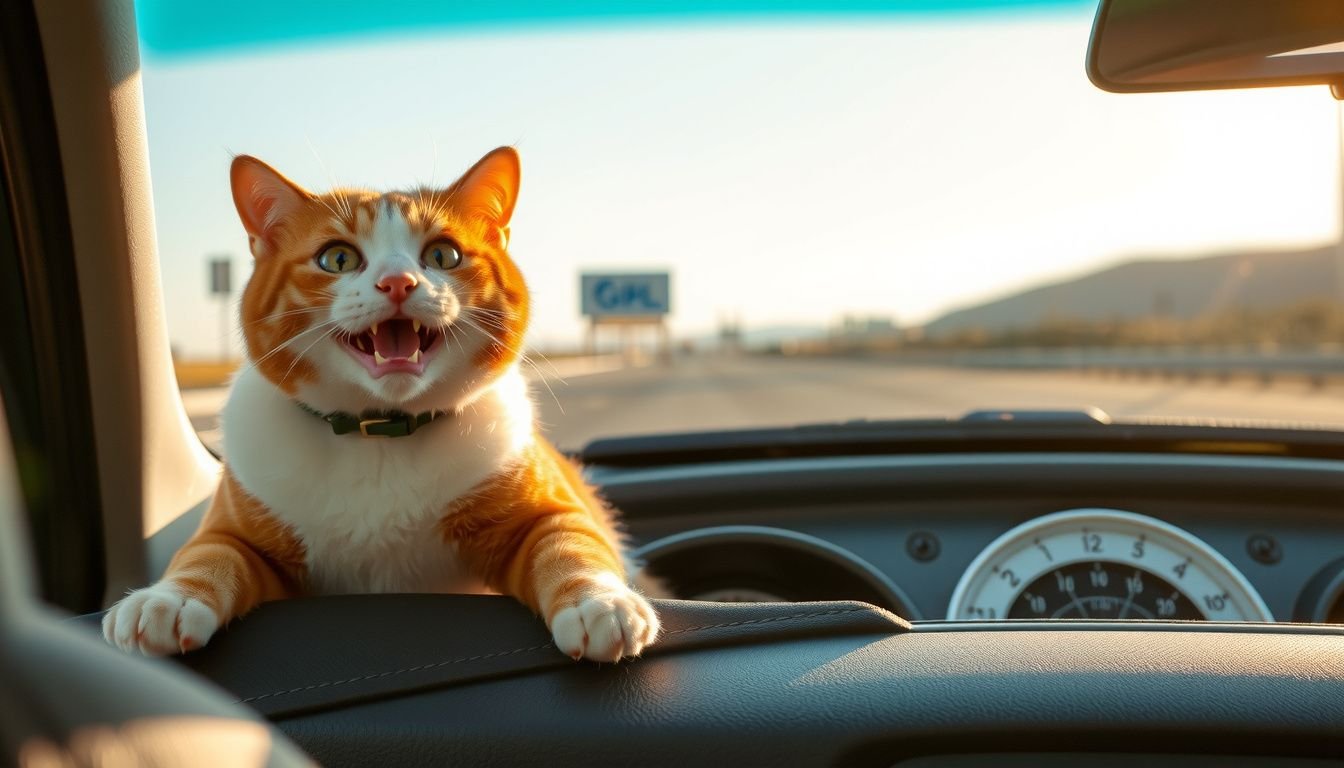
Ever wondered why do cats hate car rides? You’re not alone—countless cat owners face the same struggle every time they need to transport their furry companion. Understanding your cat’s perspective is the first step toward making car journeys less stressful for both of you.
As a pet specialist, I’ve seen firsthand how travel anxiety can disrupt even the calmest cats. Here, you’ll get clear answers, actionable tips, and expert-backed strategies to help your cat feel safer on the road. Ready to turn car chaos into calm?
Let’s get your feline friend traveling more comfortably.
- Sensitivity: Cats’ senses are easily overwhelmed by car environments.
- Routine: Most cats dislike changes in territory.
- Stress Signals: Look for panting, vocalizing, or hiding.
- Preparation: Gradual exposure helps reduce travel anxiety.
- Health: High stress can cause nausea or urinary issues.
Why Do Cats Hate Car Rides? The Main Reasons
Cats often loathe car rides due to a mix of unfamiliarity, sensory overload, and loss of control. Unlike dogs, most cats aren’t socialized for travel from a young age. The constant motion, strange sounds, and unfamiliar smells disrupt your cat’s sense of safety.
For them, the car isn’t just new—it’s threatening. Add in the motion sickness some cats experience, and it’s no surprise your feline protests every trip. A cat’s natural instinct is to avoid unpredictable situations, so car rides trigger their stress response almost immediately.
How Your Cat’s Senses React During Car Travel
Your cat’s acute senses work against them in the car. The rumble of the engine, vibrations from the road, and rapid visual changes out the window can be overwhelming. Their hearing is far sharper than yours, so every honk, engine rev, or air conditioner blast feels intense.
The mix of unfamiliar scents—cleaners, gasoline, other animals—can trigger anxiety. In a real-world example, one client’s cat began hyperventilating within minutes of a highway drive, simply because the combination of noise and vibration was too much. Understanding these sensory triggers can help you create a calmer car environment.
The Role of Routine and Territory in Feline Behavior
Cats are creatures of habit—they thrive on routine and claim territory as their own. A car is foreign territory, filled with unpredictable threats in your cat’s mind. When you remove them from the familiar sights, smells, and sounds of home, they lose their sense of security.
This disruption to routine can make even the most confident cat feel vulnerable. If your cat only enters the carrier for stressful events like vet visits, they’ll quickly associate both the carrier and the car with fear and anxiety.
Common Signs Your Cat Is Stressed in the Car
Watch for these classic stress signals:
- Vocalizing (yowling, crying, hissing)
- Panting or drooling
- Excessive shedding or trembling
- Attempts to hide or escape
- Vomiting or urinating in the carrier
These behaviors indicate your cat is overwhelmed and needs help to feel safer during travel.
Potential Health Risks of Stressful Car Rides for Cats
High stress during car rides can have short- and long-term effects on your cat’s health. Acute anxiety can cause nausea, vomiting, or diarrhea. Some cats may develop urinary problems, such as refusing to urinate for hours—potentially leading to dangerous blockages in males.
Chronic stress, especially if car rides are frequent, weakens the immune system and increases the risk of illness. If your cat experiences repeated traumatic travel, they may develop a lasting fear of carriers or even vet visits, impacting their overall care.
Mistakes to Avoid When Traveling With Your Cat
- Skipping carrier training: Forcing your cat into a carrier only before a car ride increases fear.
- Not securing the carrier: Loose carriers can slide or tip, making your cat feel unsafe.
- Ignoring temperature: Hot or cold cars cause discomfort and stress.
- Using strong scents: Perfumes or cleaning products in the car can overwhelm your cat’s nose.
- Overlooking breaks: Long trips without pauses can worsen anxiety and physical discomfort.
Tips to Prepare Your Cat Before a Car Ride
Preparation is key. Start with short, positive experiences in the carrier at home—offer treats and praise just for entering. Gradually introduce your cat to the car by sitting in it together without driving.
Familiarize them with the sounds and smells of the vehicle in a controlled way. Leave the carrier out in your cat’s living space so it feels like a safe den, not a trap. For longer journeys, let your cat explore the parked car while it’s quiet.
These steps build confidence and reduce travel fears over time.
How to Make Car Journeys More Comfortable for Your Cat
- Use a secure, well-ventilated carrier lined with familiar bedding to provide comfort.
- Cover the carrier with a light towel to block out visual stimuli and reduce motion sickness.
- Play soft music or use pheromone sprays (like Feliway) to promote calm.
- Keep the car temperature moderate—not too hot or cold.
- Plan breaks on long trips for water and reassurance.
These small adjustments help your cat feel safer and less overwhelmed on the road.
When to Seek Professional Help for Travel Anxiety
If your cat’s anxiety is severe—persistent vomiting, refusal to enter the carrier, or aggressive behavior—it’s time to consult your veterinarian. They may recommend anti-anxiety medication or refer you to a feline behaviorist. Some cats need prescription treatments or tailored desensitization plans.
Never ignore signs of extreme distress, as untreated anxiety can escalate and make future travel—and even daily life—more difficult for your cat.
Quick Answers
Can cats get used to car rides?
Yes, with gradual exposure and positive reinforcement, many cats can become more comfortable with car travel over time.
Should I feed my cat before a car trip?
A light meal a few hours before travel is best. Avoid feeding immediately before the ride to reduce motion sickness risk.
Is sedation safe for my cat during travel?
Sedation should only be considered under veterinary supervision. Over-the-counter remedies can be dangerous or ineffective.
Why does my cat drool or pant in the car?
Drooling or panting are signs of stress or motion sickness. These symptoms mean your cat is overwhelmed and needs support.
The Bottom Line
Understanding why do cats hate car rides is the first step to making travel less traumatic. By respecting your cat’s instincts, preparing thoughtfully, and looking out for signs of stress, you can turn dreaded journeys into manageable events. Remember, patience and compassion go a long way.
If your cat’s anxiety remains severe, don’t hesitate to seek help—you both deserve peaceful, stress-free travels.
Related read: Why Do Cats Not Like Car Rides? Calm Travel Tips