
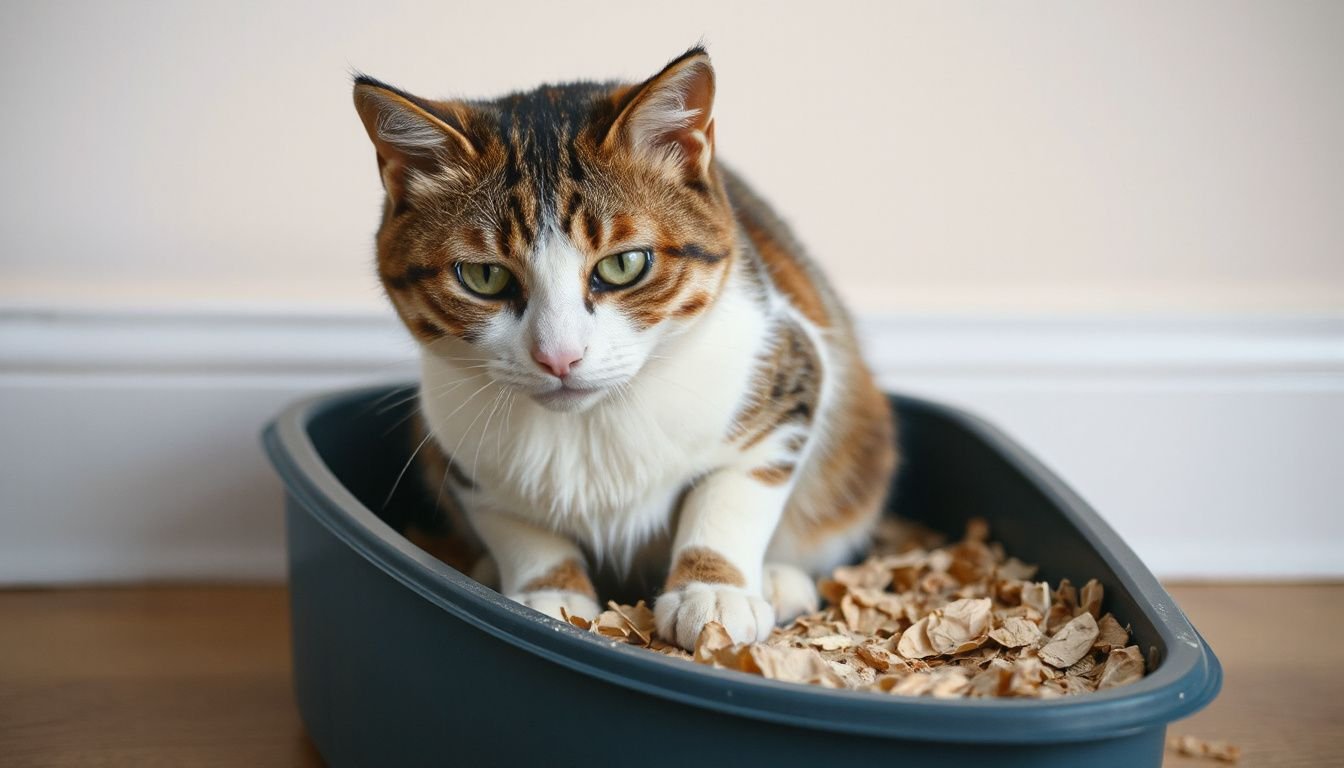
cat not using litter box because of litter is more common than most owners realize. When the box is clean and the cat is healthy, the litter itself is often the deal-breaker. Texture, scent, dust, and even how it feels underpaw can trigger avoidance. Small change. Big behavior shift.
Look, cats do not “act out” to be difficult. They make fast, practical decisions based on comfort and safety. If the litter feels sharp, smells artificial, or tracks too much, many cats will choose a quieter option—like a bath mat, laundry pile, or the corner behind a plant.
Common litter-related triggers include:
- Strong fragrance that overwhelms a sensitive nose
- Dusty formulas that irritate eyes or airways
- Large or rough granules that feel painful on paws
- Unstable footing in lightweight or low-fill boxes
- Sudden brand switches without a transition period
Real-world example: a client switched from unscented, fine-grain clumping litter to a pine pellet product to “reduce tracking.” Within 48 hours, their adult cat began urinating next to the box—then stopped entirely after a gradual blend-back and a softer, low-dust option. Now, let’s pinpoint what your cat is rejecting and how to fix it quickly.
Buying Guide: Key Decision Factors
If your cat not using litter box because of litter, the fastest fix is often a smarter purchase. Cats reject litter for texture, scent, dust, or how it feels under sensitive paws. Small changes can deliver big compliance. But here’s the thing: “best” litter is individual.
Start with paw feel. Many cats prefer fine, sand-like grains; others tolerate larger pellets only if they are soft and consistent. If your cat scratches the floor near the box but avoids stepping in, the granule size is a prime suspect.
Next, consider scent and additives. Strong perfumes can repel cats, even when humans think the box smells “clean.” Choose unscented first, then evaluate odor control through frequent scooping and a covered waste bin, not fragrance.
- Dust level: Low-dust formulas reduce sneezing, eye irritation, and aversion in respiratory-sensitive cats.
- Clumping behavior: Tight, fast clumps simplify cleaning; weak clumps smear and leave odor that can trigger avoidance.
- Tracking: Lightweight litters track more; a mat helps, but heavier grains may be better for neat cats.
- Material: Clay, corn, wheat, wood, paper—each has a different feel and odor profile.
Look at box compatibility. Pellets can work poorly in fine-mesh sifters; ultra-fine clay can cake in some automatic boxes. Match litter to your equipment to avoid wet spots that smell and discourage use.
Practical example: a 6-year-old cat starts eliminating beside the box after switching to scented crystal litter. The owner returns to unscented fine-grain clumping clay and transitions by mixing 25% new litter every two days; accidents stop within a week.
Finally, buy small bags first. Trial two options over 10–14 days, keeping the box count, location, and cleaning routine unchanged for a fair test.
Why Cats Reject Litter: Texture, Scent, Dust, and Paw Sensitivity
If your cat not using litter box because of litter, the issue is often sensory, not behavioral. Cats evaluate litter with their paws and nose first. If either signal feels “wrong,” many cats will avoid the box entirely.
Texture is a common trigger. Large pellets can feel unstable, while sharp crystals may poke tender paw pads. Very fine clay can also feel like sandpaper when it clumps between toes, especially for seniors or cats with arthritis.
Scent matters more than most owners expect. Strong perfumes meant to “freshen” the box can overwhelm a cat’s sensitive nose and mask the animal’s own scent cues. Some cats also dislike deodorizing additives that create a chemical smell after urine contact.
Dust is another deal-breaker. Dusty litters irritate airways and eyes, particularly in brachycephalic breeds or cats with asthma. Look, if you see a visible puff when pouring, your cat is likely inhaling it at ground level.

Paw sensitivity can be temporary or chronic. Soft tissue injuries, nail trims that went too short, or dermatitis can make even “normal” litter feel painful. Now, a cat may still want to eliminate in the box, but choose a bath mat or carpet because it is softer and predictable.
Practical example: a household switches from unscented clumping clay to scented silica crystals to reduce tracking. Within 48 hours, the cat urinates beside the box, then returns to normal after a gradual 7–10 day transition to a low-dust, unscented, fine-grain litter.
- Sudden avoidance after a litter change (even if the box stayed clean)
- Frequent paw shaking or licking after digging
- Sneezing near the box or visible dust on the rim
- Perching on the edge to avoid contact with litter
Step-by-Step Troubleshooting: How to Identify the Litter Problem Fast
If your cat not using litter box because of litter is the leading suspicion, move fast and methodically. The goal is to isolate the litter variable without changing everything at once. Small, controlled changes give clear answers.
Start with a quick baseline check. Confirm the box is clean, accessible, and large enough, then focus on what changed: brand, scent, clumping style, dust level, or even a new bag with a “fresh” fragrance. Look for pawing at the floor, hovering, or jumping out quickly after stepping in.
- Stop the guessing: write down the current litter type, scent, and when the avoidance began.
- Set up a two-box test: place a second box nearby with a different litter (unscented, low-dust, softer texture).
- Keep everything else identical: same box style, same location zone, same cleaning schedule.
- Track outcomes for 3–5 days: note which box is used, hesitations, and any accidents.
- Confirm with a “swap”: switch litters between boxes; if the preference follows the litter, you have your answer.
Practical example: a 4-year-old cat starts urinating on bath mats after the owner buys a new “mountain breeze” clumping litter. The two-box test shows consistent use of an unscented, fine-grain litter and refusal of the scented one, even after boxes are swapped. That points to scent and texture sensitivity, not “bad behavior.”
- Dust check: pour litter into a clean bin; visible clouding often correlates with avoidance.
- Texture check: if your cat shakes paws or tiptoes, try a softer, smaller-grain option.
- Safety note: sudden pain, straining, or blood warrants a veterinary visit before further trials.
Best Litter Types Reviewed: Clumping, Non-Clumping, Natural, Crystal, and Pellets
If your cat not using litter box because of litter, the fastest fix is often switching texture, dust level, or scent. Cats can reject a litter that feels sharp, smells “chemical,” or tracks too much. Small changes matter. A lot.
Clumping clay is the most familiar and keeps urine localized, which helps odor control and daily scooping. But here’s the thing: some formulas are dusty or heavily fragranced, and that can irritate sensitive noses and paws. Choose unscented, low-dust options and keep the depth around 2–3 inches.
Non-clumping clay is usually cheaper and softer underfoot, but it needs more frequent full-box changes because urine spreads. If a cat is avoiding the box due to lingering odor, this type can backfire unless you are strict about dumping and scrubbing. It can work well for kittens or short-term medical monitoring.
Natural litters (corn, wheat, paper, grass, walnut) often reduce dust and feel gentler. Some clump well; others crumble, which can frustrate fastidious cats. Watch for food-based litters if pests are a concern, and avoid strong plant perfumes.
Crystal/silica controls odor by absorbing moisture and is low-tracking, but the hard granules can feel uncomfortable. Some cats also dislike the “dry” sensation. It is best for owners who cannot scoop multiple times daily.
Pellets (pine or paper) are low-dust and excellent for tracking control, yet the larger pieces can be a deal-breaker. Try pellets in a secondary box first.
- Example: A cat starts peeing on rugs after a switch to scented clumping litter. Moving back to unscented, low-dust clumping and adding a second box with paper litter often restores box use within a week.
- Transition slowly: mix 75/25, then 50/50, then 25/75 over 7–10 days.
- Prioritize unscented, low-dust, and a texture your cat will actually stand on.
Switching Litter Without Stress: Proven Transition and Setup Strategies
If your cat not using litter box because of litter is the issue, treat the change like a diet transition. Cats rely on scent, texture, and routine. Fast swaps can trigger avoidance, even in otherwise reliable cats.
Start with a gradual blend over 7–14 days. Keep the box location stable, and avoid changing box style at the same time. One change at a time. It works.
- Days 1–3: 75% current litter + 25% new litter
- Days 4–7: 50/50 mix; scoop twice daily to control odor
- Days 8–14: 25% current + 75% new; then move to 100% new
Look, some cats refuse blended textures. If that happens, run a two-box trial instead: one box with the current litter, one with the new. Track which box gets used, then slowly reduce the old-litter box once the new one is consistently chosen.

- Depth: 2–3 inches for most clumping and natural litters; 1–2 inches for pellets
- Box count: one per cat, plus one extra, placed in separate quiet areas
- Cleaning: unscented soap only; avoid bleach or strong detergents that leave residue
Real-world example: a 4-year-old indoor cat stopped using the box after switching from clay clumping to pine pellets overnight. The fix was a two-box setup for 10 days, then a staged mix by adding a thin pellet layer under the familiar clay. By week two, the cat used pellets reliably, with accidents eliminated.
Final Verdict
If your cat not using litter box because of litter sounds familiar, treat it as a solvable preference problem, not defiance. Cats are tactile and scent-driven, and many will avoid a box if the texture, dust level, or fragrance feels “wrong.” The fastest wins come from reducing variables and letting the cat vote with consistent options.
Look, the best litter is the one your cat reliably uses. Start with a conservative, cat-friendly baseline: unscented, low-dust, fine-grain, and clumping for easy daily removal. Then change only one factor at a time, and hold it steady for at least 7–10 days unless your cat stops eliminating in the box.
- Prioritize comfort: fine grains often feel more like sand and are better tolerated than large pellets.
- Control odor without perfume: scoop twice daily and wash the box with mild soap, not bleach.
- Fix the setup: one box per cat plus one extra, in quiet locations, with 2–3 inches of litter.
- Track outcomes: note which box is used, stool/urine changes, and any avoidance behaviors.
Practical example: a two-cat home switches from scented clay to pine pellets to reduce tracking. One cat begins urinating on bath mats within 48 hours. The owner sets up a second box with unscented fine-grain clumping litter, keeps the pellet box available, and scoops both twice daily. Within three days, accidents stop; the pellet box remains unused and is phased out over two weeks.
Now, if refusal persists after a stable litter and box setup, assume discomfort until proven otherwise. Contact your veterinarian promptly, especially for straining, frequent small urinations, blood, or sudden changes, because urinary disease can mimic “litter dislike.”
Frequently Asked Questions
How do I know the litter is the reason my cat stopped using the box?
If your cat not using litter box because of litter coincides with a recent litter change, the timing is a strong clue. Many cats show clear avoidance signals: hovering at the box, stepping in and jumping out, or eliminating nearby but not inside.
Look for consistency. If your cat urinates or defecates on soft surfaces (rugs, laundry) soon after a new litter is introduced, litter texture or scent is often the trigger rather than “bad behavior.”
What litter features commonly cause litter box avoidance?
Cats can be sensitive to smell, texture, and dust. A product that works for one cat may be unacceptable to another, especially in multi-cat homes or for cats with asthma, allergies, or tender paws.
Common litter-related issues include:
- Strong fragrance (perfumes, deodorizing additives)
- High dust that irritates airways or eyes
- Rough or sharp texture (some crystals, coarse pellets)
- Sticky clumping that adheres to paws or fur
- Tracking that bothers the cat after leaving the box
How should I switch litter to improve acceptance?
Most cats do better with gradual transitions. Mix the new litter into the old litter over 7–14 days, increasing the new litter amount every few days to reduce stress and avoid sudden rejection.
Now, if your cat is already refusing the box, go slower. Offer a second box with the previous litter (if available) while you transition, and keep both boxes in quiet, accessible locations.
What is a practical, real-world example of fixing a litter-related problem?
Example: A household switched from an unscented, fine-grain clumping litter to a scented crystal litter to reduce odor. Within 48 hours, the cat began urinating on a bath mat near the box and scratching the floor beside the box instead of entering it.
They solved it by placing a second box next to the first with the original unscented litter, then gradually blending small amounts of a low-dust, unscented clumping litter. Within a week, the cat returned to consistent box use, and odor control improved through daily scooping rather than fragrance.
When should I contact a veterinarian if I suspect the litter is the issue?
But here’s the thing: litter aversion can look identical to medical problems. Contact a veterinarian promptly if you see straining, blood in urine, frequent small urinations, crying in the box, lethargy, vomiting, or sudden changes in thirst.
Seek urgent care for male cats with repeated trips to the box and little or no urine output, as urinary obstruction can be life-threatening. Once medical causes are ruled out, you can focus confidently on litter type, box setup, and cleaning routine.