
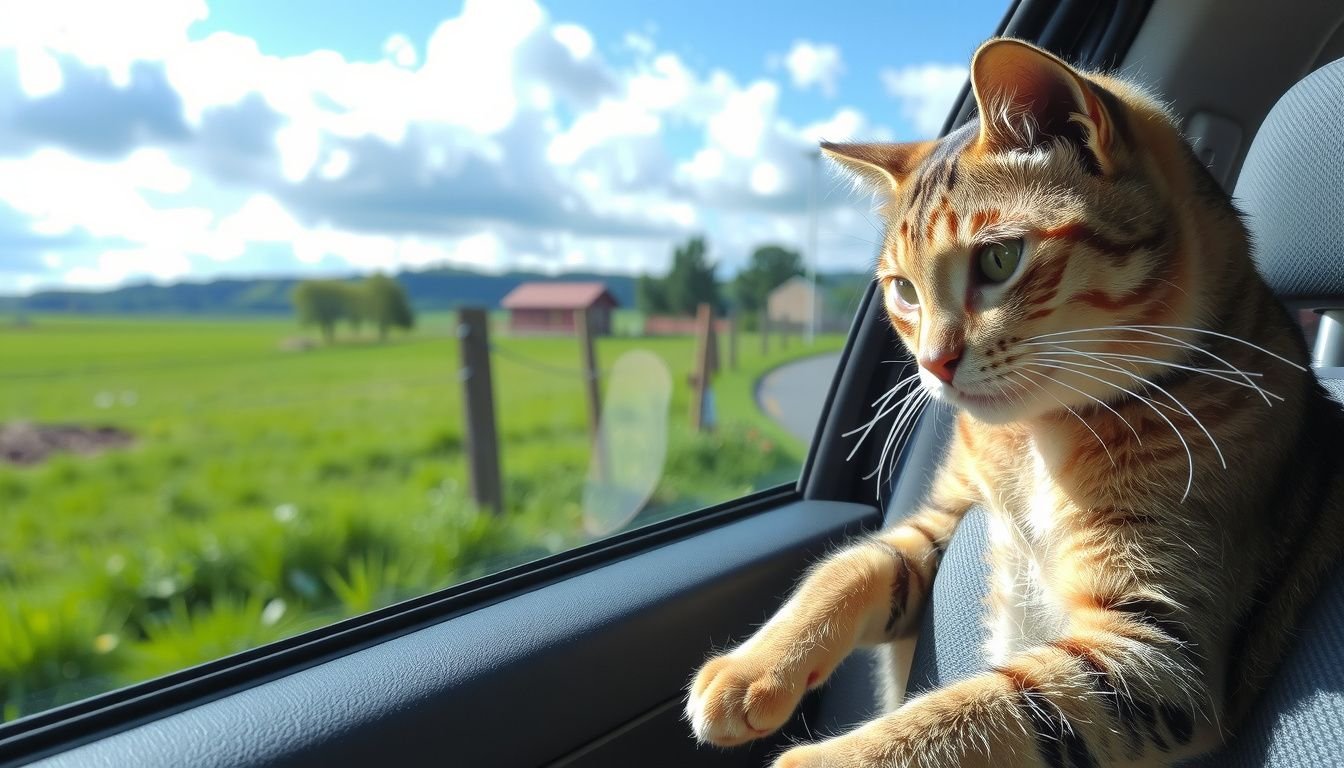
Wondering how to travel with cat long distance by car without turning the journey into a stressful ordeal—for both of you? The good news: With smart prep and the right gear, you can keep your cat calm, safe, and healthy from driveway to destination. Whether you’re moving cross-country or planning a long holiday road trip, a little strategy goes a long way.
You’ll need to consider your cat’s temperament, comfort, feeding needs, and how to keep them secure inside your vehicle. Picture this: A family driving from Chicago to Denver with their nervous tabby, Max. They prepped well, followed the right steps, and Max snoozed peacefully for most of the journey.
You can do the same. Here’s a step-by-step guide to help you travel long distances with your cat by car—without the drama.
Gather Essential Supplies Before You Start
Have these basics ready before you hit the road. You’ll save yourself time and avoid last-minute stress:
- Sturdy, well-ventilated carrier—large enough for your cat to stand, turn, and lie down.
- Absorbent bedding (pee pads, towels, or a favorite blanket).
- Portable litter box and litter scoop.
- Non-spill water and food bowls.
- Small supply of familiar food and treats.
- Travel-friendly toys or comfort items (like a worn T-shirt).
- Cat leash and harness for pit stops.
- Calming sprays or pheromone wipes if your cat is anxious.
- Health records and any required medications.
Lay out all your gear the day before. Double-check your list—forgetting a litter box or medication mid-trip is a headache you don’t want.
Prepare Your Cat for Car Travel
Start prepping your cat at least a week before your trip. Help your cat associate the carrier and car with positive experiences.
- Leave the carrier open in your home with treats and cozy bedding inside.
- Take your cat on short drives to build comfort and reduce fear.
- Reward calm behavior with treats or soothing petting.
If your cat tends to panic or drool, talk to your vet about anti-anxiety options. Never sedate without a vet’s advice. Gradual exposure makes a world of difference—just like Max the tabby, who stopped yowling after his third practice ride.
Choose and Set Up the Right Carrier
Your carrier is your cat’s safe zone. Choose one that’s escape-proof, well-ventilated, and easy to secure in your car. Soft-sided or hard plastic carriers both work—just check the latches and zippers.
- Line the bottom with an absorbent pad and a familiar-smelling blanket.
- Add a favorite toy or shirt to offer extra comfort.
- Test the carrier in your vehicle to ensure it fits and can be properly strapped in—ideally behind a front seat or with a seatbelt.
Never let your cat roam free in a moving car. Even calm cats can panic unexpectedly and cause distractions or injuries.
Create a Comfortable Travel Environment
Keep your cat’s environment stable and soothing. Limit loud noises, direct sunlight, and fluctuating temperatures in the car.
- Maintain a moderate, consistent temperature using air conditioning or heat.
- Block direct sunlight with window shades or a light towel draped over part of the carrier (leave some ventilation).
- Play soft music or use a white noise machine if your cat is sensitive to sounds.
Check on your cat every 30–60 minutes. If you notice panting, drooling, or excessive meowing, pull over and reassess the environment.
Plan Rest Stops and Feeding Schedules
Long distance doesn’t mean non-stop. Aim for a break every 2–4 hours for both your cat’s needs and your own.
- Offer water at every stop, but limit food to small amounts to prevent car sickness.
- Give your cat access to the litter box inside the car, or walk them on a harness/leash in a safe, quiet area.
- If your cat refuses to eat or drink during travel, don’t worry—just ensure they’re hydrated and offer food at the destination.
Stick to your cat’s normal feeding schedule as much as possible. This routine helps reduce stress and digestive upsets.
Manage Stress and Monitor Your Cat’s Wellbeing
Travel is stressful for most cats, but your calm energy helps. Watch for signs of distress: heavy panting, drooling, hiding, or vocalizing.
- Use pheromone sprays in the carrier to help calm nerves.
- Speak softly and avoid sudden movements when checking in.
- Never leave your cat unattended in the car, even for a few minutes—temperatures can rise or fall dangerously fast.
Keep your cat’s health records and vet contact info handy. If your cat shows severe signs of distress, call your vet promptly for guidance.
Arrive and Help Your Cat Settle In
You’ve made it! Now, help your cat adjust to their new environment:
- Set up a quiet, safe room with their carrier, litter box, food, and water.
- Let your cat exit the carrier on their own terms—don’t force it.
- Spend time in the room, offering treats and gentle attention.
Most cats hide at first in a new place. Give them a few hours or days to explore at their own pace. Stick to familiar routines.
Soon, your cat will start acting like themselves again—just like Max, who claimed a sunny windowsill within hours of arrival.
People Also Ask
How do I keep my cat calm during a long car ride?
Use a secure carrier, familiar items, and pheromone sprays. Take short practice drives beforehand. Speak softly and keep music low.
Ask your vet about natural calming products if anxiety persists.
Should I let my cat out of the carrier during rest stops?
No—unless your cat is harness-trained and you’re in a secure, quiet area. Otherwise, keep your cat in the carrier to prevent escape or injury.
Can cats get car sick, and how do I prevent it?
Yes. Feed a light meal 3–4 hours before departure, avoid overfeeding during travel, and keep the carrier stable. Some cats benefit from anti-nausea meds (ask your vet).
What if my cat refuses to eat or use the litter box?
This is common during stressful travel. Offer food and water at every stop. Cats can safely fast for 24–36 hours, but monitor for dehydration or lethargy.
How do I safely restrain the carrier in my car?
Use a seatbelt to secure the carrier on a back seat or wedge it behind the front seat. The carrier should not slide or tip if you brake suddenly.
What to Do Now
Now, review your supplies and start prepping your cat for travel early. Practice short drives to build confidence. On your journey, stick to routines, schedule regular breaks, and monitor your cat’s comfort closely.
When you arrive, create a safe landing spot and let your cat adjust at their own pace. With these steps, you’ll master long-distance car travel—and make it a smoother, less stressful experience for both you and your cat.